Can calcium magnesium fertilizer be used in container gardening? This is a question that many gardening enthusiasts often ask. As a supplier of calcium magnesium fertilizer, I'm here to share some insights on this topic.
The Importance of Calcium and Magnesium in Gardening
Calcium and magnesium are two essential nutrients for plants. Calcium plays a crucial role in cell wall development and stability. It helps plants maintain their structural integrity, which is especially important for the growth of strong stems and roots. A deficiency in calcium can lead to problems such as blossom - end rot in tomatoes and bitter pit in apples.
Magnesium, on the other hand, is the central atom in the chlorophyll molecule. Chlorophyll is responsible for photosynthesis, the process by which plants convert sunlight into energy. Without sufficient magnesium, plants may develop yellowing leaves, a condition known as chlorosis, as the production of chlorophyll is hampered.
Advantages of Using Calcium Magnesium Fertilizer in Container Gardening
1. Limited Nutrient Availability in Container Soil
Container gardening has its own set of challenges. The soil volume in containers is limited, which means that the available nutrients can be quickly depleted by the growing plants. Unlike in-ground gardening, where plants can access nutrients over a larger area, container plants rely solely on the nutrients present in the potting mix. Calcium magnesium fertilizer can replenish these essential nutrients, ensuring that the plants have a continuous supply for healthy growth.
2. Improved Soil Structure
Calcium helps to improve soil structure by promoting the aggregation of soil particles. In container gardening, this is beneficial as it enhances soil aeration and drainage. Good soil aeration allows the roots to access oxygen, which is essential for root respiration. Proper drainage prevents waterlogging, which can lead to root rot and other diseases. Magnesium also plays a role in soil structure by influencing the cation - exchange capacity of the soil, which affects the availability of other nutrients to plants.


3. Enhanced Plant Health and Resistance
Plants grown in containers are more vulnerable to stress factors such as temperature fluctuations, pests, and diseases. The use of calcium magnesium fertilizer can enhance the overall health of the plants, making them more resistant to these stressors. Calcium strengthens the cell walls, making it more difficult for pathogens to penetrate the plant tissues. Magnesium is involved in many enzymatic reactions in the plant, which helps to boost the plant's immune system.
Types of Calcium Magnesium Fertilizers Suitable for Container Gardening
1. Medium Element Water - soluble Fertilizer
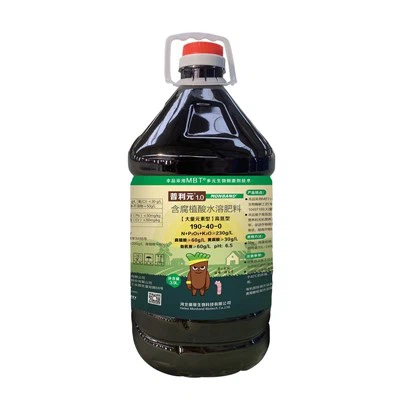
Medium Element Water - soluble Fertilizer is an excellent choice for container gardening. It can be easily dissolved in water and applied directly to the soil or as a foliar spray. This type of fertilizer ensures that the calcium and magnesium are quickly available to the plants. The water - soluble nature also makes it convenient for container gardeners, as they can adjust the concentration according to the needs of the plants.
2. Ammonium Sulphate Water Soluble Fertilizer
Ammonium Sulphate Water Soluble Fertilizer not only provides nitrogen but also contains a certain amount of sulfur, in addition to calcium and magnesium. Nitrogen is essential for leafy growth, and sulfur is involved in many metabolic processes in the plant. This fertilizer can be used to provide a balanced nutrient supply to container plants, promoting both vegetative growth and overall plant health.
3. Soluble Calcium Fertilizer
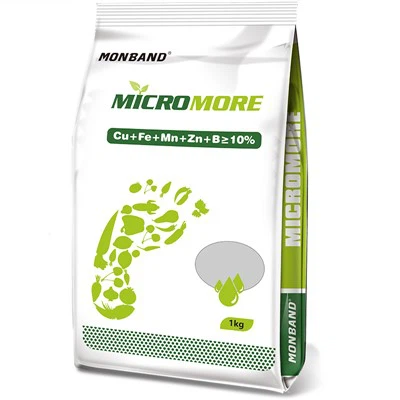
Soluble Calcium Fertilizer is specifically formulated to deliver a high concentration of calcium to the plants. It can be used to correct calcium deficiencies quickly, especially in plants that are prone to calcium - related disorders. In container gardening, where the risk of calcium deficiency is relatively high, this type of fertilizer can be a valuable addition to the gardener's toolkit.
Application Guidelines for Calcium Magnesium Fertilizer in Container Gardening
1. Soil Testing
Before applying any fertilizer, it is recommended to conduct a soil test. This will help you determine the current nutrient levels in the container soil and identify any deficiencies. You can purchase a soil testing kit from a gardening store or send a soil sample to a professional laboratory for analysis. Based on the test results, you can adjust the amount and type of calcium magnesium fertilizer to use.
2. Fertilizer Concentration
When using water - soluble calcium magnesium fertilizers, it is important to follow the recommended concentration on the product label. Over - fertilizing can lead to salt buildup in the container soil, which can damage the plant roots. Start with a lower concentration and gradually increase it if necessary.
3. Application Frequency
The frequency of fertilizer application depends on several factors, such as the type of plants, the size of the containers, and the growth stage of the plants. Generally, container plants may need to be fertilized more frequently than in - ground plants. For most container plants, applying calcium magnesium fertilizer every 2 - 4 weeks during the growing season is a good rule of thumb.
4. Application Method
You can apply calcium magnesium fertilizer either as a soil drench or a foliar spray. A soil drench involves mixing the fertilizer with water and pouring it directly onto the soil around the base of the plant. This method ensures that the nutrients reach the root zone. A foliar spray, on the other hand, involves applying the fertilizer solution directly to the leaves. This can be a quick way to correct nutrient deficiencies, as the leaves can absorb the nutrients more rapidly.
Conclusion
In conclusion, calcium magnesium fertilizer can be highly beneficial in container gardening. It helps to provide essential nutrients, improve soil structure, and enhance plant health and resistance. As a supplier, I am committed to providing high - quality calcium magnesium fertilizers that meet the needs of container gardeners. Whether you are a novice or an experienced gardener, our products can help you achieve better results in your container garden.
If you are interested in purchasing our calcium magnesium fertilizers or have any questions about their application, please feel free to contact us for a procurement discussion. We are more than happy to help you select the right fertilizer for your specific gardening needs.
References
- Marschner, H. (1995). Mineral Nutrition of Higher Plants. Academic Press.
- Epstein, E., & Bloom, A. J. (2005). Mineral Nutrition of Plants: Principles and Perspectives. Sinauer Associates.