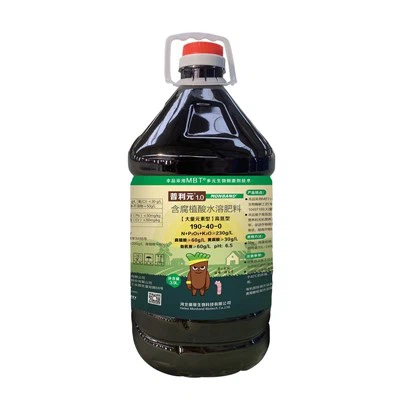
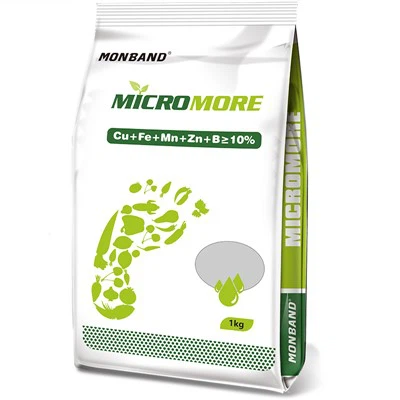
Sulfur is an essential nutrient for plant growth, playing a crucial role in various physiological processes. Water soluble sulphur fertilizer has gained significant attention in modern agriculture due to its high efficiency and easy application. As a supplier of Water Soluble Sulphur Fertilizer, I am often asked about the impact of this fertilizer on the protein content of crops. In this blog, I will delve into the scientific mechanisms behind this relationship and explore how our product can contribute to enhancing crop protein levels.
The Role of Sulphur in Protein Synthesis
Protein is a fundamental component of all living organisms, and in crops, it is essential for growth, development, and overall quality. Sulphur is a key element in the synthesis of proteins as it is a constituent of two amino acids, cysteine and methionine. These amino acids are not only building blocks of proteins but also play vital roles in enzyme activation, antioxidant defense, and the regulation of metabolic pathways.


When plants are deficient in sulphur, the synthesis of cysteine and methionine is impaired, leading to a reduction in protein production. This can result in stunted growth, poor crop quality, and decreased resistance to pests and diseases. By providing an adequate supply of sulphur through water soluble sulphur fertilizer, we can ensure that plants have the necessary resources to synthesize proteins efficiently.
How Water Soluble Sulphur Fertilizer Works
Water soluble sulphur fertilizer is designed to provide sulphur in a form that is readily available to plants. Unlike traditional sulphur fertilizers, which may take time to break down and release sulphur, water soluble sulphur fertilizer can be quickly absorbed by plant roots and transported to the sites of protein synthesis.
The solubility of our Water Soluble Sulphur Fertilizer allows for easy application through various methods, including irrigation systems, foliar spraying, and fertigation. This flexibility ensures that farmers can apply the fertilizer at the right time and in the right amount, maximizing its effectiveness.
Impact on Crop Protein Content
Numerous studies have shown that the application of water soluble sulphur fertilizer can significantly increase the protein content of crops. For example, in wheat, sulphur fertilization has been found to improve the quality and quantity of gluten proteins, which are essential for bread-making quality. In soybeans, sulphur application has been shown to increase the protein content of seeds, making them more valuable in the market.
The increase in protein content can be attributed to several factors. Firstly, as mentioned earlier, sulphur is directly involved in protein synthesis. By providing an adequate supply of sulphur, we can enhance the production of cysteine and methionine, which in turn leads to an increase in protein production. Secondly, sulphur fertilization can improve the efficiency of nitrogen utilization in plants. Nitrogen is another essential nutrient for protein synthesis, and when sulphur is available, plants can use nitrogen more effectively, resulting in higher protein levels.
Other Benefits of Water Soluble Sulphur Fertilizer
In addition to increasing crop protein content, water soluble sulphur fertilizer offers several other benefits. It can improve soil fertility by reducing soil acidity and enhancing the availability of other nutrients such as phosphorus and potassium. It can also enhance the resistance of crops to environmental stresses such as drought, heat, and salinity.
Moreover, our Water Soluble Sulphur Fertilizer is formulated to be environmentally friendly. It is free from harmful heavy metals and other contaminants, ensuring that it does not pose a risk to the environment or human health.
Complementary Fertilizers
To further enhance the protein content of crops, it is often beneficial to combine water soluble sulphur fertilizer with other fertilizers. For example, Water Soluble Calcium Fertilizer can be used in conjunction with water soluble sulphur fertilizer to improve cell wall strength and enhance the uptake of other nutrients. Ammonium Sulphate Water Soluble Fertilizer is another excellent option as it provides both nitrogen and sulphur, which are essential for protein synthesis.
Conclusion
In conclusion, water soluble sulphur fertilizer plays a crucial role in enhancing the protein content of crops. By providing an adequate supply of sulphur, we can ensure that plants have the necessary resources to synthesize proteins efficiently, leading to improved crop quality and yield. As a supplier of Water Soluble Sulphur Fertilizer, we are committed to providing high-quality products that meet the needs of farmers.
If you are interested in learning more about our water soluble sulphur fertilizer or would like to discuss your specific fertilization needs, please feel free to contact us. We would be happy to provide you with more information and assist you in making the right choice for your crops.
References
- Hawkesford, M. J., De Kok, L. J., & Stulen, I. (2012). Sulphur nutrition and assimilation in higher plants. John Wiley & Sons.
- Schnug, E., & Haneklaus, S. (2015). Sulphur in agriculture - importance, deficiency, and fertilization. In Sulphur in soils and plants (pp. 1-18). Springer, Cham.
- Zhao, F. J., McGrath, S. P., & Hawkesford, M. J. (1999). Sulphur assimilation and effects on yield and quality of wheat. Journal of Cereal Science, 30(1), 1-17.