


Medium Element Water-soluble Fertilizer
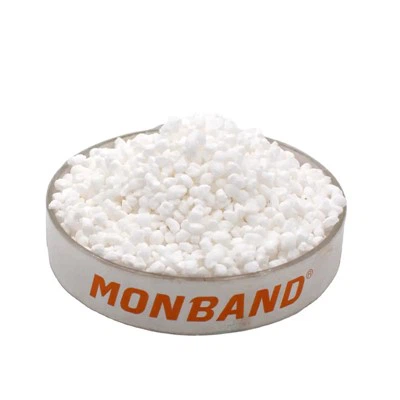
Medium element water-soluble fertilizer is an important functional and supplementary fertilizer in modern agriculture. By providing essential calcium, magnesium and sulfur, it effectively prevents and corrects deficiencies, and significantly improves the growth potential, resistance, yield and especially the quality of crops, such as appearance, taste, storage resistance, nutritional value, and so on. Its good water solubility, fast absorption and flexible use make it play an irreplaceable role in modern precision agriculture, facility agriculture and high value-added crop production. When using it, it is necessary to pay attention to the antagonism between elements and reasonable proportion.
Product Features & Applications
The main components and functions of water-soluble fertilizers with medium elements:
1. Calcium:
Functions: Key component of cell wall and cell membrane, enhances cell wall strength and stability. Promotes root development and new root growth. Involved in enzyme activation and signaling. Critical for fruit hardness, storage and transportation resistance, and quality. Prevents physiological diseases caused by calcium deficiency (e.g. tomato umbilical rot, apple bitter pox, cabbage dry heartburn, etc.).
Common forms: calcium nitrate, calcium ammonium nitrate, calcium chelate, calcium glycolate, etc.

2. Magnesium:
Role: A central component of the chlorophyll molecule, directly involved in photosynthesis. It is an activator of many enzymes and participates in protein synthesis, energy metabolism (phosphate group transfer) and other processes. It is very critical for keeping leaves intensely green, improving photosynthetic efficiency, and promoting carbohydrate accumulation and transport.
Common forms: magnesium sulfate, magnesium nitrate, magnesium chelate, etc.

3. Sulfur:
Role: Important element in the composition of proteins (sulfur-containing amino acids such as methionine and cystine) and a variety of enzymes and vitamins (e.g., biotin, thiamin). Involved in chlorophyll synthesis and nitrogen fixation. It is important for improving crop quality (especially the oil content and protein content of oilseed crops) and enhancing stress resistance. It also regulates soil pH (sulfate ions).
Common forms: Potassium sulphate, ammonium sulphate, magnesium sulphate, etc. (sulphur is often supplied as a companion ion to these fertilizers). Specialized sulfur-containing water-soluble fertilizer products are also available.

Why do you need a mid-element water soluble fertilizer?
1. High crop requirements: Although not as much as nitrogen, phosphorus and potassium, calcium, magnesium and sulphur are essential for healthy crop growth and are required in much higher quantities than micronutrients. The requirements for calcium, magnesium and sulphur in many crops are even close to those for phosphorus.
2. Inadequate soil supply:
Calcium: Tend to be deficient or absorption blocked in acidic soils, sandy soils, soils low in organic matter, and soils high in potassium and ammonium.
Magnesium: Tend to be deficient in acidic sandy soils, soils with strong leaching, and soils high in potassium or calcium.
Sulphur: Soil sulphur deficiency is becoming increasingly prevalent with the reduction in emissions of sulphur-containing air pollutants (environmental effectiveness) and the extensive use of highly concentrated sulphur-free fertilizers (e.g. urea, diammonium phosphate).

3. Limited supplementation with conventional fertilizers: Conventional compound fertilizers or monomaterial fertilizers (e.g., calcium superphosphate with calcium sulfate but in reduced amounts) often fail to meet the growing crop demand for meso-elements, especially under intensive, high-yield cultivation patterns.
4. Precise and Efficient Supplementation: The water soluble fertilizer form can realize fast and precise supplementation of the crop's lack of medium and large amount of elements, especially suitable for drip irrigation and other high-efficiency irrigation systems, which can quickly alleviate the symptoms of deficiency.

Our Factory
In 1995, the enterprise to plant protection technology services as the cornerstone, opened the road of agricultural technology exploration. 2009 May 31, Hebei Monband water-soluble fertilizer Co., Ltd. was formally established, marking the leap from technical services to entity manufacturing. 2017 September 29, the company completed the shareholding system reform, to accelerate the globalization of the layout of a more standardized governance structure. 2020 August 25, wholly owned subsidiary Ltd. was established, which further strengthened the company's R&D strength in the field of biotechnology and formed a double-wheel-drive strategy of "Specialty Fertilizers+ Biotechnology".


Our Certificate
Five products have been certified by EU REACH
Member of International Fertilizer Industry Association (lFA)

Frequently Asked Questions (FAQ)
Q: Why do I need to supplement with additional neutral elements (calcium, magnesium, sulfur)? Aren't they naturally present in the soil?
A: Crops' demand for calcium, magnesium and sulfur is much higher than that of trace elements and close to that of phosphorus. Modern high-yield agriculture consumes a lot, and traditional compound fertilizers (such as urea and diammonium phosphate) lack sulfur.
Q: Is it better to use drip irrigation or foliar spraying for water-soluble fertilizers of medium elements?
A: Drip/flush: suitable for long term supplementation, nutrients go straight to the root system, high efficiency (preferred).
Foliar spraying: suitable for emergency supplemental fertilizer (such as the emergence of deficiency disease), but need to pay attention to, calcium mobility is poor, spraying is only effective for new leaves, the concentration needs to be strictly controlled to avoid burning leaves!
Q: What should I pay attention to when I buy water-soluble fertilizer?
A: Look at the purity: choose products with high purity and low impurity (e.g. industrial grade calcium nitrate > agricultural grade);
Look at the solubility: take the sample and dissolve it in water, observe whether it is completely dissolved and without residue;
Look at the formula: choose a single-quality type (e.g., calcium only) or a compound type (calcium and magnesium in the same supplement) according to the needs of the crop;
Look for certifications: choose regular products with ISO or Ministry of Agriculture registration certificates.
Hot Tags: medium element water-soluble fertilizer, China medium element water-soluble fertilizer manufacturers, suppliers, factory, calcium magnesium supplement for plants, liquid soluble fertilizer, natural water soluble fertilizer, 10 30 20 water soluble fertilizer, 17 5 24 water soluble fertilizer, calcium magnesium plant food
You Might Also Like



Send Inquiry