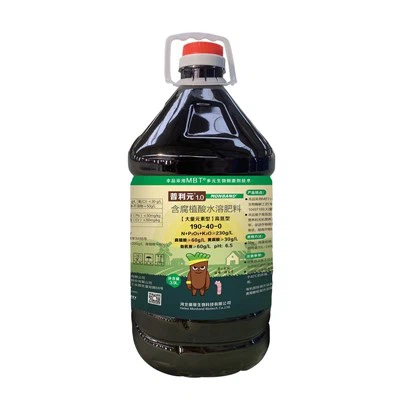
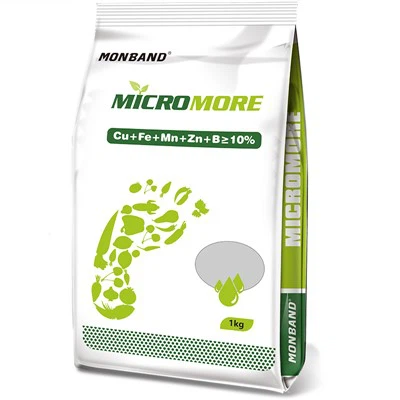
Hey there! As a supplier of Water Soluble Zinc Fertilizer, I often get asked if our product can be used for potato cultivation. Well, let's dig into this topic and find out!
The Importance of Zinc for Potatoes
First off, let's talk about why zinc is so crucial for potatoes. Zinc is one of those micronutrients that play a vital role in a plant's growth and development. It's involved in various enzymatic reactions within the potato plant, which are essential for processes like photosynthesis, protein synthesis, and hormone regulation.
When a potato plant has enough zinc, it tends to have better overall health. The leaves are greener and more robust, which means they can capture sunlight more efficiently for photosynthesis. This, in turn, leads to better energy production for the plant, resulting in improved tuber formation and growth. Zinc also helps in strengthening the potato plant's immune system, making it more resistant to diseases and pests.
The Benefits of Using Water Soluble Zinc Fertilizer
Now, let's discuss why water-soluble zinc fertilizer is a great option for potato cultivation. The key advantage of a water-soluble fertilizer is its easy application. You can simply dissolve it in water and then apply it through irrigation systems, foliar sprays, or fertigation. This not only saves time and labor but also ensures that the zinc is evenly distributed throughout the soil or on the plant leaves.
Another benefit is the quick availability of zinc to the potato plants. Since the fertilizer is water-soluble, the zinc gets readily absorbed by the plant roots or leaves. This rapid uptake means that the plants can start using the zinc for their growth and development right away, which is especially important during critical growth stages like tuber initiation and expansion.
Moreover, water-soluble zinc fertilizers are highly customizable. You can adjust the concentration of the fertilizer solution according to the specific needs of your potato crops. This flexibility allows you to optimize the zinc supply and avoid over - or under - fertilization.
Soil Conditions and Zinc Availability
Before using water - soluble zinc fertilizer, it's important to understand the soil conditions of your potato fields. Zinc availability in the soil can be affected by several factors, such as soil pH, organic matter content, and the presence of other elements.
In alkaline soils (pH > 7), zinc tends to be less available to plants. The high pH causes zinc to form insoluble compounds, which are difficult for the potato roots to absorb. In this case, using a water - soluble zinc fertilizer can be a great solution as it provides the plants with readily available zinc.


On the other hand, soils with a high organic matter content can sometimes bind with zinc, reducing its availability. However, water - soluble zinc fertilizers can still be effective in such soils as they can bypass the complex binding mechanisms and deliver the zinc directly to the plants.
Application Methods
There are two main ways to apply water - soluble zinc fertilizer for potato cultivation: soil application and foliar application.
Soil Application: This method involves dissolving the water - soluble zinc fertilizer in water and then applying it to the soil either through drip irrigation or flood irrigation. Soil application is a great way to ensure that the roots have a continuous supply of zinc throughout the growing season. It's recommended to apply the fertilizer during the early stages of potato growth, such as at planting or during the vegetative growth phase.
Foliar Application: Foliar spraying is another effective way to supply zinc to potato plants. By spraying a water - soluble zinc fertilizer solution directly on the leaves, the plant can absorb the zinc quickly through the stomata. Foliar application is particularly useful when the soil conditions are unfavorable for zinc uptake or when the plant shows signs of zinc deficiency. It's best to perform foliar spraying during the early morning or late evening to avoid excessive evaporation and to allow the leaves to absorb the fertilizer more effectively.
Compatibility with Other Fertilizers
Potato cultivation often requires a balanced supply of multiple nutrients. Water - soluble zinc fertilizers are generally compatible with other Micronutrients Water Soluble Fertilizers and macronutrients. However, it's important to check the compatibility of the fertilizers before mixing them. Some fertilizers may react with each other, forming insoluble compounds and reducing the availability of nutrients.
For example, if you're using a water - soluble zinc fertilizer along with a phosphorus - based fertilizer, you need to be careful. High levels of phosphorus can sometimes reduce the availability of zinc in the soil. To avoid this, you can either apply the fertilizers separately or use a pre - mixed fertilizer that has been formulated to ensure the proper balance of nutrients.
Zinc Deficiency Symptoms in Potatoes
It's essential to recognize the symptoms of zinc deficiency in potato plants so that you can take timely action. Some common symptoms include:
- Yellowing of leaves: The older leaves may start to turn yellow, especially between the veins. This is known as interveinal chlorosis.
- Stunted growth: The potato plants may not grow as tall or as vigorously as they should. The stems may be thin and weak.
- Smaller tubers: Zinc deficiency can also affect tuber development, resulting in smaller and misshapen potatoes.
If you notice any of these symptoms in your potato fields, it could be a sign of zinc deficiency, and using a water - soluble zinc fertilizer may help to correct the problem.
Case Studies
Let's take a look at some real - world examples of how water - soluble zinc fertilizer has been used in potato cultivation.
In a farm in Idaho, the farmers were facing issues with poor tuber quality and low yields. After conducting soil tests, they found that the soil was low in zinc. They decided to use our water - soluble zinc fertilizer through drip irrigation. The results were remarkable. The potato plants showed improved health, with greener leaves and stronger stems. The tuber size and quality also improved significantly, leading to a higher marketable yield.
Another case was in a small - scale potato farm in Maine. The farmers were using foliar application of water - soluble zinc fertilizer. They noticed that the plants were more resistant to diseases like early blight and had a better overall appearance. The potatoes harvested from these plants were also more uniform in size and had a better texture.
Conclusion
So, can water - soluble zinc fertilizer be used for potato cultivation? Absolutely! It offers numerous benefits, including easy application, quick availability of zinc, and the ability to customize the nutrient supply. Whether you're dealing with zinc - deficient soils or simply want to optimize the growth and quality of your potato crops, water - soluble zinc fertilizer is a great option.
If you're interested in learning more about our Water Soluble Zinc Fertilizer or want to discuss your specific potato cultivation needs, don't hesitate to reach out. We're here to help you achieve the best possible results in your potato fields. We also offer Water Soluble Iron Fertilizer and other micronutrient fertilizers that can complement the growth of your potato crops. Contact us today to start a conversation about your fertilizer requirements and explore how our products can add value to your agricultural operations.
References
- Marschner, H. (1995). Mineral Nutrition of Higher Plants. Academic Press.
- Alloway, B. J. (2008). Zinc in Soils and Crop Nutrition. International Zinc Association.
- Fageria, N. K., Baligar, V. C., & Jones, C. A. (2002). Plant Nutrition for Sustainable Food Production and Environment. Kluwer Academic Publishers.