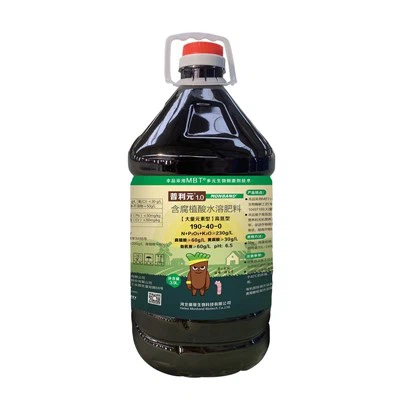
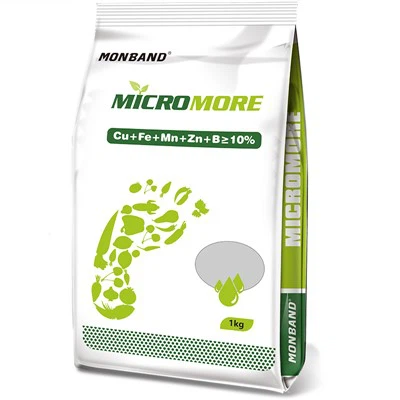
Hey there! As a supplier of micronutrient fertilizers, I often get asked about the side - effects of using these products. So, let's dive right in and explore this topic.
First off, let's understand what micronutrient fertilizers are. Micronutrients are essential elements that plants need in small quantities for proper growth and development. These include iron, zinc, manganese, copper, boron, molybdenum, and chlorine. Our company offers a wide range of Micronutrients Water Soluble Fertilizers that can effectively provide these vital elements to plants.
Potential Benefits of Micronutrient Fertilizers
Before we talk about side - effects, it's important to highlight the numerous benefits. Using micronutrient fertilizers can significantly enhance plant health. For instance, Water Soluble Iron Fertilizer plays a crucial role in photosynthesis. Iron is a key component in the formation of chlorophyll, which is responsible for the green color in plants and the process of converting light energy into chemical energy. When plants have enough iron, they can produce more energy, leading to better growth, increased yield, and improved quality of fruits and vegetables.
Water Soluble Zinc Fertilizer is also super important. Zinc is involved in many enzyme systems in plants. It helps with the synthesis of growth hormones, which are essential for cell division and elongation. This means that plants treated with zinc fertilizers tend to have stronger stems, more vigorous growth, and are better able to withstand environmental stresses like drought and disease.
Possible Side - Effects
However, like anything in life, there can be some potential side - effects when using micronutrient fertilizers.
Over - Application
One of the most common issues is over - application. When too much of a micronutrient is added to the soil, it can lead to toxicity. For example, if you use excessive amounts of iron fertilizer, it can cause an imbalance in the soil's nutrient profile. High levels of iron can react with other elements in the soil, such as phosphorus, and form insoluble compounds. This reduces the availability of phosphorus to plants, which is essential for root development, energy transfer, and flower and fruit production.
Similarly, an overdose of zinc can also be harmful. Zinc toxicity can interfere with the uptake of other micronutrients like iron and manganese. Plants suffering from zinc toxicity may show symptoms such as yellowing of leaves (chlorosis), stunted growth, and reduced yield.
Soil pH Changes
Micronutrient fertilizers can also affect the soil's pH. Some micronutrient fertilizers are acidic or alkaline in nature. When they are added to the soil, they can change the soil's pH over time. For example, certain forms of iron fertilizers can make the soil more acidic. If the soil pH becomes too low or too high, it can affect the solubility and availability of other nutrients in the soil. This can lead to nutrient deficiencies in plants, even if the soil has an adequate supply of those nutrients.
Environmental Impact
Another aspect to consider is the environmental impact. If micronutrient fertilizers are not applied properly, they can leach into groundwater or surface water. This can contaminate water sources and harm aquatic ecosystems. For example, excessive amounts of iron and zinc in water can cause problems for fish and other aquatic organisms. High levels of these elements can disrupt their metabolic processes and lead to reduced survival rates.
How to Minimize Side - Effects
The good news is that these side - effects can be minimized with proper application and management.
Soil Testing
Before applying any micronutrient fertilizer, it's essential to conduct a soil test. A soil test can provide valuable information about the existing nutrient levels in the soil, the soil's pH, and the specific needs of your plants. Based on the soil test results, you can determine the appropriate type and amount of micronutrient fertilizer to use. This helps ensure that you are not over - applying or under - applying the fertilizer.
Follow Application Guidelines
It's also crucial to follow the application guidelines provided by the fertilizer manufacturer. These guidelines are based on extensive research and testing and are designed to ensure the safe and effective use of the fertilizer. They will tell you the correct dosage, the best time to apply the fertilizer, and the proper application method.


Use Balanced Fertilizers
Using balanced micronutrient fertilizers can also help prevent nutrient imbalances. These fertilizers contain a combination of different micronutrients in the right proportions. This helps ensure that plants receive all the essential micronutrients they need without causing an over - abundance of any one element.
Conclusion
In conclusion, while there can be some side - effects associated with using micronutrient fertilizers, they can be effectively managed. When used correctly, micronutrient fertilizers can provide significant benefits to plant growth and yield. At our company, we are committed to providing high - quality micronutrient fertilizers and offering expert advice on their proper use.
If you're interested in learning more about our micronutrient fertilizers or would like to discuss your specific needs, feel free to reach out to us. We're here to help you make the most of these products and achieve the best results for your crops.
References
- Marschner, H. (1995). Mineral Nutrition of Higher Plants. Academic Press.
- Brady, N. C., & Weil, R. R. (2002). The Nature and Properties of Soils. Prentice Hall.