As an NPK fertilizer supplier, I often receive inquiries from various customers about the application of our products. One question that comes up quite frequently is whether NPK fertilizer can be used on mosses. In this blog post, I'll explore this topic in detail, drawing on scientific knowledge and industry experience.
Understanding Mosses and Their Nutritional Requirements
Mosses are unique plants that belong to the Bryophyta division. Unlike vascular plants, they lack true roots, stems, and leaves. Instead, they have rhizoids, which are hair - like structures that anchor them to the substrate and absorb water and nutrients. Mosses typically grow in moist, shady environments and play important ecological roles, such as preventing soil erosion and providing habitat for small organisms.
Mosses obtain most of their nutrients directly from the air and water around them. They are well - adapted to low - nutrient environments and have evolved to thrive in conditions where other plants might struggle. Their nutritional requirements are relatively simple compared to many other plants. The three primary nutrients that all plants need are nitrogen (N), phosphorus (P), and potassium (K), which are the main components of NPK fertilizers. However, the way mosses take up and utilize these nutrients is different from that of higher plants.
The Role of NPK in Plant Growth
Nitrogen is essential for the synthesis of proteins, nucleic acids, and chlorophyll. It promotes vegetative growth, giving plants a lush, green color. Phosphorus is involved in energy transfer processes within the plant, such as photosynthesis and respiration. It also plays a crucial role in root development, flowering, and fruiting. Potassium helps regulate water uptake and movement within the plant, enhances disease resistance, and improves overall plant vigor.
For most traditional crops and ornamental plants, NPK fertilizers are commonly used to supplement the soil's nutrient content and ensure optimal growth. However, mosses have a different relationship with these nutrients.
Can NPK Fertilizer Be Used on Mosses?
The answer is not a straightforward yes or no. In some cases, a very diluted application of NPK fertilizer might be beneficial to mosses, but in other situations, it can be harmful.
Benefits of Using Diluted NPK Fertilizer
- Enhanced Growth: In environments where the natural nutrient supply is extremely low, a small amount of NPK fertilizer can potentially stimulate moss growth. For example, if moss is growing on a rooftop or a concrete surface with limited nutrient availability, a very weak solution of NPK fertilizer might provide the extra nutrients needed for the moss to develop more vigorously.
- Improved Color and Vigor: A proper balance of nitrogen, phosphorus, and potassium can enhance the color and overall health of the moss. Nitrogen can make the moss appear greener, while phosphorus and potassium can contribute to better cell structure and resistance to environmental stress.
Risks of Using NPK Fertilizer on Mosses
- Over - fertilization: Mosses are sensitive to high levels of nutrients. Excessive application of NPK fertilizer can lead to an imbalance in the moss's internal nutrient levels, causing damage to the plant. This can result in browning, yellowing, or even death of the moss.
- Altered pH and Microbial Environment: NPK fertilizers can change the pH of the substrate on which the moss is growing. Mosses often prefer acidic environments, and a significant change in pH can be detrimental to their survival. Additionally, the addition of fertilizers can disrupt the natural microbial community associated with the moss, which may have negative impacts on its health.
How to Apply NPK Fertilizer to Mosses Safely
If you decide to use NPK fertilizer on mosses, it's crucial to follow these guidelines:


- Dilute the Fertilizer: Use a very weak solution, typically at a much lower concentration than what is recommended for traditional plants. A good starting point is to dilute the fertilizer to 1/10 or even 1/20 of the normal strength.
- Test on a Small Area First: Before applying the fertilizer to a large area of moss, test it on a small, inconspicuous patch. Observe the moss's response over a few days to a week. If there are no signs of damage, you can proceed with a wider application.
- Apply at the Right Time: The best time to apply fertilizer to mosses is during their active growth period, which is usually in the spring or fall. Avoid applying fertilizer during hot, dry weather, as this can increase the risk of damage.
Our NPK Fertilizer Products
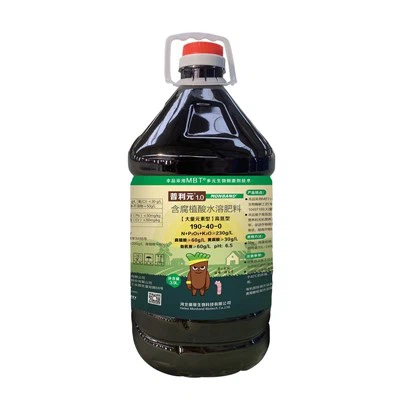
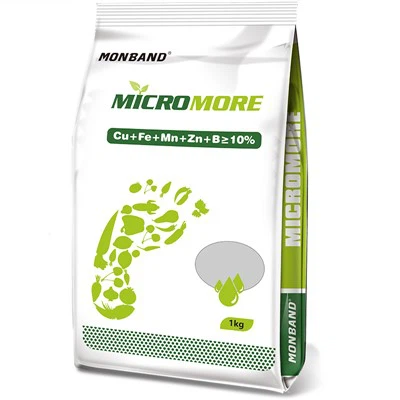
As an NPK fertilizer supplier, we offer a range of high - quality products that can be carefully adapted for moss applications when used correctly. Our Macro Element Water - soluble Fertilizer provides a balanced blend of nitrogen, phosphorus, and potassium in a water - soluble form, making it easy to dilute and apply. Our Water Soluble Phosphate Fertilizer can be used to specifically target phosphorus needs, while our Water Soluble Nitrogen Rich Fertilizer can be used to boost nitrogen levels when necessary.
Conclusion
In conclusion, while it is possible to use NPK fertilizer on mosses, it should be done with great caution. Mosses have unique nutritional requirements and are sensitive to high nutrient levels. By diluting the fertilizer, testing on a small area, and applying it at the right time, you can potentially enhance the growth and health of mosses without causing harm.
If you are interested in our NPK fertilizer products for moss applications or have any questions about their use, please feel free to reach out to us. We are here to provide you with professional advice and high - quality fertilizers to meet your specific needs.
References
- Bates, J. W., & Farmer, A. M. (1992). Bryophyte Ecology. Cambridge University Press.
- Glime, J. M. (2017). Bryophyte Ecology. E-book available from the Michigan Technological University.
- Raven, P. H., Evert, R. F., & Eichhorn, S. E. (2005). Biology of Plants. W. H. Freeman and Company.