Iron is an essential micronutrient for plants, playing a crucial role in various physiological and biochemical processes. Water soluble iron fertilizer has emerged as a significant tool in modern agriculture, and its influence on plant metabolism is profound and multifaceted. As a supplier of water soluble iron fertilizer, I have witnessed firsthand the transformative impact it can have on plant health and productivity.
Role of Iron in Plant Metabolism
Iron is involved in several key metabolic pathways within plants. One of the most well - known functions is its role in photosynthesis. Iron is a component of many enzymes and proteins involved in the electron transport chain of photosystem I and II. For example, ferredoxin, an iron - sulfur protein, is essential for the transfer of electrons during the light - dependent reactions of photosynthesis. Without sufficient iron, the efficiency of photosynthesis is severely impaired, leading to reduced chlorophyll synthesis and yellowing of leaves, a condition known as chlorosis.
In addition to photosynthesis, iron is also crucial for respiration. Cytochromes, which are iron - containing proteins, are involved in the electron transport chain of mitochondrial respiration. They facilitate the transfer of electrons, ultimately leading to the production of ATP, the energy currency of the cell. Adequate iron levels ensure that plants can generate sufficient energy for growth, development, and other metabolic processes.
Iron is also involved in nitrogen fixation in leguminous plants. Nitrogenase, the enzyme responsible for converting atmospheric nitrogen into ammonia, contains iron - sulfur clusters. Without iron, the nitrogen - fixing ability of rhizobia bacteria in the root nodules of legumes is compromised, which can limit plant growth and productivity, especially in nitrogen - poor soils.

Influence of Water Soluble Iron Fertilizer on Plant Metabolism
Enhanced Nutrient Uptake
Water soluble iron fertilizer can significantly improve the uptake of other nutrients by plants. Iron is known to interact with other micronutrients such as zinc and manganese. When plants are supplied with water soluble iron fertilizer, it can enhance the availability and uptake of these other micronutrients. For instance, iron can help in the activation of enzymes that are involved in the uptake and transport of zinc. This interaction is important because zinc is also essential for many plant metabolic processes, including enzyme activation, protein synthesis, and hormone regulation. You can learn more about Water Soluble Zinc Fertilizer to understand its role in combination with iron.
Moreover, water soluble iron fertilizer can improve the uptake of macronutrients such as phosphorus. Iron can form complexes with phosphorus in the soil, making it more available for plant uptake. This is particularly important in alkaline soils, where phosphorus can become insoluble and less available to plants. By supplying water soluble iron, we can help plants overcome these nutrient - availability limitations.
Stimulation of Enzyme Activity
Iron is a co - factor for many enzymes in plants. When water soluble iron fertilizer is applied, it can increase the activity of these enzymes. For example, peroxidase, an iron - containing enzyme, is involved in the detoxification of reactive oxygen species (ROS) in plants. ROS are produced during normal metabolic processes and can cause damage to cells if not properly regulated. Adequate iron levels ensure that peroxidase activity is maintained, protecting plants from oxidative stress.
Another important enzyme is nitrate reductase, which is involved in the conversion of nitrate to nitrite during nitrogen assimilation. Iron is required for the proper functioning of this enzyme. By providing water soluble iron, we can enhance nitrate reductase activity, leading to more efficient nitrogen assimilation and better plant growth.
Improved Chlorophyll Synthesis
As mentioned earlier, iron is essential for chlorophyll synthesis. Water soluble iron fertilizer can quickly correct iron deficiency in plants, leading to an increase in chlorophyll content. Chlorophyll is responsible for capturing light energy during photosynthesis. When plants have sufficient iron, they can produce more chlorophyll, which results in darker green leaves and increased photosynthetic efficiency. This, in turn, leads to higher biomass production, better fruit quality, and increased yield.
Enhanced Stress Tolerance
Plants face various environmental stresses such as drought, salinity, and heavy metal toxicity. Water soluble iron fertilizer can help plants tolerate these stresses. Under drought conditions, iron - containing enzymes such as superoxide dismutase (SOD) play a crucial role in protecting plants from oxidative damage. SOD converts superoxide radicals into hydrogen peroxide, which can then be further detoxified by other enzymes. By ensuring adequate iron supply, we can enhance the activity of SOD and other antioxidant enzymes, improving the plant's ability to withstand drought stress.
In saline soils, iron can help in maintaining the ionic balance within the plant cells. It can also interact with other nutrients to reduce the toxic effects of sodium and chloride ions. Similarly, in soils contaminated with heavy metals, iron can compete with heavy metals for binding sites on plant roots, reducing their uptake and toxicity to plants.
Application of Water Soluble Iron Fertilizer
The application of water soluble iron fertilizer can be done through various methods, including foliar spraying and soil drenching. Foliar spraying is a quick and effective way to correct iron deficiency in plants. The water soluble iron fertilizer is dissolved in water and sprayed directly onto the leaves. The iron can be rapidly absorbed by the leaves and transported to the rest of the plant. This method is particularly useful when plants show immediate symptoms of iron deficiency, such as chlorosis.
Soil drenching, on the other hand, is a more long - term approach. The water soluble iron fertilizer is applied to the soil around the plant roots. It can gradually release iron into the soil solution, making it available for plant uptake over an extended period. This method is suitable for preventing iron deficiency in plants and ensuring continuous iron supply for normal growth and development.
Combining with Other Water Soluble Fertilizers
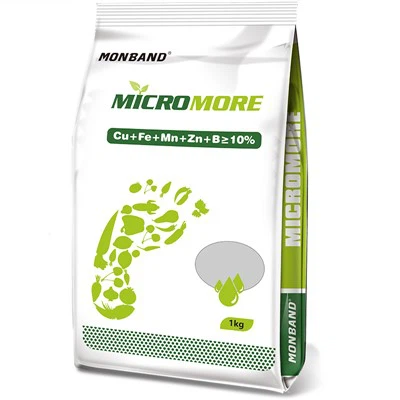
Water soluble iron fertilizer can be combined with other water soluble fertilizers to provide a comprehensive nutrient solution for plants. Water Soluble Fertilizer with Micronutrients and Water Soluble Micronutrient Fertilizer can be used in combination with water soluble iron fertilizer to ensure that plants receive all the essential nutrients they need. These combined fertilizers can be tailored to the specific needs of different crops and soil conditions, providing a balanced and efficient nutrient supply.
Conclusion
The influence of water soluble iron fertilizer on plant metabolism is far - reaching. It can enhance nutrient uptake, stimulate enzyme activity, improve chlorophyll synthesis, and increase stress tolerance. As a supplier of water soluble iron fertilizer, I am committed to providing high - quality products that can help farmers and gardeners achieve better plant health and higher yields.
If you are interested in learning more about our water soluble iron fertilizer or would like to discuss a potential purchase, please feel free to contact us. We are ready to provide you with professional advice and support to meet your specific needs.
References
- Marschner, H. (1995). Mineral Nutrition of Higher Plants. Academic Press.
- Mengel, K., & Kirkby, E. A. (2001). Principles of Plant Nutrition. Kluwer Academic Publishers.
- Epstein, E., & Bloom, A. J. (2005). Mineral Nutrition of Plants: Principles and Perspectives. Sinauer Associates.