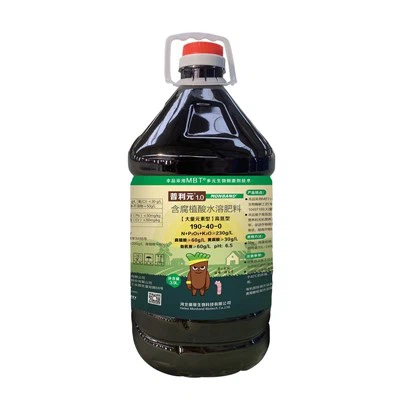
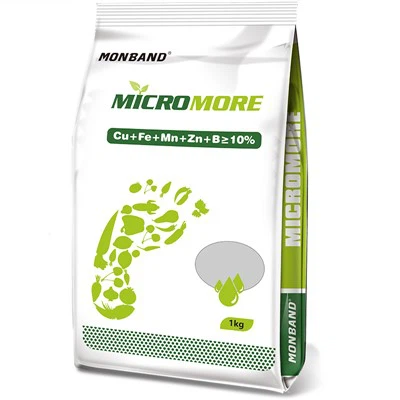
Hey there, fellow gardening and farming enthusiasts! I'm a supplier of Humic Acid Liquid Fertilizer, and today I'm super stoked to chat about how this amazing product impacts the synthesis of plant hormones. It's like unlocking a secret code to healthier, more productive plants, and I can't wait to share all the deets with you.
First off, let's quickly go over what plant hormones are. They're like the chemical messengers in plants, controlling everything from growth and development to how they respond to stress. There are several types, including auxins, cytokinins, gibberellins, abscisic acid, and ethylene. Each one plays a crucial role in different plant processes, and getting the balance right is key for optimal plant health.
So, where does Humic Acid Liquid Fertilizer fit into all this? Well, humic acid is a natural organic compound found in soil, peat, and other organic materials. When we turn it into a liquid fertilizer, it becomes a powerful tool for enhancing plant growth and hormone synthesis.
Let's start with auxins. These hormones are responsible for cell elongation, root development, and apical dominance (the tendency for the main stem to grow more strongly than side branches). Humic acid in the liquid fertilizer can stimulate the production of auxins in plants. How? It contains various bioactive substances that interact with plant cells. For example, it can increase the availability of nutrients like nitrogen and phosphorus, which are essential for the synthesis of auxins. When plants have an adequate supply of these nutrients, they can produce more auxins, leading to better root growth. Stronger roots mean the plant can take up more water and nutrients from the soil, giving it a solid foundation for overall growth. You can learn more about the benefits of Fertilizer with Humic Acid on our website.
Cytokinins are another important group of plant hormones. They're involved in cell division, shoot growth, and delaying senescence (the aging process in plants). Humic acid liquid fertilizer can also have a positive impact on cytokinin synthesis. It can improve the soil structure, creating a more favorable environment for beneficial soil microorganisms. Some of these microorganisms can produce cytokinins or stimulate the plant's own production of them. Additionally, humic acid can enhance the plant's ability to absorb and utilize nutrients, which in turn supports cytokinin synthesis. With more cytokinins, plants can produce more shoots and leaves, making them bushier and more productive.
Gibberellins are hormones that promote stem elongation, seed germination, and flowering. Humic acid can influence the synthesis of gibberellins in a few ways. It can increase the activity of enzymes involved in gibberellin biosynthesis. Also, by improving the overall health of the plant and the availability of nutrients, it provides the necessary building blocks for gibberellin production. This means taller plants, earlier germination, and more abundant flowering, which is great news for both gardeners and farmers.
Abscisic acid is known as the stress hormone in plants. It helps plants respond to environmental stresses such as drought, salinity, and cold. Humic acid liquid fertilizer can help regulate the synthesis of abscisic acid. When plants are under stress, the fertilizer can enhance the plant's ability to produce abscisic acid in a timely manner. This allows the plant to close its stomata (tiny pores on the leaves) to reduce water loss during drought or to adjust its metabolism to tolerate high salinity. By maintaining a proper balance of abscisic acid, plants can better withstand adverse conditions and stay healthy.
Ethylene is involved in fruit ripening, leaf abscission (the shedding of leaves), and responding to stress. Humic acid can have a moderating effect on ethylene production. In some cases, it can prevent excessive ethylene production, which can lead to premature leaf drop or fruit spoilage. By keeping ethylene levels in check, the fertilizer helps ensure that plants go through the normal growth and development processes at the right time.


Now, you might be wondering how to use Humic Acid Liquid Fertilizer to get the best results. It's actually quite simple. You can apply it as a foliar spray or through irrigation. When used as a foliar spray, the fertilizer is absorbed directly through the leaves, providing a quick boost to the plant. When applied through irrigation, it reaches the roots and gradually releases its beneficial effects over time. The frequency of application depends on the type of plant, the growth stage, and the soil conditions. But generally, a regular application every few weeks during the growing season can work wonders.
As a supplier of Humic Acid Liquid Fertilizer, I've seen firsthand the amazing results it can bring. Whether you're growing a small vegetable garden in your backyard or managing a large agricultural farm, this fertilizer can make a significant difference in the health and productivity of your plants. It's an eco - friendly alternative to some synthetic fertilizers, as it's derived from natural sources and helps improve the soil quality in the long run.
We also offer Humic Acid Organic Fertilizer, which combines the benefits of humic acid with other organic materials. This can be a great option for those who prefer a more holistic approach to plant nutrition.
If you're interested in learning more about our products or want to start using Humic Acid Liquid Fertilizer in your garden or farm, don't hesitate to reach out. We're here to answer all your questions and help you make the most of this incredible fertilizer. Whether you're a newbie gardener or an experienced farmer, we're confident that our products can meet your needs and take your plant growth to the next level. So, let's get in touch and start growing healthier, more productive plants together!
References
- Smith, J. (2020). The Role of Humic Substances in Plant Growth and Development. Journal of Plant Nutrition.
- Brown, A. (2019). Effects of Humic Acid on Plant Hormone Synthesis. Agricultural Science Review.
- Green, M. (2018). Organic Fertilizers and Their Impact on Plant Physiology. Soil and Crop Science Journal.