Are there any organic soluble fertilizers for zinc - deficient soils?
Zinc is an essential micronutrient for plant growth and development. It plays a crucial role in various physiological processes, including enzyme activation, protein synthesis, and auxin metabolism. However, many soils around the world are zinc - deficient, which can lead to significant reductions in crop yields and quality. In this blog, as an organic soluble fertilizer supplier, I will explore the availability and effectiveness of organic soluble fertilizers for zinc - deficient soils.
The Significance of Zinc in Soils and Plants
Zinc is involved in over 300 enzymatic reactions in plants. It helps in the formation of chlorophyll, which is vital for photosynthesis. A lack of zinc can result in stunted growth, yellowing of leaves (chlorosis), and poor fruit set. In agricultural systems, zinc deficiency often becomes a limiting factor for crop production, especially in alkaline and calcareous soils, where zinc availability is severely restricted.
Organic Soluble Fertilizers: A Viable Solution
Organic soluble fertilizers offer a sustainable and eco - friendly approach to address nutrient deficiencies in soils. They are derived from natural sources such as plant residues, animal manures, and microbial by - products. These fertilizers not only provide essential nutrients but also improve soil structure, water - holding capacity, and microbial activity.
When it comes to zinc - deficient soils, organic soluble fertilizers can be formulated to contain bio - available forms of zinc. For example, some organic fertilizers are enriched with zinc - chelated compounds. Chelation is a process that binds zinc to organic molecules, preventing it from reacting with other soil components and making it more accessible to plants.
Types of Organic Soluble Fertilizers for Zinc - Deficient Soils
1. Compost Extracts
Compost extracts are liquid fertilizers obtained by steeping compost in water. They contain a rich mixture of nutrients, including zinc, as well as beneficial microorganisms. These microorganisms can help solubilize zinc in the soil, making it more available to plants. Compost extracts are easy to apply through irrigation systems, ensuring uniform distribution in the soil.
2. Seaweed - Based Fertilizers
Seaweed is a natural source of various micronutrients, including zinc. Seaweed - based organic soluble fertilizers are rich in growth hormones, vitamins, and minerals. They can enhance plant growth, stress tolerance, and nutrient uptake. The zinc in seaweed - based fertilizers is in a form that is readily absorbed by plants, making them an excellent choice for zinc - deficient soils.


3. Manure - Based Soluble Fertilizers
Manure from livestock such as cows, chickens, and horses contains significant amounts of zinc. Through a process of aerobic digestion and filtration, manure can be converted into a soluble fertilizer. This type of organic fertilizer not only provides zinc but also adds organic matter to the soil, improving its fertility and structure.
Benefits of Using Organic Soluble Fertilizers for Zinc - Deficiency
1. Environmental Sustainability
Organic soluble fertilizers are derived from natural and renewable resources. They have a lower carbon footprint compared to synthetic fertilizers and help reduce the risk of environmental pollution. For example, they are less likely to cause eutrophication in water bodies, which is a common problem associated with the over - use of synthetic fertilizers.
2. Soil Health Improvement
These fertilizers enhance soil biodiversity by providing a food source for beneficial soil microorganisms. The organic matter in the fertilizers helps to improve soil structure, allowing for better water infiltration and root penetration. Over time, the repeated use of organic soluble fertilizers can lead to long - term improvements in soil fertility.
3. Enhanced Crop Quality
Plants grown with organic soluble fertilizers tend to have better flavor, color, and nutritional value. The balanced supply of nutrients, including zinc, promotes healthy plant growth and development. This results in crops that are more resistant to pests and diseases, reducing the need for chemical pesticides.
Our Product Offerings
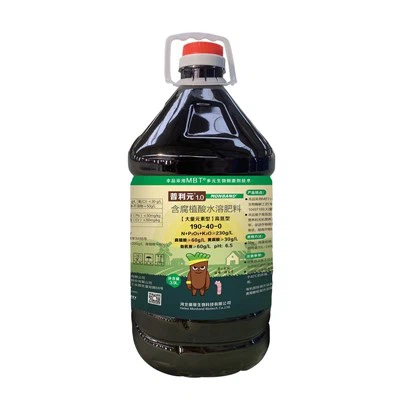
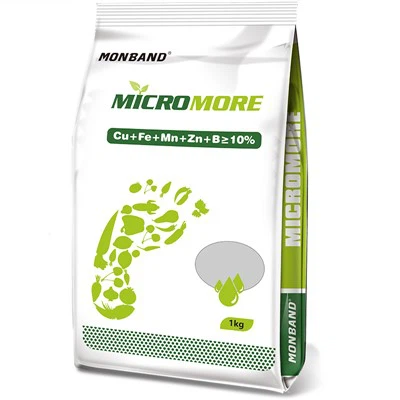
As an organic soluble fertilizer supplier, we understand the importance of providing high - quality products to address zinc deficiency in soils. We offer a range of organic soluble fertilizers that are fortified with zinc.
Our All Purpose Water Soluble Fertilizer is a versatile product that can be used for a wide variety of crops. It contains a balanced mix of essential nutrients, including zinc, to promote overall plant health.
For those looking for a premium product, our Premium Water Soluble Fertilizer is formulated with the highest - quality organic ingredients. It provides a slow - release of zinc and other nutrients, ensuring continuous plant growth throughout the growing season.
If you are a tomato grower, our Tomato Water Soluble Fertilizer is specifically designed to meet the unique nutritional needs of tomato plants. It contains an optimal amount of zinc to promote fruit set and quality.
How to Apply Organic Soluble Fertilizers for Zinc - Deficiency
The application method of organic soluble fertilizers depends on the type of crop, soil conditions, and the specific fertilizer product. In general, they can be applied through drip irrigation systems, foliar spraying, or soil drenching.
For drip irrigation, the fertilizer is dissolved in water and delivered directly to the plant roots. This method ensures efficient nutrient uptake and reduces the risk of nutrient loss. Foliar spraying involves applying the fertilizer solution directly to the leaves of the plants. This can be an effective way to quickly correct zinc deficiency, especially in cases where the soil conditions limit zinc availability. Soil drenching is another option where the fertilizer solution is poured around the base of the plants, allowing the nutrients to penetrate the soil and reach the roots.
Contact Us for Procurement
If you are interested in addressing zinc deficiency in your soils and are looking for high - quality organic soluble fertilizers, we are here to help. Our team of experts can provide you with detailed information about our products, application methods, and dosage recommendations. We are committed to providing you with the best solutions for your agricultural needs. Whether you are a small - scale farmer or a large - scale agricultural enterprise, we can work with you to develop a customized fertilizer plan. Please reach out to us for procurement discussions and let's grow healthy crops together.
References
Alloway, B. J. (2008). Zinc in soils and crop nutrition. International Zinc Association.
Marschner, P. (2012). Mineral nutrition of higher plants. Academic Press.
Vance, C. P., Uhde - Stone, C., & Allan, D. L. (2003). Function of micronutrients in plant stress tolerance. Journal of Plant Nutrition, 26(4), 867 - 880.