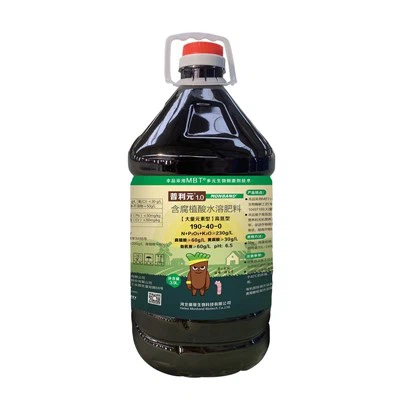
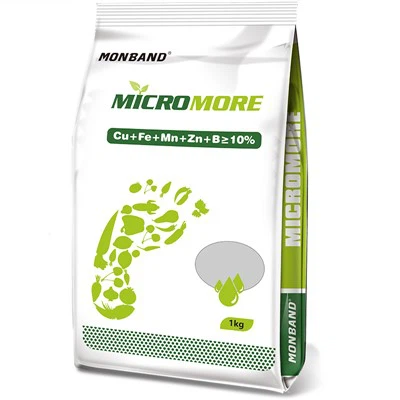
As a supplier of micronutrient fertilizers, I've witnessed firsthand the transformative power these products have on agricultural yields and quality. One aspect that often goes under the radar but is incredibly significant is the impact of micronutrient fertilizers on the taste of agricultural products. In this blog, I'll delve into the science behind this phenomenon, share real - world examples, and explain how our micronutrient fertilizers can enhance the flavor of your crops.
The Science of Micronutrients and Taste
Micronutrients, such as zinc, iron, manganese, copper, boron, and molybdenum, are essential for plant growth and development. Although they are required in small quantities, their role is crucial in various physiological processes within the plant. These processes can directly or indirectly affect the taste of the agricultural products.
For instance, zinc is involved in the synthesis of enzymes and proteins in plants. A sufficient supply of zinc can improve the plant's metabolic rate, which in turn affects the production of flavor - related compounds. When plants lack zinc, they may not be able to produce these compounds efficiently, resulting in a less - flavorful crop. Our Water Soluble Zinc Fertilizer provides plants with a readily available source of zinc, ensuring that they have the necessary nutrients to develop rich flavors.
Boron is another important micronutrient. It plays a key role in cell wall formation and membrane integrity. Proper boron levels can enhance the transport of sugars within the plant, leading to sweeter and more flavorful fruits and vegetables. When plants are boron - deficient, the sugar distribution may be disrupted, and the taste of the produce can be negatively affected.
Real - World Examples of Taste Improvement
Let's take a look at some real - world examples of how micronutrient fertilizers have improved the taste of agricultural products.
In a vineyard, the application of our Micronutrients Water Soluble Fertilizers led to a significant improvement in the flavor of the grapes. The vines were suffering from a micronutrient deficiency, which was evident in the lackluster taste of the previous year's harvest. After the application of our fertilizer, the grapes developed a more complex flavor profile, with increased levels of natural sugars and a better balance of acids. Winemakers reported that the resulting wine had a richer and more intense flavor, fetching a higher price in the market.
In an orchard growing apples, the use of Water Soluble Micronutrient Fertilizer made a noticeable difference in the taste of the fruit. The apples were sweeter, crisper, and had a more pronounced aroma. The farmers also observed that the apples had a longer shelf - life, which is an added benefit. Consumers were more satisfied with the taste of the apples, leading to increased sales and customer loyalty.
How Our Micronutrient Fertilizers Work
Our micronutrient fertilizers are formulated using the latest scientific research to ensure maximum effectiveness. They are water - soluble, which means they can be easily absorbed by the plants through the roots or foliage. This allows for a quick and efficient delivery of nutrients to the plants, even in adverse soil conditions.
The fertilizers are also balanced in terms of micronutrient ratios. Different crops have different micronutrient requirements, and our products are designed to meet these specific needs. For example, leafy greens may require more iron and manganese, while fruiting crops may need higher levels of zinc and boron. By providing the right combination of micronutrients, we can optimize the growth and flavor development of the crops.
The Economic Benefits of Improved Taste
Improving the taste of agricultural products can have significant economic benefits for farmers. Consumers are willing to pay more for high - quality, flavorful produce. By using our micronutrient fertilizers to enhance the taste of their crops, farmers can command a higher price in the market, increasing their profit margins.


In addition, better - tasting produce is more likely to be sold quickly, reducing the risk of spoilage and waste. This can lead to a more efficient and profitable farming operation. Moreover, satisfied customers are more likely to become repeat buyers, which can help farmers build a loyal customer base over time.
Environmental Considerations
Our micronutrient fertilizers are not only beneficial for the taste of agricultural products but also for the environment. They are formulated to be highly efficient, which means that less fertilizer is needed to achieve the desired results. This reduces the amount of fertilizer runoff into waterways, minimizing the risk of water pollution.
In addition, by improving the health and resilience of the plants, our fertilizers can reduce the need for pesticides and other chemical inputs. This can lead to a more sustainable and eco - friendly farming system.
Conclusion
The impact of micronutrient fertilizers on the taste of agricultural products is undeniable. As a supplier of these fertilizers, I am passionate about helping farmers produce high - quality, flavorful crops. Our Micronutrients Water Soluble Fertilizers, Water Soluble Micronutrient Fertilizer, and Water Soluble Zinc Fertilizer are designed to provide plants with the essential nutrients they need to develop rich flavors.
If you're a farmer looking to improve the taste of your crops and increase your profitability, I encourage you to get in touch with us. We can provide you with more information about our products and help you choose the right fertilizer for your specific needs. Let's work together to create a more flavorful and sustainable future for agriculture.
References
- Marschner, H. (1995). Mineral Nutrition of Higher Plants. Academic Press.
- Mengel, K., & Kirkby, E. A. (2001). Principles of Plant Nutrition. Kluwer Academic Publishers.
- Epstein, E., & Bloom, A. J. (2005). Mineral Nutrition of Plants: Principles and Perspectives. Sinauer Associates.