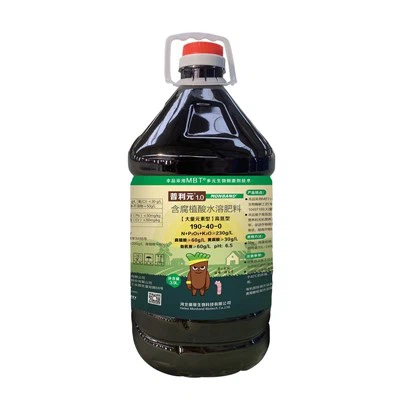
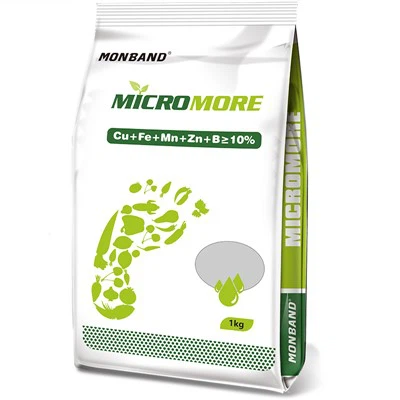
NPK fertilizers, composed of nitrogen (N), phosphorus (P), and potassium (K), are fundamental to modern agriculture and horticulture. As an NPK fertilizer supplier, I've witnessed firsthand the profound impact these fertilizers can have on plant health, particularly in relation to disease resistance. In this blog, I'll explore how NPK fertilizers influence a plant's ability to ward off diseases and why choosing the right fertilizer is crucial for a thriving garden or farm.


The Role of Nitrogen in Plant Disease Resistance
Nitrogen is a key component of amino acids, proteins, and chlorophyll, all of which are essential for plant growth and development. It plays a dual role in plant disease resistance. On one hand, adequate nitrogen levels promote vigorous plant growth, which can enhance a plant's ability to tolerate and recover from disease. A well - nourished plant with sufficient nitrogen can produce new tissues more rapidly, replacing those damaged by pathogens.
However, excessive nitrogen can also have a negative impact on disease resistance. High nitrogen levels can lead to lush, succulent growth that is more attractive to pests and diseases. For example, in some cases, plants with too much nitrogen are more susceptible to fungal diseases such as powdery mildew. This is because the soft, fast - growing tissues are easier for the fungi to penetrate. Therefore, it's important to maintain a balanced nitrogen supply. For more information on natural fertilizers suitable for nitrogen - rich applications, you can check out Roses Fertilizer Natural.
Phosphorus and Its Impact on Plant Immunity
Phosphorus is involved in many vital plant processes, including energy transfer, root development, and flowering. It also plays a significant role in plant disease resistance. Phosphorus helps in the synthesis of nucleic acids and phospholipids, which are essential for cell membrane integrity. A strong cell membrane acts as a physical barrier against pathogens, preventing their entry into the plant cells.
Moreover, phosphorus is crucial for the activation of plant defense mechanisms. It stimulates the production of phytoalexins, which are antimicrobial compounds that plants produce in response to pathogen attack. By enhancing the plant's natural defense responses, phosphorus can reduce the severity of diseases. For instance, in crops like tomatoes, adequate phosphorus levels can help in reducing the incidence of early blight. Our Water Soluble Potash Fertilizer contains a balanced amount of phosphorus, which can be effectively absorbed by plants to boost their disease - fighting capabilities.
Potassium: The Defender of Plants
Potassium is often referred to as the "quality element" in plants. It regulates various physiological processes, such as water uptake, enzyme activation, and photosynthesis. Potassium also plays a critical role in plant disease resistance. It strengthens the cell walls of plants, making them more resistant to mechanical damage and pathogen penetration.
Plants with sufficient potassium levels are better able to withstand drought, salinity, and other environmental stresses, which in turn can reduce their susceptibility to diseases. For example, potassium - rich plants are less likely to be affected by root - rot diseases because they have a stronger root system and better water - use efficiency. High potassium levels can also enhance the production of secondary metabolites that have antimicrobial properties. Our High Potassium Water Soluble Fertilizer is an excellent choice for providing plants with the necessary potassium to improve their disease resistance.
The Synergistic Effect of NPK
The three primary nutrients in NPK fertilizers do not act independently. Instead, they work together synergistically to influence plant disease resistance. A balanced NPK ratio is essential for optimal plant health. For example, nitrogen promotes vegetative growth, but without adequate phosphorus and potassium, the plant may be more vulnerable to diseases. Phosphorus and potassium support the growth and development of a strong root system, which in turn helps the plant to take up nitrogen more efficiently.
When the NPK ratio is balanced, plants can develop a well - rounded defense system. They have strong cell walls, efficient metabolic processes, and the ability to produce defense - related compounds. This comprehensive approach to plant health makes them more resilient to a wide range of diseases.
Choosing the Right NPK Fertilizer for Disease Resistance
Selecting the appropriate NPK fertilizer depends on several factors, including the type of plant, soil conditions, and the prevalent diseases in the area. Different plants have different nutrient requirements. For example, leafy vegetables generally require more nitrogen, while fruiting plants need more phosphorus and potassium.
Soil testing is an important step in determining the right NPK fertilizer. It can reveal the existing nutrient levels in the soil and help in formulating a fertilization plan. If the soil is deficient in a particular nutrient, a fertilizer with a higher concentration of that nutrient may be needed.
In addition, considering the disease history of the area is crucial. If a certain disease is common, choosing a fertilizer that can enhance the plant's resistance to that specific disease is advisable. For example, if fungal diseases are prevalent, a fertilizer with a higher potassium content may be beneficial.
The Long - Term Benefits of Using NPK Fertilizers for Disease Resistance
Using NPK fertilizers to improve plant disease resistance has long - term benefits for both farmers and gardeners. By reducing the incidence of diseases, plants can produce higher yields and better - quality produce. This can lead to increased profits for farmers and more beautiful, healthy plants for gardeners.
Moreover, relying on NPK fertilizers for disease resistance can reduce the need for chemical pesticides. This is not only environmentally friendly but also reduces the risk of pesticide residues on food products. In the long run, it promotes sustainable agriculture and horticulture.
Contact for NPK Fertilizer Procurement
If you're interested in enhancing your plants' disease resistance with high - quality NPK fertilizers, I invite you to reach out for procurement and further discussion. Our team of experts can help you choose the right fertilizer based on your specific needs and provide you with valuable advice on fertilization practices.
References
- Marschner, H. (1995). Mineral Nutrition of Higher Plants. Academic Press.
- Agrios, G. N. (2005). Plant Pathology. Elsevier Academic Press.
- Epstein, E., & Bloom, A. J. (2005). Mineral Nutrition of Plants: Principles and Perspectives. Sinauer Associates.