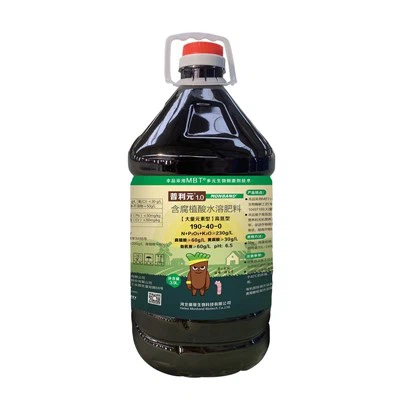
As a supplier of humic fulvic acid fertilizer, I often receive inquiries from farmers, gardeners, and agricultural enthusiasts about the recommended dosage of this remarkable fertilizer. In this blog post, I will delve into the factors that influence the dosage, provide general guidelines for different types of applications, and offer some practical tips to help you achieve the best results.
Understanding Humic Fulvic Acid Fertilizer
Before discussing the dosage, it's essential to understand what humic fulvic acid fertilizer is and how it benefits plants. Humic and fulvic acids are organic compounds derived from the decomposition of plant and animal matter. They are rich in carbon, hydrogen, oxygen, nitrogen, and other essential elements that are vital for plant growth.
Humic acid helps to improve soil structure, increase water retention, and enhance nutrient availability. It also stimulates root growth, promotes beneficial microbial activity in the soil, and improves the overall health and vigor of plants. Fulvic acid, on the other hand, is a smaller and more soluble molecule that can easily penetrate plant cells. It acts as a chelating agent, binding to nutrients and making them more accessible to plants. It also enhances the uptake of nutrients, improves photosynthesis, and boosts the plant's immune system.
Combined, humic and fulvic acids create a powerful fertilizer that can significantly improve soil fertility and plant growth. They are suitable for a wide range of crops, including vegetables, fruits, grains, flowers, and lawns.
Factors Affecting Dosage
The recommended dosage of humic fulvic acid fertilizer depends on several factors, including the type of soil, the crop being grown, the stage of plant growth, and the application method. Here are some key factors to consider:


- Soil Type: Different soils have different nutrient-holding capacities and pH levels. Sandy soils, for example, tend to have low organic matter content and poor water retention, while clay soils can be heavy and poorly drained. Humic fulvic acid fertilizer can help to improve the structure and fertility of both types of soils, but the dosage may need to be adjusted accordingly. In general, sandy soils may require a higher dosage to achieve the desired results, while clay soils may need a lower dosage.
- Crop Type: Different crops have different nutrient requirements and growth habits. Some crops, such as tomatoes and peppers, are heavy feeders and require more nutrients to produce high yields. Other crops, such as lettuce and spinach, are lighter feeders and may require less fertilizer. The recommended dosage of humic fulvic acid fertilizer will depend on the specific crop being grown and its nutrient requirements.
- Plant Growth Stage: The stage of plant growth also plays a role in determining the dosage of fertilizer. During the early stages of growth, plants require more nitrogen to promote leaf and stem development. As the plants mature, they may require more phosphorus and potassium to support flower and fruit production. Humic fulvic acid fertilizer can be applied at different stages of plant growth to meet the changing nutrient needs of the plants.
- Application Method: The method of application can also affect the dosage of humic fulvic acid fertilizer. It can be applied as a soil amendment, a foliar spray, or through irrigation systems. Soil applications are typically more effective for long-term soil improvement, while foliar sprays can provide a quick boost of nutrients to the plants. The dosage may need to be adjusted depending on the application method used.
General Dosage Guidelines
While the recommended dosage of humic fulvic acid fertilizer can vary depending on the factors mentioned above, here are some general guidelines to help you get started:
- Soil Application: For soil application, the recommended dosage of humic fulvic acid fertilizer is typically between 10 and 20 pounds per acre for agricultural crops. For garden beds and small-scale applications, you can use 1 to 2 pounds per 100 square feet. Mix the fertilizer thoroughly with the soil before planting or apply it as a top dressing around existing plants. Water the soil well after application to ensure that the fertilizer is evenly distributed.
- Foliar Spray: For foliar spray applications, the recommended dosage of humic fulvic acid fertilizer is typically between 1 and 2 ounces per gallon of water. Mix the fertilizer with water in a sprayer and apply it to the leaves of the plants, making sure to cover both the upper and lower surfaces of the leaves. Foliar sprays are most effective when applied in the early morning or late afternoon to avoid burning the leaves.
- Irrigation System: If you are using an irrigation system to apply humic fulvic acid fertilizer, the recommended dosage is typically between 1 and 2 quarts per acre. Mix the fertilizer with water in a tank and inject it into the irrigation system. Make sure to follow the manufacturer's instructions for your specific irrigation system.
Tips for Using Humic Fulvic Acid Fertilizer
Here are some tips to help you get the most out of your humic fulvic acid fertilizer:
- Start with a Small Dosage: It's always a good idea to start with a small dosage of humic fulvic acid fertilizer and gradually increase it as needed. This will help you to avoid over-fertilizing your plants and causing damage.
- Follow the Instructions: Make sure to follow the manufacturer's instructions for the specific product you are using. Different products may have different recommended dosages and application methods.
- Test Your Soil: Before applying humic fulvic acid fertilizer, it's a good idea to test your soil to determine its nutrient content and pH level. This will help you to determine the appropriate dosage of fertilizer and any other amendments that may be needed.
- Combine with Other Fertilizers: Humic fulvic acid fertilizer can be used in combination with other fertilizers to provide a complete nutrient package for your plants. However, make sure to follow the instructions for each fertilizer and avoid over-fertilizing.
- Store Properly: Humic fulvic acid fertilizer should be stored in a cool, dry place away from direct sunlight. Make sure to keep the product tightly sealed to prevent moisture and air from getting in.
Conclusion
In conclusion, humic fulvic acid fertilizer is a powerful and versatile fertilizer that can significantly improve soil fertility and plant growth. The recommended dosage of this fertilizer depends on several factors, including the type of soil, the crop being grown, the stage of plant growth, and the application method. By following the general dosage guidelines and tips provided in this blog post, you can ensure that you are using humic fulvic acid fertilizer effectively and safely.
If you are interested in purchasing humic fulvic acid fertilizer or have any questions about its use, please [contact us]([contact link]) for more information. We are a leading supplier of high-quality humic fulvic acid fertilizer and can provide you with the products and support you need to achieve the best results in your agricultural or gardening endeavors.