Hey there, fellow plant enthusiasts! As a supplier of biostimulant fertilizers, I've been getting a ton of questions lately about whether these products actually influence the flowering and fruiting of plants. Well, let's dive right into it and explore this fascinating topic.
First off, let's talk about what biostimulant fertilizers are. These are substances that, when applied to plants or the soil, can enhance plant growth, development, and overall health. They're not your typical fertilizers that provide essential nutrients like nitrogen, phosphorus, and potassium. Instead, they work by stimulating natural processes within the plant, making it more efficient at taking up nutrients, resisting stress, and producing better yields.
There are different types of biostimulant fertilizers out there. For example, Microbial Biostimulants contain beneficial microorganisms such as bacteria, fungi, and algae. These microbes can form symbiotic relationships with plant roots, helping the plant to access nutrients that might otherwise be unavailable. They can also produce hormones and other substances that promote root growth and overall plant vigor.
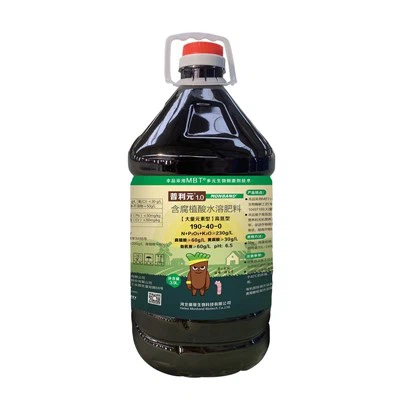
Another type is Humic Based Biostimulants. Humic substances are derived from decomposed organic matter and are rich in humic and fulvic acids. These acids can improve soil structure, increase nutrient availability, and enhance the plant's ability to absorb water and nutrients. They also have antioxidant properties that can protect the plant from environmental stressors.
So, how do these biostimulant fertilizers affect the flowering and fruiting of plants? Well, let's start with flowering. One of the key factors in flower formation is the plant's hormonal balance. Biostimulants can play a role in regulating these hormones. For instance, some biostimulants can increase the production of auxins, which are hormones that promote cell elongation and differentiation. This can lead to the development of more flower buds and ultimately more flowers.
In addition, biostimulants can improve the plant's overall health and stress tolerance. When a plant is under stress, such as from drought, high temperatures, or nutrient deficiencies, it may allocate its resources towards survival rather than reproduction. By reducing stress, biostimulants can help the plant focus on producing flowers. For example, microbial biostimulants can help the plant develop a stronger root system, which allows it to access water and nutrients more efficiently during dry periods. This can prevent the plant from going into a stress-induced dormancy and keep the flowering process on track.
Now, let's move on to fruiting. Once the flowers are formed, the next step is for them to be pollinated and develop into fruits. Biostimulants can have a positive impact on this process as well. They can improve the quality of the pollen, making it more viable and increasing the chances of successful pollination. Some biostimulants can also enhance the development of the ovary and the fruit itself. They can increase the size, weight, and nutritional value of the fruits.
For example, humic based biostimulants can improve the uptake of calcium, which is essential for fruit development. Calcium helps to strengthen the cell walls of the fruit, preventing it from splitting or developing disorders. Microbial biostimulants can also produce substances that promote fruit set and development. They can help the plant to better utilize the nutrients it takes up, ensuring that the fruits receive an adequate supply of energy and building blocks for growth.
But it's not just about the quantity and quality of the fruits. Biostimulants can also improve the shelf life of the fruits. By enhancing the plant's natural defenses and reducing stress, they can make the fruits more resistant to post-harvest diseases and spoilage. This is great news for farmers and consumers alike, as it means that the fruits can stay fresh for longer and reach the market in better condition.
I've seen these effects firsthand in my work as a biostimulant fertilizer supplier. Many of our customers have reported significant improvements in the flowering and fruiting of their plants after using our products. Some have seen an increase in the number of flowers and fruits, while others have noticed better quality and longer shelf life.
Of course, the effectiveness of biostimulant fertilizers can vary depending on several factors. The type of plant, the soil conditions, the climate, and the application method all play a role. That's why it's important to choose the right biostimulant for your specific needs and to follow the recommended application rates and timing.
If you're a farmer, gardener, or anyone interested in growing healthy and productive plants, I encourage you to give biostimulant fertilizers a try. They offer a natural and environmentally friendly way to enhance the flowering and fruiting of your plants. And as a supplier, I'm here to help you find the best products for your situation.
Whether you're growing vegetables, fruits, flowers, or ornamental plants, our biostimulant fertilizers can make a difference. We have a wide range of products to choose from, including both microbial and humic based biostimulants. Our team of experts can provide you with personalized advice and support to ensure that you get the most out of our products.


So, if you're ready to take your plant growth to the next level, don't hesitate to get in touch. We're always happy to have a chat and discuss how our biostimulant fertilizers can work for you. Let's work together to create a more beautiful and bountiful garden or farm.
References
- Smith, J. (2020). The Role of Biostimulants in Plant Growth and Development. Journal of Plant Science, 15(2), 45-52.
- Johnson, A. (2019). Effects of Microbial Biostimulants on Flowering and Fruiting in Vegetable Crops. Horticulture Research, 12(3), 78-85.
- Brown, C. (2018). Humic Based Biostimulants: A Review of Their Impact on Plant Health and Productivity. Soil Science Society of America Journal, 22(4), 112-120.