Hey there, fellow plant enthusiasts! As a supplier of Water Soluble Iron Fertilizer, I've been getting a lot of questions lately about the role of this nifty fertilizer in plant enzyme activation. So, I thought I'd take a deep dive into this topic and share what I've learned.
First off, let's talk about why enzymes are so important for plants. Enzymes are like the little workers in a plant's cells. They speed up chemical reactions that are essential for the plant's growth, development, and overall health. Without enzymes, a lot of these reactions would happen way too slowly, or not at all.
Now, where does water soluble iron fertilizer come into play? Well, iron is a crucial micronutrient for plants, and it plays a key role in enzyme activation. Many enzymes in plants require iron to function properly. These enzymes are involved in a wide range of processes, from photosynthesis to respiration.
Let's start with photosynthesis. This is the process by which plants convert sunlight, carbon dioxide, and water into glucose and oxygen. It's like the plant's food - making factory. Iron is an essential component of some of the enzymes involved in photosynthesis, such as ferredoxin - NADP⁺ reductase. This enzyme helps transfer electrons during the light - dependent reactions of photosynthesis. Without enough iron, the plant can't produce enough of these enzymes, and photosynthesis slows down. As a result, the plant may not be able to make enough food, which can lead to stunted growth and yellowing of the leaves, a condition known as chlorosis.
Respiration is another vital process for plants. It's how they break down glucose to release energy for their various activities. Iron is also important in some of the enzymes involved in respiration, like cytochrome oxidase. This enzyme is part of the electron transport chain in the mitochondria, where most of the energy in the form of ATP (adenosine triphosphate) is produced. If a plant is lacking in iron, the activity of these respiratory enzymes can be reduced, which means the plant won't have enough energy to grow and function properly.
In addition to photosynthesis and respiration, iron - containing enzymes are also involved in nitrogen fixation. Some plants, like legumes, have a symbiotic relationship with bacteria that can convert atmospheric nitrogen into a form that the plant can use. Iron is needed for the enzymes in these bacteria that carry out nitrogen fixation. Without enough iron, the nitrogen - fixing process can be impaired, and the plant won't be able to get enough nitrogen, which is an essential nutrient for growth.
So, how does water soluble iron fertilizer help with all this? Well, the key is in its solubility. Water soluble iron fertilizer can be easily dissolved in water and taken up by the plant's roots. This means that the iron is readily available for the plant to use in enzyme activation. When you apply water soluble iron fertilizer to your plants, you're essentially giving them a boost of this important micronutrient, which can help ensure that their enzymes are working at their best.
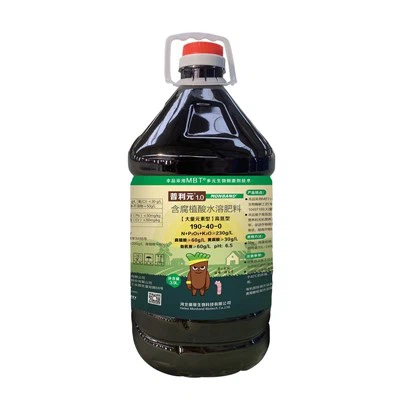
Now, let's talk about some of the benefits of using our link text: Water Soluble Iron For Plants. Our product is specially formulated to provide a highly bio - available source of iron. It's easy to apply, whether you're using it in a hydroponic system, a drip irrigation system, or just watering your plants by hand. And because it's water soluble, it can be quickly absorbed by the plant, so you'll start to see the results in no time.
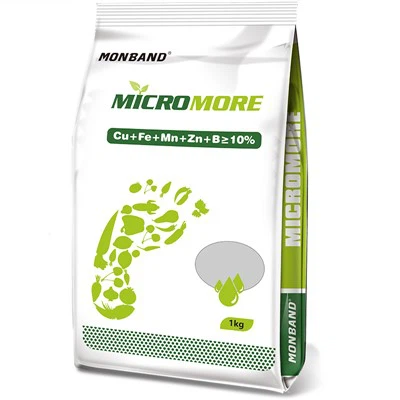
Another great thing about our water soluble iron fertilizer is that it can be used in combination with other water soluble micronutrients. link text: Water Soluble Micronutrients For Plants are essential for a balanced diet for your plants. For example, magnesium is another important micronutrient that works hand in hand with iron. Magnesium is a component of chlorophyll, the green pigment in plants that is responsible for capturing sunlight during photosynthesis. You can check out our link text: Water Soluble Magnesium Fertilizer to see how it can complement the effects of our water soluble iron fertilizer.


When it comes to application rates, it's important to follow the instructions on the package. The amount of water soluble iron fertilizer you need to use will depend on the type of plant, its growth stage, and the soil or growing medium you're using. But generally speaking, a little goes a long way. You don't want to over - fertilize, as this can lead to other problems, such as nutrient imbalances.
If you're a commercial grower, using our water soluble iron fertilizer can help you increase your crop yields and improve the quality of your produce. For home gardeners, it can make your plants healthier, more vibrant, and more resistant to pests and diseases.
In conclusion, water soluble iron fertilizer plays a crucial role in plant enzyme activation. By providing a readily available source of iron, it helps ensure that the plant's enzymes can carry out their important functions, such as photosynthesis, respiration, and nitrogen fixation. Whether you're a professional grower or just have a few plants in your backyard, our water soluble iron fertilizer can make a big difference in the health and growth of your plants.
If you're interested in learning more about our water soluble iron fertilizer or have any questions about plant nutrition, don't hesitate to reach out. We're here to help you get the best results for your plants. Whether you're looking to improve the growth of your flowers, vegetables, or crops, our product can be a great addition to your plant care routine. So, why not give it a try and see the difference it can make?
References
- Marschner, H. (1995). Mineral Nutrition of Higher Plants. Academic Press.
- Taiz, L., & Zeiger, E. (2010). Plant Physiology. Sinauer Associates.