Hey there, fellow gardening enthusiasts! I'm an NPK fertilizer supplier, and I've been in this business for quite some time. Over the years, I've gotten tons of questions about the best NPK ratio for perennial plants. So, I thought I'd share my knowledge in this blog post.


First off, let's break down what NPK actually means. N stands for nitrogen, P for phosphorus, and K for potassium. These three nutrients are the big players when it comes to plant health and growth. Nitrogen is crucial for leafy growth and gives plants that nice, green color. Phosphorus helps with root development, flowering, and fruit production. Potassium, on the other hand, is all about overall plant health, making them more resistant to diseases and stress.
Now, when it comes to perennial plants, the ideal NPK ratio can vary depending on a few factors. Different types of perennials have different nutrient needs. For example, ornamental perennials like peonies and daylilies have different requirements compared to edible perennials such as asparagus and rhubarb.
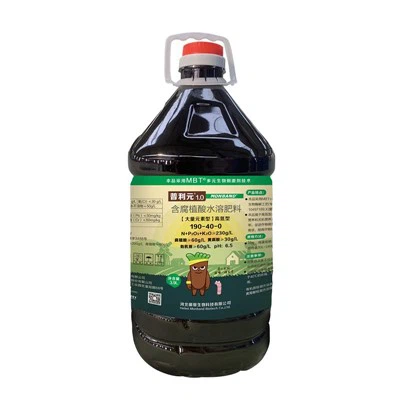
Let's start with ornamental perennials. These plants are mainly grown for their beautiful flowers and foliage. During the early growth stage, they need a bit more nitrogen to promote lush, green leaves. A ratio of around 3 - 1 - 2 (N - P - K) can be a good starting point. This means there's more nitrogen in the fertilizer compared to phosphorus and potassium. You can find a great option in our High Nitrogen Water Soluble Fertilizer. It's easy to apply and gets quickly absorbed by the plants.
As the plants start to bud and flower, they'll need more phosphorus. A ratio of 1 - 2 - 1 or 1 - 3 - 2 can be more suitable during this stage. Phosphorus helps in the formation of big, beautiful blooms. It's like giving your plants a little boost to show off their best colors.
Once the flowering is over, potassium becomes more important. Potassium helps the plants store energy for the next growing season and makes them more resilient to cold and diseases. A ratio of 1 - 1 - 3 or 0 - 0 - 6 can be used in the fall. This is where our High Potassium Water Soluble Fertilizer comes in handy. It gives the plants that extra push to get through the winter.
Now, let's talk about edible perennials. Asparagus, for instance, is a heavy feeder. In the first year or two after planting, it needs a balanced fertilizer with an NPK ratio of around 1 - 1 - 1. This helps the young plants establish a strong root system. As the asparagus matures, it benefits from a bit more nitrogen to produce thick, healthy spears. A ratio of 2 - 1 - 1 can be used during the growing season.
Rhubarb is another popular edible perennial. It also needs a balanced start, but once it's established, it can do well with a ratio of 1 - 2 - 2. The extra phosphorus and potassium help in root development and overall plant vigor.
Lawns are also considered perennials in a way. If you have a lawn, you'll want to fertilize it at different times of the year. In the spring, a fertilizer with a higher nitrogen content can help the grass green up quickly. A ratio of 3 - 1 - 2 or 4 - 1 - 2 can be good. As summer approaches, you might want to switch to a more balanced ratio to keep the grass healthy and resistant to heat stress.
In the fall, it's all about preparing the lawn for winter. Our Autumn Lawn Fertiliser with a ratio of around 1 - 2 - 3 is perfect for this. The extra potassium helps the grass roots grow deeper and makes the lawn more resilient to cold temperatures.
So, how do you know if you're using the right NPK ratio? Well, you can keep an eye on your plants. If the leaves are yellowing, it might be a sign of nitrogen deficiency. If the plants aren't flowering well, they might need more phosphorus. And if they seem weak or are getting a lot of diseases, they could use more potassium.
Another thing to consider is the soil type. Different soils have different nutrient levels. Sandy soils tend to drain quickly and may need more frequent fertilizing. Clay soils, on the other hand, hold nutrients better but can be a bit harder for the roots to penetrate. You can get your soil tested to find out its exact nutrient content and pH level. This will give you a better idea of what your plants really need.
It's also important not to over - fertilize. Too much nitrogen can make the plants grow too fast and become weak. They'll be more prone to pests and diseases. And over - applying phosphorus can lead to environmental problems, as it can run off into water sources.
When applying fertilizer, always follow the instructions on the package. You can use a spreader for granular fertilizers or a sprayer for liquid fertilizers. Make sure to water the plants after applying the fertilizer to help it soak into the soil.
In conclusion, finding the right NPK ratio for perennial plants is a bit of a balancing act. It depends on the type of plant, its growth stage, and the soil conditions. But with a little knowledge and some trial and error, you can keep your perennials looking healthy and beautiful year after year.
If you're interested in purchasing high - quality NPK fertilizers for your perennial plants, don't hesitate to reach out. We're here to help you choose the right products and answer any questions you might have. Whether you're a professional gardener or just someone who loves a beautiful garden, we've got the fertilizers you need.
References:
- "The Complete Guide to Fertilizing Your Garden" by Green Thumb Press
- "Perennial Plant Care Manual" by Gardening Experts Association