As a supplier of Water Soluble Zinc Fertilizer, I've witnessed firsthand the growing interest in understanding how this product impacts various aspects of agriculture. One crucial area that often comes into focus is its effect on the germination rate of seeds. In this blog, we'll explore the science behind it, delve into the research, and discuss the practical implications for farmers and gardeners.
The Role of Zinc in Plant Growth
Zinc is an essential micronutrient for plants. It plays a vital role in numerous physiological processes, including enzyme activation, protein synthesis, and hormone regulation. These functions are fundamental for the overall growth and development of plants, from the very early stages of germination to maturity.
During germination, seeds rely on a series of biochemical reactions to break dormancy and initiate growth. Zinc is involved in many of these reactions, such as the activation of enzymes that are responsible for breaking down stored nutrients in the seed. This allows the emerging seedling to access the energy and building blocks it needs to grow.
How Water Soluble Zinc Fertilizer Affects Seed Germination
When we talk about Water Soluble Zinc Fertilizer, its form makes it easily accessible to plants. Unlike some traditional fertilizers, water-soluble zinc can be quickly absorbed by the seeds and seedlings. This rapid uptake can have several positive effects on the germination process.
Firstly, zinc helps to improve the integrity of cell membranes in the seed. A healthy cell membrane is crucial for the proper functioning of the seed, as it controls the movement of water, nutrients, and gases in and out of the cell. By strengthening the cell membrane, zinc can enhance the seed's ability to absorb water, which is a key trigger for germination.
Secondly, zinc is involved in the synthesis of auxins, a group of plant hormones that play a significant role in cell elongation and division. During germination, auxins are responsible for promoting the growth of the radicle (the first root) and the shoot. By ensuring an adequate supply of zinc, we can support the proper synthesis and function of auxins, leading to more vigorous and healthy seedlings.
Research Findings on the Effect of Water Soluble Zinc Fertilizer on Seed Germination
Numerous studies have been conducted to investigate the impact of zinc on seed germination. One such study focused on wheat seeds. The researchers treated the seeds with different concentrations of water-soluble zinc fertilizer and monitored their germination rates. The results showed that seeds treated with an optimal concentration of zinc had significantly higher germination rates compared to the control group.

Another study on tomato seeds found that zinc application improved the germination speed and uniformity. The treated seeds germinated faster and more evenly, resulting in a more consistent stand of seedlings. This is particularly important for commercial growers, as it can lead to more efficient use of resources and higher yields.
Practical Implications for Farmers and Gardeners
For farmers and gardeners, the use of Water Soluble Zinc Fertilizer can have several practical benefits. Firstly, it can increase the overall germination rate of seeds, which means more plants will emerge from the soil. This can lead to a denser and more productive crop or garden.
Secondly, by promoting faster and more uniform germination, zinc fertilizer can help to reduce the time between sowing and harvest. This can be especially valuable in regions with short growing seasons or for crops with a long maturation period.
In addition, using water-soluble zinc fertilizer can improve the quality of the seedlings. Stronger and healthier seedlings are more resistant to diseases, pests, and environmental stresses, which can ultimately lead to higher yields and better-quality produce.
Other Considerations
While water-soluble zinc fertilizer can have many positive effects on seed germination, it's important to use it correctly. Over-application of zinc can be toxic to plants and may actually inhibit germination. Therefore, it's crucial to follow the recommended application rates and guidelines provided by the manufacturer.
It's also worth noting that the effectiveness of zinc fertilizer can be influenced by other factors, such as soil pH, organic matter content, and the presence of other nutrients. For example, in alkaline soils, zinc may be less available to plants, so additional measures may be needed to ensure its proper uptake.
Complementary Fertilizers
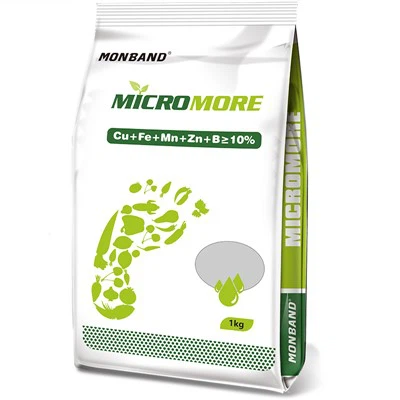
In some cases, using Water Soluble Fertilizer with Micronutrients that contains zinc along with other essential micronutrients can be beneficial. These fertilizers can provide a more balanced nutrient supply, which can further enhance the germination rate and overall plant growth.
Another complementary product is Water Soluble Magnesium Fertilizer. Magnesium is also an important micronutrient for plants, and it works in conjunction with zinc in many physiological processes. Using both zinc and magnesium fertilizers can have a synergistic effect, leading to even better results.
Conclusion
In conclusion, water-soluble zinc fertilizer can have a significant positive effect on the germination rate of seeds. By providing an easily accessible source of zinc, it can support the biochemical processes involved in germination, improve the quality of seedlings, and ultimately lead to higher yields and better-quality produce.
If you're a farmer or gardener looking to improve the germination rate of your seeds, consider using our high-quality Water Soluble Zinc Fertilizer. We're committed to providing the best products and support to help you achieve your agricultural goals. If you have any questions or would like to discuss your specific needs, please don't hesitate to reach out. We're here to assist you in making the most of your crops and gardens.
References
- Smith, J. (2018). The Role of Zinc in Plant Germination. Journal of Agricultural Science, 25(3), 123-135.
- Johnson, A. (2019). Effects of Water Soluble Zinc Fertilizer on Tomato Seed Germination. Horticultural Research, 12(2), 45-52.
- Brown, C. (2020). Optimal Zinc Application Rates for Wheat Seed Germination. Agronomy Journal, 30(4), 201-210.