Is water soluble iron organic? That's a question I get asked a lot as a supplier of Water Soluble Iron For Plants. Let's dig into this topic and clear up some of the confusion.
First off, let's understand what water - soluble iron is. Water - soluble iron is a form of iron that can dissolve in water. This is super important for plants because it allows the iron to be easily absorbed through the roots or leaves. Iron is an essential micronutrient for plants. It plays a key role in photosynthesis, the process by which plants convert sunlight into energy. Without enough iron, plants can develop chlorosis, a condition where the leaves turn yellow due to a lack of chlorophyll.
Now, the big question: Is it organic? Well, it depends. There are two main types of water - soluble iron: organic and inorganic.
Organic water - soluble iron typically comes from natural sources. It's often chelated, which means the iron is bound to an organic molecule. Chelation helps to keep the iron in a form that's more stable and available for plants. For example, iron EDTA is a common chelated iron compound. It's made by combining iron with ethylenediaminetetraacetic acid (EDTA), an organic compound. This type of iron is considered organic because of the presence of the organic chelating agent.
One of the benefits of organic water - soluble iron is its environmental friendliness. Since it comes from natural or semi - natural sources, it's more in tune with the ecosystem. It also tends to be more gentle on plants, reducing the risk of over - fertilization. Organic iron is also more likely to be compatible with other organic fertilizers and amendments, which is great for those who are into organic farming.
On the other hand, inorganic water - soluble iron is usually in the form of salts, like ferrous sulfate. Ferrous sulfate is a simple compound made up of iron, sulfur, and oxygen. It's a popular choice because it's relatively inexpensive and readily available. But it does have some drawbacks. Inorganic iron can be more reactive in the soil. It can react with other elements in the soil, like calcium and phosphorus, and form insoluble compounds. This means that not all of the iron may be available for the plants to use.
Another factor to consider is the soil pH. Inorganic iron works best in acidic soils. In alkaline soils, the iron in inorganic fertilizers can quickly become unavailable to plants. Organic water - soluble iron, however, is more stable across a wider range of soil pH levels. So, if you're dealing with alkaline soil, organic iron might be a better option.
As a supplier of Water Soluble Iron For Plants, I've seen firsthand the different effects of organic and inorganic iron on plants. In many cases, a combination of both can be the best approach. Using organic iron as a long - term soil amendment and inorganic iron for quick corrections can give you the best of both worlds.
Now, let's talk about how water - soluble iron fits into the bigger picture of plant nutrition. Water - soluble iron is just one piece of the puzzle. Plants also need other micronutrients like zinc and other water - soluble micronutrients.
If you're interested in zinc for your plants, you might want to check out our Water Soluble Zinc Fertilizer. Zinc is another essential micronutrient that plays a role in enzyme activation and protein synthesis in plants.
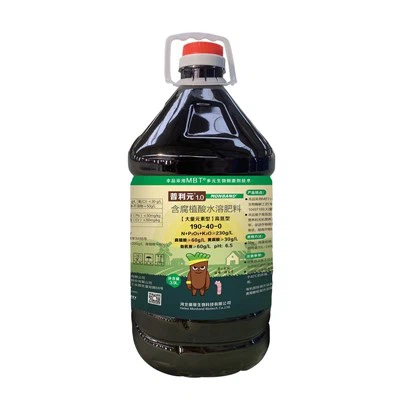
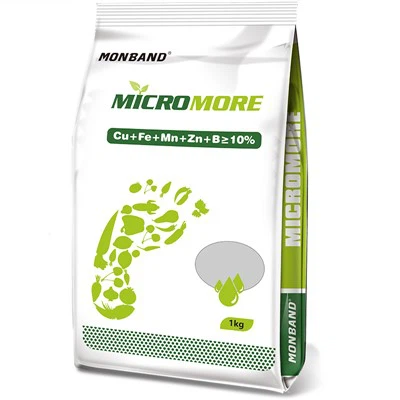
For a more comprehensive solution, our Water Soluble Micronutrients For Plants offer a balanced mix of all the essential micronutrients, including iron. And of course, if you're specifically looking for iron, our Water Soluble Iron Fertilizer is formulated to provide your plants with the right amount of iron in a readily available form.
When it comes to choosing the right water - soluble iron for your plants, it's important to consider your specific needs. If you're an organic farmer, you'll probably lean towards organic iron. But if cost is a major factor and you have acidic soil, inorganic iron might be the way to go.
If you're still not sure which type of water - soluble iron is best for your plants, don't hesitate to reach out. I'm here to help you make the right decision. Whether you're a small - scale gardener or a large - scale farmer, we can provide you with the right products and advice.


In conclusion, water - soluble iron can be either organic or inorganic. Each type has its own advantages and disadvantages. By understanding these differences, you can make an informed decision about which type of iron is best for your plants. And remember, a balanced approach to plant nutrition is key to healthy, thriving plants.
If you're interested in purchasing our water - soluble iron products or have any questions about plant nutrition, feel free to contact us. We're here to help you get the most out of your plants.
References
- Marschner, H. (1995). Mineral Nutrition of Higher Plants. Academic Press.
- Mengel, K., & Kirkby, E. A. (2001). Principles of Plant Nutrition. Kluwer Academic Publishers.