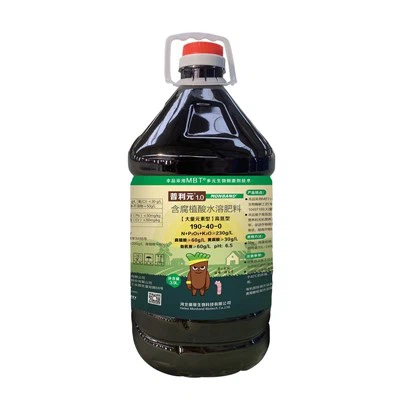
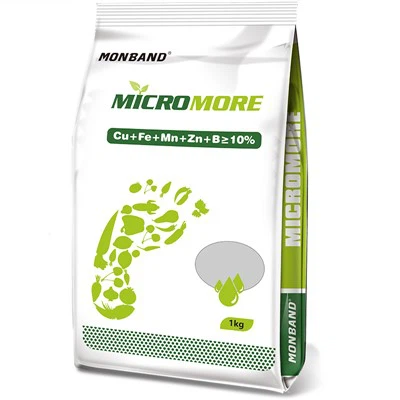
Hey there! As a supplier of Humic Organic Fertilizer, I often get asked if this kind of fertilizer is suitable for all types of soil. Well, let's dig into this topic and find out.
First off, let's understand what Humic Organic Fertilizer is. It's a natural fertilizer that's rich in humic substances, which are formed from the decomposition of organic matter like plants and animals. These substances are super beneficial for soil health and plant growth. You can check out more about it on our Humic Organic Fertilizer page.
Now, let's talk about different soil types. There are basically three main types: sandy soil, clay soil, and loamy soil.
Sandy soil is well - drained but has a hard time holding onto nutrients and water. It's like a sieve, and water just rushes through it. This can be a problem for plants because they need both water and nutrients to grow. That's where Humic Organic Fertilizer comes in. The humic substances in the fertilizer act like little sponges. They can absorb and hold water, making it available to the plants for a longer time. Also, they can bind to nutrients, preventing them from leaching out with the water. So, for sandy soil, Humic Organic Fertilizer is a great addition. It helps improve the soil's water - holding capacity and nutrient retention. You can learn more about our Fertilizer with Humic Acid, which can be a great option for sandy soil.
On the other hand, we have clay soil. Clay soil is the opposite of sandy soil. It holds water really well, but it has poor drainage. When it rains, the water can't escape easily, and the soil can become waterlogged. This can suffocate the plant roots. Humic Organic Fertilizer can help here too. The humic substances can break up the compacted clay particles, creating more space for air and water to move through the soil. This improves the soil's structure and drainage. It also makes it easier for plant roots to penetrate the soil and access nutrients. So, even though clay soil has its own set of problems, Humic Organic Fertilizer can be a game - changer.
Then there's loamy soil, which is often considered the ideal soil type. It has a good balance of sand, silt, and clay. It drains well, holds water and nutrients, and has a great structure for plant roots. But even loamy soil can benefit from Humic Organic Fertilizer. The fertilizer can further enhance the soil's fertility by adding more organic matter. This can increase the population of beneficial soil microorganisms, which play a crucial role in breaking down organic matter and making nutrients available to plants. Our Bio Humic Fertilizer is specifically designed to promote the growth of these beneficial microbes.
But it's not all sunshine and rainbows. There are some situations where you might need to be a bit more careful. For example, in very acidic or very alkaline soils, the effectiveness of Humic Organic Fertilizer can be affected. In extremely acidic soils, the humic substances can react with the high levels of hydrogen ions, changing their chemical properties. In alkaline soils, the high pH can also cause some changes in the humic substances. However, in most cases, the addition of Humic Organic Fertilizer can help buffer the soil pH, bringing it closer to a neutral level.
Another thing to consider is the application rate. You can't just dump a whole bunch of fertilizer on the soil and expect it to work wonders. The right amount of Humic Organic Fertilizer depends on the soil type, the type of plants you're growing, and the existing nutrient levels in the soil. It's always a good idea to get your soil tested before applying any fertilizer. This way, you can determine the exact needs of your soil and adjust the application rate accordingly.


In some cases, if the soil is already very rich in organic matter, you might not need as much Humic Organic Fertilizer. But even then, a small amount can still be beneficial, as it can help maintain the soil's fertility and structure over time.
So, to answer the question, is Humic Organic Fertilizer suitable for all types of soil? The short answer is yes, with a few caveats. It can be a great addition to most soil types, helping to improve soil structure, water - holding capacity, nutrient retention, and microbial activity. But you need to be aware of the soil's pH and other characteristics and adjust the application rate as needed.
If you're a farmer, a gardener, or just someone who loves plants, I highly recommend giving Humic Organic Fertilizer a try. It's a natural and sustainable way to improve your soil and grow healthier plants. Whether you have sandy soil, clay soil, or loamy soil, our products can make a difference. Don't hesitate to reach out if you have any questions or want to discuss your specific soil needs. We're here to help you make the most of your soil and your plants. If you're interested in purchasing our Humic Organic Fertilizer, we're ready to have a chat about your requirements and the best solutions for your soil.
References:
- Brady, N. C., & Weil, R. R. (2008). The Nature and Properties of Soils. Pearson Prentice Hall.
- Stevenson, F. J. (1994). Humus Chemistry: Genesis, Composition, Reactions. Wiley - Interscience.