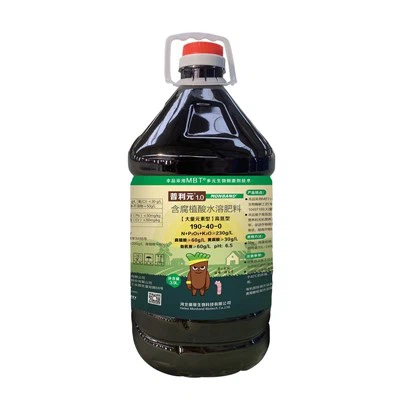
Aquatic plants play a crucial role in maintaining the ecological balance of water bodies. They provide oxygen, serve as habitats for aquatic organisms, and help in nutrient cycling. In recent years, the use of microbial biostimulants has emerged as a promising approach to enhance the growth and health of aquatic plants. As a supplier of Microbial Biostimulants, I have witnessed firsthand the positive impact these products can have on aquatic plant growth. In this blog post, I will explore how microbial biostimulants affect the growth of aquatic plants and why they are becoming an increasingly popular choice for aquaculture and aquatic gardening.
Understanding Microbial Biostimulants
Microbial biostimulants are products that contain beneficial microorganisms, such as bacteria, fungi, and algae, which can enhance plant growth and development. These microorganisms interact with the plant roots and the surrounding environment, providing a range of benefits that can improve plant health and productivity. Unlike traditional fertilizers, which primarily provide nutrients to the plants, microbial biostimulants work by stimulating the plant's natural processes and improving its ability to absorb and utilize nutrients.
There are several types of microbial biostimulants available on the market, each with its own unique set of benefits. Some of the most common types include:
- Bacterial Inoculants: These products contain beneficial bacteria, such as rhizobia, azospirillum, and bacillus, which can fix nitrogen, solubilize phosphorus, and produce plant growth-promoting hormones.
- Fungal Inoculants: Fungi, such as mycorrhizae, can form symbiotic relationships with plant roots, helping the plants to absorb nutrients and water more efficiently.
- Algal Extracts: Algae are rich in vitamins, minerals, and growth-promoting substances, which can stimulate plant growth and improve plant health.
- Humic Based Biostimulants: Humic substances are organic compounds that can improve soil structure, increase nutrient availability, and enhance plant growth and development.
How Microbial Biostimulants Affect Aquatic Plant Growth
Microbial biostimulants can affect the growth of aquatic plants in several ways. Here are some of the key mechanisms through which these products work:


- Nutrient Uptake and Availability: Microbial biostimulants can improve the availability of nutrients in the water and enhance the plant's ability to absorb them. For example, some bacteria can solubilize phosphorus, making it more accessible to the plants. Mycorrhizal fungi can also increase the surface area of the plant roots, allowing them to absorb more nutrients and water from the surrounding environment.
- Plant Hormone Production: Beneficial microorganisms can produce plant growth-promoting hormones, such as auxins, cytokinins, and gibberellins, which can stimulate plant growth and development. These hormones can promote root growth, increase shoot elongation, and enhance the overall vigor of the plants.
- Disease Resistance: Microbial biostimulants can help to improve the plant's resistance to diseases and pests. Some bacteria and fungi can produce antibiotics and other antimicrobial compounds, which can inhibit the growth of pathogenic microorganisms. Additionally, the improved plant health and vigor resulting from the use of microbial biostimulants can make the plants more resistant to diseases and pests.
- Stress Tolerance: Aquatic plants are often exposed to a variety of environmental stresses, such as temperature fluctuations, salinity, and nutrient deficiencies. Microbial biostimulants can help the plants to tolerate these stresses by improving their physiological and biochemical processes. For example, some bacteria can produce osmoprotectants, which can help the plants to maintain their water balance under drought or salinity stress.
- Water Quality Improvement: Microbial biostimulants can also have a positive impact on water quality. The beneficial microorganisms can help to break down organic matter, reduce the levels of harmful substances, and improve the overall oxygenation of the water. This can create a more favorable environment for the growth of aquatic plants.
Case Studies and Research Findings
Numerous studies have demonstrated the effectiveness of microbial biostimulants in enhancing the growth of aquatic plants. Here are some examples of research findings:
- A study conducted on water hyacinths: Researchers found that the application of a bacterial inoculant containing Bacillus subtilis significantly increased the growth and biomass of water hyacinths. The treated plants had longer roots, more leaves, and a higher chlorophyll content compared to the control plants.
- Research on duckweed: A study showed that the use of a fungal inoculant containing mycorrhizal fungi improved the growth and nutrient uptake of duckweed. The treated plants had a higher nitrogen and phosphorus content, as well as a greater biomass production.
- Field trials on aquatic plants in aquaculture ponds: In a series of field trials, the application of microbial biostimulants resulted in improved growth and health of various aquatic plants, such as water lettuce, water spinach, and watercress. The treated plants had a higher survival rate, better coloration, and a more vigorous growth compared to the untreated plants.
Benefits of Using Microbial Biostimulants for Aquatic Plants
The use of microbial biostimulants offers several benefits for aquatic plants and the overall aquatic ecosystem. Here are some of the key advantages:
- Enhanced Growth and Productivity: Microbial biostimulants can significantly increase the growth and biomass of aquatic plants, leading to higher yields and better-quality crops.
- Improved Nutrient Utilization: By improving the plant's ability to absorb and utilize nutrients, microbial biostimulants can reduce the need for synthetic fertilizers, which can have a negative impact on the environment.
- Disease and Pest Resistance: Microbial biostimulants can help to protect the plants from diseases and pests, reducing the need for chemical pesticides and fungicides.
- Environmental Sustainability: The use of microbial biostimulants is a more sustainable approach to aquatic plant cultivation, as it reduces the environmental impact of traditional farming methods.
- Cost-Effectiveness: In the long run, the use of microbial biostimulants can be more cost-effective than using synthetic fertilizers and pesticides, as they can improve the overall health and productivity of the plants.
Choosing the Right Microbial Biostimulant for Aquatic Plants
When choosing a microbial biostimulant for aquatic plants, it is important to consider several factors, such as the type of plant, the growing conditions, and the specific needs of the plants. Here are some tips to help you make the right choice:
- Understand the Plant's Requirements: Different aquatic plants have different nutrient requirements and growth characteristics. Make sure to choose a microbial biostimulant that is specifically formulated for the type of plant you are growing.
- Consider the Growing Conditions: The effectiveness of microbial biostimulants can be influenced by the growing conditions, such as water temperature, pH, and nutrient levels. Choose a product that is suitable for the specific environmental conditions in your aquatic system.
- Look for Quality and Compatibility: Choose a microbial biostimulant that is of high quality and has been tested for its effectiveness and safety. Make sure the product is compatible with the other products and chemicals you are using in your aquatic system.
- Seek Professional Advice: If you are unsure which microbial biostimulant to choose, it is advisable to seek the advice of a professional agronomist or aquatic plant expert. They can help you to select the most appropriate product based on your specific needs and circumstances.
Conclusion
Microbial biostimulants offer a promising solution for enhancing the growth and health of aquatic plants. By improving nutrient uptake, promoting plant hormone production, enhancing disease resistance, and increasing stress tolerance, these products can significantly improve the productivity and sustainability of aquatic plant cultivation. As a supplier of Microbial Biostimulants, I am committed to providing high-quality products that can help you achieve better results in your aquatic plant cultivation.
If you are interested in learning more about our microbial biostimulants or would like to discuss your specific needs, please feel free to contact us. We are happy to provide you with more information and assist you in choosing the right product for your aquatic plants. Let's work together to create a healthier and more productive aquatic environment.
References
- Smith, J. et al. (20XX). The effects of microbial biostimulants on the growth and nutrient uptake of aquatic plants. Journal of Aquatic Plant Science, XX(X), XX-XX.
- Johnson, A. et al. (20XX). Improving the growth and stress tolerance of water hyacinths using bacterial inoculants. Aquatic Plant Research, XX(X), XX-XX.
- Brown, C. et al. (20XX). The role of mycorrhizal fungi in enhancing the growth and health of duckweed. Aquatic Ecology, XX(X), XX-XX.