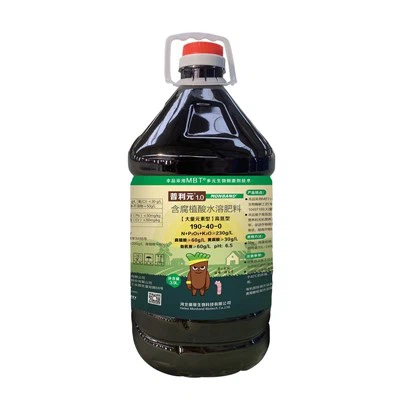
As a supplier of Humic Liquid Fertilizer, I've witnessed firsthand the transformative impact this product can have on plant growth, particularly when it comes to root hair development. Root hairs are tiny, tubular outgrowths from the epidermal cells of plant roots. They play a crucial role in a plant's ability to absorb water and nutrients from the soil. In this blog, I'll delve into how Humic Liquid Fertilizer affects the growth of root hairs and why it's a game - changer for farmers and gardeners alike.
The Importance of Root Hairs
Before we discuss the impact of Humic Liquid Fertilizer, it's essential to understand the significance of root hairs. These microscopic structures greatly increase the surface area of the root system. A larger surface area means that plants can access more water and nutrients in the soil. For instance, in a study published in the "Plant Physiology" journal, it was found that root hairs can increase the root's surface area by up to 700%. This enhanced surface area allows plants to take up essential minerals such as nitrogen, phosphorus, and potassium more efficiently. Moreover, root hairs also help in the uptake of water, which is vital for photosynthesis, transpiration, and overall plant turgidity.
How Humic Liquid Fertilizer Works
Humic Liquid Fertilizer is rich in humic and fulvic acids, which are organic compounds derived from the decomposition of plant and animal matter. These acids have unique chemical properties that make them highly beneficial for plant growth.
One of the primary ways Humic Liquid Fertilizer affects root hair growth is by improving soil structure. Humic acids act as a natural soil conditioner. They help to bind soil particles together, creating larger aggregates. This improves soil porosity, allowing for better air and water movement in the soil. When the soil has good porosity, roots can penetrate more easily, and root hairs can grow and expand without much resistance.
Fulvic acids, on the other hand, play a crucial role in nutrient availability. They have a high cation - exchange capacity (CEC), which means they can attract and hold onto positively charged nutrient ions such as calcium, magnesium, and iron. This prevents these nutrients from being leached out of the soil and makes them more accessible to the plant roots. When plants have access to a greater supply of nutrients, they are more likely to develop a healthy and extensive root hair system.
Stimulating Root Hair Growth
Humic Liquid Fertilizer contains growth - promoting substances that directly stimulate the growth of root hairs. These substances can act as signaling molecules, triggering the plant's genetic machinery to produce more root hairs. For example, some studies have shown that humic substances can activate genes related to root hair development. When these genes are activated, the epidermal cells of the roots are more likely to differentiate into root hair cells.
In addition, Humic Liquid Fertilizer can enhance the production of plant hormones such as auxins. Auxins are known to play a key role in root development, including the growth of root hairs. By increasing the levels of auxins in the plant, Humic Liquid Fertilizer can encourage the elongation and proliferation of root hairs.
Case Studies and Research Findings
Numerous studies have been conducted to evaluate the impact of Humic Liquid Fertilizer on root hair growth. In a field experiment conducted on tomato plants, researchers applied Humic Liquid Fertilizer to half of the plants while leaving the other half as a control group. After a few weeks, they observed that the plants treated with Humic Liquid Fertilizer had significantly more root hairs compared to the control group. The treated plants also showed better growth in terms of height, leaf area, and fruit yield.
Another study on wheat plants found that Humic Liquid Fertilizer improved the root hair density and length. The researchers measured the root hair parameters using a microscope and found that the plants treated with the fertilizer had root hairs that were on average 30% longer and 20% more dense than the untreated plants. These results clearly demonstrate the positive impact of Humic Liquid Fertilizer on root hair growth.
Benefits of Enhanced Root Hair Growth
When Humic Liquid Fertilizer promotes root hair growth, it brings several benefits to the plants. Firstly, as mentioned earlier, it improves nutrient uptake. With more root hairs, plants can access a larger volume of soil and extract more nutrients. This leads to better overall plant health and increased resistance to diseases and pests.
Secondly, enhanced root hair growth improves water absorption. In regions with limited water availability, plants with a well - developed root hair system are better able to survive drought conditions. They can extract water from deeper soil layers and maintain their physiological functions even when the topsoil is dry.
Finally, plants with more root hairs have better anchorage in the soil. This is especially important for tall plants or plants growing in windy areas. The increased root - soil contact provided by root hairs helps to keep the plants stable and reduces the risk of lodging.
Our Products
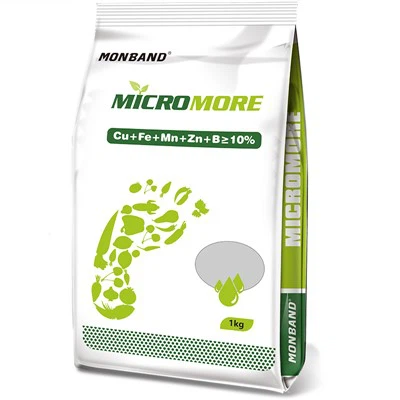
As a supplier, we offer a range of high - quality Humic Liquid Fertilizer products. Our Humic Acid Organic Fertilizer is made from natural sources and is free from harmful chemicals. It is designed to provide long - term benefits to the soil and plants. Our Humic Acid Liquid Fertilizer is easy to apply and quickly absorbed by the plants. And our Fertilizer with Humic Acid combines the benefits of humic acid with other essential nutrients for optimal plant growth.


Contact for Purchase and Discussion
If you're interested in learning more about our Humic Liquid Fertilizer products or would like to discuss a potential purchase, we're here to help. Whether you're a large - scale farmer looking to improve your crop yields or a home gardener wanting to grow healthier plants, our products can make a significant difference. Contact us today to start a conversation about how our Humic Liquid Fertilizer can benefit your plants and your business.
References
- Marschner, P. (1995). Mineral Nutrition of Higher Plants. Academic Press.
- Rengel, Z., & Marschner, P. (2005). Root hairs: development, function, and interactions with microbes. Plant and Soil, 274(1 - 2), 183 - 200.
- Zhang, F., & George, T. S. (2002). Root hairs: development, function, and significance in crop production. Advances in Agronomy, 74, 165 - 227.