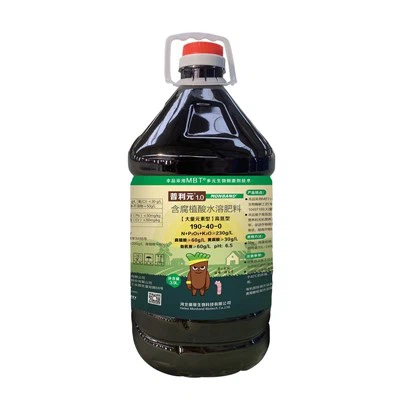
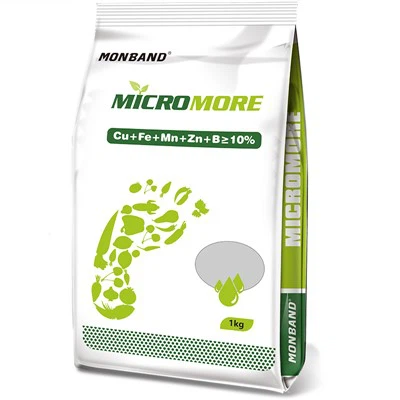
When it comes to nourishing plants with iron, two primary types of fertilizers often come into consideration: water soluble iron fertilizers and chelated iron fertilizers. As a supplier of water soluble iron fertilizers, I've had the opportunity to witness firsthand the effects of both types on plant growth and health. In this blog, I'll delve into a comprehensive comparison of these two fertilizers, exploring their characteristics, advantages, and limitations.
Understanding Water Soluble Iron Fertilizers
Water soluble iron fertilizers are exactly what their name suggests - fertilizers that dissolve readily in water. This solubility allows for easy application, whether through soil drenching, foliar spraying, or fertigation systems. The iron in these fertilizers is typically in an inorganic form, such as iron sulfate or iron chloride.
One of the key advantages of water soluble iron fertilizers is their cost - effectiveness. They are generally more affordable than chelated iron fertilizers, making them an attractive option for large - scale agricultural operations and budget - conscious gardeners. Additionally, they are readily available in the market and can be quickly applied to plants when an iron deficiency is detected.
For instance, iron sulfate is a commonly used water soluble iron fertilizer. It can rapidly increase the iron content in the soil, providing an immediate boost to plants suffering from iron chlorosis, a condition characterized by yellowing leaves due to insufficient iron. When applied as a soil drench, it can reach the plant roots and be absorbed relatively quickly.
Another benefit is the ease of use. With water soluble iron fertilizers, you simply dissolve the product in water according to the recommended dosage and apply it to the plants. There's no need for complex mixing or special equipment. This simplicity makes it accessible to both professional farmers and home gardeners.
However, water soluble iron fertilizers also have some limitations. In alkaline soils, the iron in these fertilizers can react with other elements and form insoluble compounds, reducing its availability to plants. This means that in high - pH soils, the effectiveness of water soluble iron fertilizers may be significantly diminished. Moreover, the iron in these fertilizers can be easily leached out of the soil by heavy rainfall or excessive irrigation, leading to environmental pollution and a waste of resources.
If you're interested in exploring more water soluble micronutrients for your plants, you can visit Water Soluble Micronutrients For Plants.
Exploring Chelated Iron Fertilizers
Chelated iron fertilizers, on the other hand, are a more advanced form of iron fertilizers. The iron in these fertilizers is bound to a chelating agent, which is a molecule that protects the iron from reacting with other elements in the soil. This chelation process enhances the stability and availability of iron to plants, especially in alkaline or calcareous soils.
One of the main advantages of chelated iron fertilizers is their high efficiency in iron delivery. The chelating agent ensures that the iron remains in a soluble and available form, even in unfavorable soil conditions. This means that plants can absorb the iron more effectively, resulting in better growth and a quicker recovery from iron deficiency.
For example, EDTA - chelated iron is a popular type of chelated iron fertilizer. It can maintain the iron in a stable form over a wide range of soil pH values, from acidic to slightly alkaline. This makes it suitable for a variety of soil types and plant species.
Chelated iron fertilizers also have a longer - lasting effect compared to water soluble iron fertilizers. Since the iron is protected by the chelating agent, it is less likely to be leached out of the soil or form insoluble compounds. This means that a single application of chelated iron fertilizer can provide a continuous supply of iron to plants over an extended period.
However, chelated iron fertilizers are generally more expensive than water soluble iron fertilizers. The cost of the chelating agent and the manufacturing process contribute to the higher price. This can be a significant factor for large - scale agricultural producers, especially those on a tight budget. Additionally, some chelating agents may have environmental impacts if not properly managed.
If you're also interested in water soluble magnesium fertilizers, which can work in conjunction with iron fertilizers for optimal plant growth, you can check out Water Soluble Magnesium Fertilizer.
A Comparative Analysis
Let's now compare water soluble iron fertilizers and chelated iron fertilizers in several key aspects:


1. Soil Adaptability
Water soluble iron fertilizers work well in acidic to slightly alkaline soils. In these soil conditions, the iron remains relatively soluble and can be easily absorbed by plants. However, in alkaline soils with a pH above 7.5, their effectiveness drops significantly.
Chelated iron fertilizers, on the other hand, are highly adaptable to different soil pH levels. They can maintain the iron in a soluble form even in highly alkaline soils, ensuring that plants can access the iron they need.
2. Cost
As mentioned earlier, water soluble iron fertilizers are more cost - effective. They are a budget - friendly option for farmers and gardeners who need to address iron deficiencies on a large scale. Chelated iron fertilizers, due to their advanced technology and higher manufacturing costs, are more expensive.
3. Speed of Action
Water soluble iron fertilizers can provide a quick fix for iron deficiency. When applied, the iron can be rapidly absorbed by plants, leading to visible improvements in plant health within a short period. Chelated iron fertilizers, while they also work effectively, may take a bit longer to show results as the chelating process and slow - release mechanism are designed for long - term iron supply.
4. Environmental Impact
Water soluble iron fertilizers can be more prone to leaching, which can lead to water pollution and a waste of resources. Chelated iron fertilizers, with their better retention in the soil, have a relatively lower environmental impact in terms of leaching. However, the chelating agents themselves may have some environmental concerns if not properly managed.
Choosing the Right Fertilizer
The choice between water soluble iron fertilizers and chelated iron fertilizers depends on several factors. If you have acidic to slightly alkaline soils and are on a tight budget, water soluble iron fertilizers may be the best option. They can provide a quick and cost - effective solution to iron deficiencies.
On the other hand, if you have alkaline soils or need a long - term solution for iron supply, chelated iron fertilizers are worth the investment. They can ensure that your plants receive a continuous and stable supply of iron, leading to healthier growth and higher yields.
As a supplier of Water Soluble Iron For Plants, I'm committed to providing high - quality water soluble iron fertilizers that can meet the diverse needs of our customers. Whether you're a large - scale farmer or a home gardener, we have the right products for you.
If you're interested in learning more about our water soluble iron fertilizers or would like to discuss your specific requirements, please don't hesitate to reach out. We're here to help you make the best choice for your plants and achieve optimal growth and productivity.
References
- Marschner, H. (1995). Mineral Nutrition of Higher Plants. Academic Press.
- Mengel, K., & Kirkby, E. A. (2001). Principles of Plant Nutrition. Kluwer Academic Publishers.
- Alloway, B. J. (2008). Micronutrients in Agriculture. Second Edition. Soil Science Society of America.