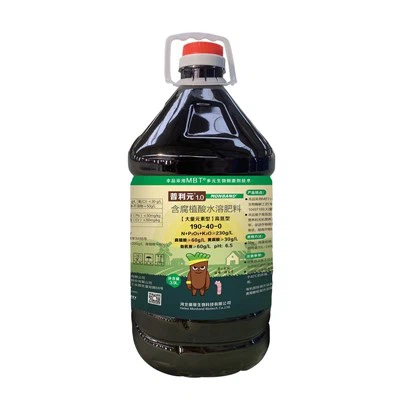
Humic substances are organic compounds that play a crucial role in soil fertility and plant growth. As a supplier of Humic Based Biostimulants, I have witnessed firsthand the remarkable effects these products can have on plant metabolism. In this blog post, I will delve into the science behind how humic based biostimulants impact the metabolic processes of plants, exploring the various mechanisms and benefits.
Understanding Humic Based Biostimulants
Before we discuss their effects on plant metabolism, it's important to understand what humic based biostimulants are. These products are derived from humic substances, which are formed through the decomposition of organic matter in the soil. Humic substances can be classified into three main types: humic acid, fulvic acid, and humin. Humic based biostimulants typically contain a combination of these substances, along with other beneficial compounds such as amino acids, vitamins, and minerals.
One of the key features of humic based biostimulants is their ability to improve soil structure and fertility. They can increase the cation exchange capacity (CEC) of the soil, which means that it can hold onto more nutrients and make them more available to plants. Additionally, humic substances can enhance soil aggregation, improving water infiltration and retention, and reducing soil erosion.
Effects on Nutrient Uptake
One of the primary ways that humic based biostimulants affect plant metabolism is by enhancing nutrient uptake. They can chelate or bind to essential nutrients such as iron, zinc, copper, and manganese, making them more soluble and easier for plants to absorb. This is particularly important in soils with low nutrient availability or high pH levels, where these nutrients may be less accessible to plants.


For example, iron is an essential micronutrient for plants, but it can be easily precipitated and become unavailable in alkaline soils. Humic substances can form complexes with iron, preventing its precipitation and keeping it in a soluble form that can be taken up by plant roots. This can help to prevent iron deficiency chlorosis, a common problem in many crops.
In addition to improving the availability of nutrients, humic based biostimulants can also stimulate root growth and development. They can increase the number and length of root hairs, which are the primary sites of nutrient uptake in plants. This can result in a larger root surface area, allowing plants to absorb more nutrients and water from the soil.
Impact on Photosynthesis
Photosynthesis is the process by which plants convert light energy into chemical energy, producing glucose and oxygen. Humic based biostimulants can have a positive impact on photosynthesis by improving the efficiency of this process. They can enhance the synthesis of chlorophyll, the pigment that absorbs light energy in plants. This can result in increased photosynthetic activity and higher yields.
Furthermore, humic substances can improve the stomatal conductance of plants, which is the rate at which carbon dioxide enters the leaves. This can increase the availability of carbon dioxide for photosynthesis, leading to higher rates of glucose production. Additionally, humic based biostimulants can protect plants from oxidative stress, which can damage the photosynthetic machinery and reduce photosynthetic efficiency.
Influence on Hormonal Regulation
Plant hormones play a crucial role in regulating various physiological processes, including growth, development, and stress response. Humic based biostimulants can influence hormonal regulation in plants, leading to improved growth and productivity.
For example, humic substances can stimulate the production of auxins, which are hormones that promote cell elongation and root growth. This can result in stronger and more extensive root systems, which can support better nutrient uptake and overall plant growth. Additionally, humic based biostimulants can affect the production and activity of other hormones such as cytokinins, gibberellins, and abscisic acid, which are involved in processes such as cell division, stem elongation, and stress tolerance.
Effects on Stress Tolerance
Plants are constantly exposed to various environmental stresses, such as drought, salinity, extreme temperatures, and pathogen attacks. Humic based biostimulants can help plants to cope with these stresses by enhancing their stress tolerance mechanisms.
Under drought conditions, humic substances can improve water retention in the soil and reduce water loss from plants through transpiration. They can also stimulate the production of osmolytes, such as proline and glycine betaine, which help plants to maintain cell turgor and prevent dehydration.
In the case of salinity stress, humic based biostimulants can reduce the uptake of sodium ions and increase the uptake of potassium ions, which are essential for maintaining proper cell function. They can also enhance the antioxidant defense system of plants, protecting them from oxidative damage caused by salt stress.
Impact on Secondary Metabolism
Secondary metabolites are organic compounds that are not directly involved in the primary metabolic processes of plants, such as growth and development. However, they play important roles in plant defense, signaling, and interaction with the environment. Humic based biostimulants can influence the production of secondary metabolites in plants.
For example, they can stimulate the synthesis of phenolic compounds, which are known for their antioxidant, antimicrobial, and anti-inflammatory properties. These compounds can help plants to defend against pathogens and pests, as well as protect them from oxidative stress. Additionally, humic substances can enhance the production of flavonoids, which are important for plant coloration, pollinator attraction, and UV protection.
Microbial Interactions
Another important aspect of how humic based biostimulants affect plant metabolism is through their interactions with soil microorganisms. Microbial Biostimulants can promote the growth and activity of beneficial soil bacteria and fungi, which can have a positive impact on plant health and metabolism.
Humic substances can serve as a source of carbon and energy for soil microorganisms, stimulating their growth and reproduction. They can also create a favorable microenvironment for these microorganisms, improving soil aeration and moisture conditions. In return, beneficial soil microorganisms can help plants to access nutrients, produce plant growth-promoting substances, and protect them from pathogens.
Conclusion
In conclusion, humic based biostimulants have a wide range of effects on plant metabolism. They can enhance nutrient uptake, improve photosynthesis, influence hormonal regulation, increase stress tolerance, stimulate secondary metabolite production, and promote beneficial microbial interactions. These effects can lead to improved plant growth, development, and productivity, as well as better quality crops.
As a supplier of humic based biostimulants, I am committed to providing high-quality products that can help farmers and growers to achieve better yields and more sustainable agriculture. If you are interested in learning more about our products or discussing your specific needs, please feel free to contact us for a purchase consultation. We look forward to working with you to optimize your plant growth and maximize your agricultural success.
References
- Chen, Y., & Aviad, T. (1990). Effects of humic substances on plant growth. In Humic substances in soil, sediment, and water: Geochemistry, isolation, and characterization (pp. 401-421). Wiley.
- Nardi, S., Pizzeghello, D., & Muscolo, A. (2002). Humic substances as biostimulants of plant growth. Advances in Agronomy, 75, 211-243.
- Canellas, L. P., Olivares, F. L., & Aguiar, N. O. (2015). Humic substances as biostimulants in horticulture. Scientia Horticulturae, 196, 1-11.
- Zhang, R., & Schmidt, S. K. (1997). Effects of humic acids on plant growth and nutrient uptake. Journal of Plant Nutrition, 20(10), 1371-1386.
- Dobbss, L. A., & Gadd, G. M. (2003). Interactions between plants and soil microorganisms in the rhizosphere. Advances in Botanical Research, 39, 1-44.