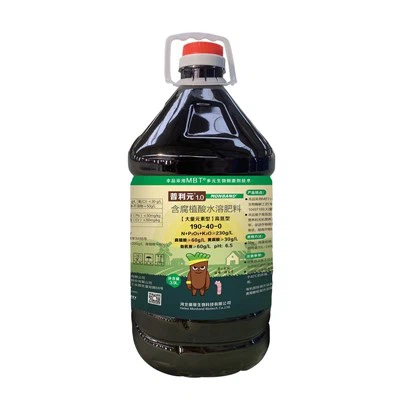
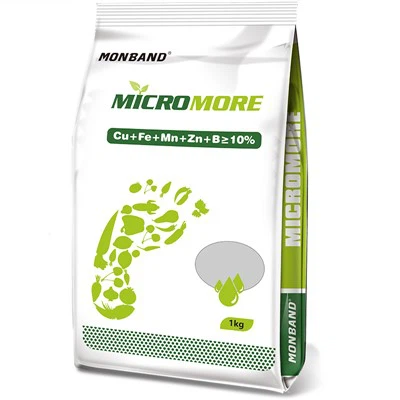
Iron is an essential micronutrient for plants, playing a crucial role in various physiological processes such as photosynthesis, respiration, and nitrogen fixation. Water soluble iron fertilizers are widely used to address iron deficiencies in plants, ensuring healthy growth and optimal yields. As a leading supplier of Water Soluble Iron For Plants, I've witnessed firsthand the transformative impact of our products on agricultural productivity. However, it's important to understand how water soluble iron affects soil pH, as this can significantly influence its effectiveness and the overall health of the soil ecosystem.
Understanding Soil pH
Soil pH is a measure of the acidity or alkalinity of the soil, ranging from 0 (highly acidic) to 14 (highly alkaline), with 7 being neutral. Different plants have different pH preferences, and maintaining the appropriate soil pH is essential for ensuring that plants can access the nutrients they need. Most plants prefer a slightly acidic to neutral soil pH, typically between 6.0 and 7.0.
Soil pH affects nutrient availability because many nutrients are more soluble and therefore more accessible to plants at certain pH levels. For example, iron is most available to plants in slightly acidic soils. In alkaline soils, iron can form insoluble compounds, making it less available for plant uptake. This can lead to iron deficiency symptoms in plants, such as yellowing of leaves (chlorosis), reduced growth, and decreased yields.


How Water Soluble Iron Affects Soil pH
Water soluble iron fertilizers are designed to provide plants with readily available iron. When applied to the soil, these fertilizers can have several effects on soil pH, depending on the type of iron compound used and the initial pH of the soil.
Acidifying Effects
Some water soluble iron fertilizers, such as iron sulfate (FeSO₄), can have an acidifying effect on the soil. Iron sulfate dissociates in water to release iron ions (Fe²⁺) and sulfate ions (SO₄²⁻). The sulfate ions can react with water to form sulfuric acid (H₂SO₄), which can lower the soil pH. This acidifying effect can be beneficial in alkaline soils, as it can increase the availability of iron and other nutrients by making them more soluble.
For example, in a study conducted on alkaline soils in arid regions, the application of iron sulfate significantly lowered the soil pH and increased the availability of iron to plants. This resulted in improved plant growth and increased yields compared to untreated soils.
Neutral or Slightly Alkaline Effects
Other water soluble iron fertilizers, such as iron chelates, may have a neutral or slightly alkaline effect on soil pH. Iron chelates are organic compounds that bind iron ions, preventing them from forming insoluble compounds in the soil. These fertilizers are often used in alkaline soils to provide plants with a stable source of iron.
Iron chelates are designed to maintain their stability and effectiveness over a wide range of soil pH values. While they may not significantly alter the soil pH, they can help to improve iron availability to plants by keeping the iron in a soluble and accessible form.
Short - Term vs. Long - Term Effects
The impact of water soluble iron fertilizers on soil pH can be both short - term and long - term. In the short term, the immediate release of iron and other ions from the fertilizer can cause a temporary change in soil pH. However, over the long term, the soil's natural buffering capacity can mitigate these changes.
Soil buffering capacity refers to the ability of the soil to resist changes in pH. Soils with high clay and organic matter content generally have a higher buffering capacity, meaning they can better withstand the acidifying or alkalizing effects of fertilizers. In contrast, sandy soils with low organic matter content have a lower buffering capacity and may be more susceptible to pH changes.
Implications for Plant Health and Fertility Management
Understanding how water soluble iron affects soil pH is crucial for effective fertility management and plant health. Here are some key implications:
Addressing Iron Deficiency
In alkaline soils, the acidifying effect of some water soluble iron fertilizers can be used to address iron deficiency. By lowering the soil pH, these fertilizers can increase the availability of iron to plants, reducing the symptoms of iron deficiency and improving plant growth.
However, it's important to monitor soil pH regularly when using acidifying fertilizers to avoid over - acidification, which can also have negative effects on plant health. For example, extremely acidic soils can make other nutrients, such as calcium and magnesium, less available to plants.
Choosing the Right Fertilizer
The choice of water soluble iron fertilizer should be based on the initial pH of the soil and the specific needs of the plants. In alkaline soils, iron chelates may be a better choice, as they can provide a stable source of iron without significantly altering the soil pH. In slightly acidic to neutral soils, iron sulfate or other acidifying fertilizers may be more appropriate to maintain optimal iron availability.
Compatibility with Other Fertilizers
When using water soluble iron fertilizers, it's important to consider their compatibility with other fertilizers. Some fertilizers may interact with iron fertilizers, affecting their effectiveness or altering the soil pH in unexpected ways. For example, the application of lime (calcium carbonate), which is commonly used to raise soil pH, can counteract the acidifying effect of iron sulfate.
The Role of Water Soluble Iron in a Balanced Fertility Program
In addition to addressing iron deficiency, water soluble iron fertilizers can be an important part of a balanced fertility program. They can be used in conjunction with other Micronutrients Water Soluble Fertilizers to ensure that plants receive all the essential nutrients they need for healthy growth.
For example, Water Soluble Zinc Fertilizer and Water Soluble Magnesium Fertilizer are also important micronutrients for plants. Zinc is involved in enzyme activation and hormone synthesis, while magnesium is a key component of chlorophyll. By using a combination of water soluble iron, zinc, and magnesium fertilizers, farmers can optimize plant nutrition and improve crop yields.
Conclusion
Water soluble iron fertilizers play a vital role in ensuring that plants have access to an adequate supply of iron. Understanding how these fertilizers affect soil pH is essential for effective fertility management and plant health. By choosing the right fertilizer based on soil pH and plant needs, and by incorporating water soluble iron into a balanced fertility program, farmers can improve the availability of iron and other nutrients, leading to healthier plants and higher yields.
If you're interested in learning more about our Water Soluble Iron For Plants or have questions about how it can fit into your soil fertility management plan, we encourage you to reach out. Our team of experts is ready to assist you in making the best choices for your agricultural needs. Contact us to start a discussion about your specific requirements and explore how our products can help you achieve your farming goals.
References
- Marschner, H. (1995). Mineral Nutrition of Higher Plants. Academic Press.
- Lindsay, W. L. (1979). Chemical Equilibria in Soils. John Wiley & Sons.
- Mengel, K., & Kirkby, E. A. (2001). Principles of Plant Nutrition. Kluwer Academic Publishers.