Hey there! I'm a supplier of water soluble calcium fertilizer, and I've been getting a lot of questions lately about how this type of fertilizer affects the transpiration rate of plants. So, I thought I'd take a deep dive into this topic and share what I've learned.
First off, let's talk about what transpiration is. Transpiration is basically the process where plants lose water through their leaves. It's like how we humans sweat to cool down. For plants, transpiration helps them move water and nutrients from the roots up to the rest of the plant, and it also plays a role in keeping the plant cool.
Now, let's get into how water soluble calcium fertilizer comes into play. Calcium is an essential nutrient for plants. It's involved in a bunch of important processes, like cell wall formation, cell division, and enzyme activation. When plants have enough calcium, their cell walls are stronger, which can have a big impact on transpiration.
One of the main ways water soluble calcium fertilizer affects transpiration is by influencing the stomata. Stomata are tiny pores on the surface of leaves that open and close to allow for gas exchange (taking in carbon dioxide and releasing oxygen) and water vapor to escape. When plants are stressed or lacking in certain nutrients, the stomata may not function properly.
Calcium helps regulate the opening and closing of stomata. With the right amount of calcium from water soluble calcium fertilizer, the stomata can open and close more efficiently. This means that plants can control their water loss better. For example, during hot and dry conditions, the stomata can close more tightly to prevent excessive water loss through transpiration. On the other hand, when there's enough water available and the plant needs to take in carbon dioxide for photosynthesis, the stomata can open wider.
Another aspect is that calcium can improve the overall health of the plant. A healthy plant is better able to manage its water balance. When plants are well - nourished with calcium, they are more resistant to diseases and pests. This reduces the chances of damage to the leaves, which in turn helps maintain normal transpiration rates. If a plant is infected with a disease or attacked by pests, it may have damaged stomata or disrupted water transport systems, leading to abnormal transpiration.
Let's take tomatoes as an example. Tomatoes are quite sensitive to calcium deficiency. If they don't get enough calcium, they can develop a condition called blossom - end rot. This not only affects the fruit quality but also the overall health of the plant. Using Water Soluble Calcium for Tomatoes can help prevent such problems. By ensuring that the tomato plants have enough calcium, the stomata function properly, and the plants can transpire at a normal rate, which is crucial for their growth and fruit production.
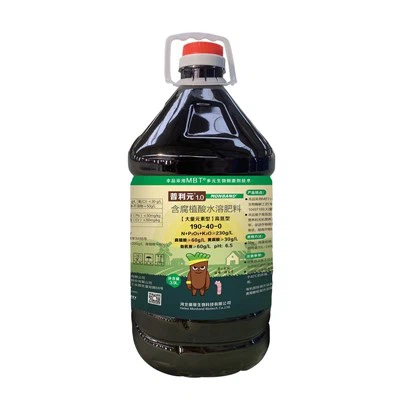
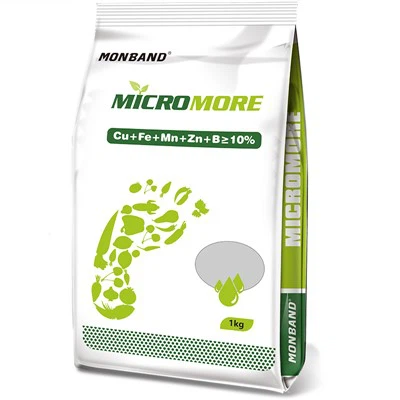
Now, medium element water - soluble fertilizers, like the ones I supply, often contain calcium along with other important nutrients. These Medium Element Water - soluble Fertilizer can provide a balanced diet for plants. The combination of calcium with other elements can have synergistic effects on plant health and transpiration. For instance, magnesium, which is often present in these fertilizers, is also involved in photosynthesis. When plants are photosynthesizing efficiently, they can better regulate their water use and transpiration.


The Soluble Calcium Fertilizer I offer is formulated to be easily absorbed by plants. It dissolves quickly in water, which means that the calcium can be readily available to the plant roots. Once absorbed, the calcium can be transported throughout the plant to where it's needed, especially to the leaves where transpiration occurs.
In some cases, over - application of water soluble calcium fertilizer can also have an impact on transpiration. If there's too much calcium in the soil, it can disrupt the balance of other nutrients. This can lead to nutrient imbalances in the plant, which may affect the normal functioning of the stomata and other physiological processes. So, it's important to follow the recommended application rates.
When it comes to different plant species, they may respond differently to water soluble calcium fertilizer in terms of transpiration. Some plants may be more sensitive to calcium levels, while others may have a higher tolerance. For example, leafy greens may have different transpiration responses compared to fruit - bearing plants. But in general, most plants can benefit from a proper supply of calcium to maintain healthy transpiration rates.
In addition to the direct effects on stomata and plant health, water soluble calcium fertilizer can also influence the soil environment. Calcium can improve soil structure by binding soil particles together. This creates better pore spaces in the soil, which allows for better water infiltration and root growth. When roots can grow more easily and access water and nutrients, the plant is better able to manage its transpiration.
So, if you're a gardener, a farmer, or someone involved in plant cultivation, understanding how water soluble calcium fertilizer affects transpiration is really important. It can help you make better decisions about fertilization and plant care. By using the right amount of water soluble calcium fertilizer, you can ensure that your plants are healthy, have normal transpiration rates, and ultimately produce better yields.
If you're interested in learning more about our water soluble calcium fertilizer or want to discuss your specific plant needs, I'd love to have a chat with you. Whether you're growing tomatoes, leafy greens, or any other type of plant, our products can make a difference. Just reach out, and we can start a conversation about how to optimize your plant growth and manage transpiration effectively.
References
- Marschner, H. (1995). Mineral Nutrition of Higher Plants. Academic Press.
- Taiz, L., & Zeiger, E. (2010). Plant Physiology. Sinauer Associates.