Micronutrient fertilizers and macronutrient fertilizers play crucial roles in modern agriculture, yet they differ significantly in terms of their chemical composition, functions, application rates, and impacts on plant growth. As a supplier of micronutrient fertilizers, I have witnessed firsthand the distinct characteristics and benefits of these two types of fertilizers. In this blog, I will delve into the differences between micronutrient and macronutrient fertilizers to help you make informed decisions for your agricultural needs.
Chemical Composition
One of the most fundamental differences between micronutrient and macronutrient fertilizers lies in their chemical composition. Macronutrients are elements that plants require in relatively large quantities for normal growth and development. The primary macronutrients include nitrogen (N), phosphorus (P), and potassium (K), often referred to as NPK. These elements are essential for various physiological processes in plants, such as photosynthesis, energy transfer, and cell division.
In addition to NPK, secondary macronutrients such as calcium (Ca), magnesium (Mg), and sulfur (S) are also required by plants in moderate amounts. These elements contribute to the structural integrity of plant cells, enzyme activation, and the synthesis of important biomolecules.
On the other hand, micronutrients are elements that plants need in much smaller quantities, typically in the range of parts per million (ppm). The essential micronutrients include iron (Fe), zinc (Zn), manganese (Mn), copper (Cu), boron (B), molybdenum (Mo), and chlorine (Cl). Despite their low requirements, micronutrients are equally important for plant health and productivity. They participate in a wide range of biochemical reactions, including enzyme catalysis, hormone synthesis, and the regulation of gene expression.
As a micronutrient fertilizer supplier, I offer a variety of products that are rich in these essential micronutrients. For example, our Water Soluble Iron Fertilizer provides plants with a readily available source of iron, which is crucial for chlorophyll synthesis and photosynthesis. Our Water Soluble Zinc Fertilizer helps to improve plant growth and development by enhancing enzyme activity and promoting the synthesis of growth hormones.
Functions in Plant Growth
The functions of micronutrient and macronutrient fertilizers in plant growth are distinct but complementary. Macronutrients are primarily involved in the overall growth and development of plants, including the formation of leaves, stems, roots, and flowers. Nitrogen, for instance, is a key component of amino acids, proteins, and chlorophyll, which are essential for plant growth and photosynthesis. Phosphorus is involved in energy transfer and storage, as well as the synthesis of nucleic acids and cell membranes. Potassium plays a vital role in osmoregulation, enzyme activation, and the regulation of stomatal opening and closing.
Micronutrients, on the other hand, have more specific functions in plant metabolism. Iron, for example, is required for the synthesis of chlorophyll and the functioning of various enzymes involved in respiration and photosynthesis. Zinc is essential for the activity of many enzymes, including those involved in protein synthesis, carbohydrate metabolism, and hormone regulation. Boron is important for cell wall formation, pollen germination, and fruit development.
In many cases, the deficiency of a single micronutrient can have a significant impact on plant health and productivity, even if the plant has an adequate supply of macronutrients. For example, iron deficiency can lead to chlorosis, a condition characterized by yellowing of the leaves due to a lack of chlorophyll. Zinc deficiency can result in stunted growth, reduced fertility, and poor fruit quality. Therefore, it is essential to ensure that plants have access to an adequate supply of both macronutrients and micronutrients.
Application Rates
Another important difference between micronutrient and macronutrient fertilizers is the application rates. Due to their high requirements, macronutrients are typically applied in relatively large amounts. For example, in a typical agricultural setting, nitrogen fertilizers may be applied at rates of 100-200 kg per hectare, depending on the crop type and soil conditions. Phosphorus and potassium fertilizers are also applied at similar rates to meet the plant's needs.
In contrast, micronutrients are applied in much smaller quantities. The recommended application rates for micronutrient fertilizers are usually in the range of a few kilograms per hectare or even less. This is because plants only require trace amounts of these elements, and excessive application can lead to toxicity and environmental pollution.
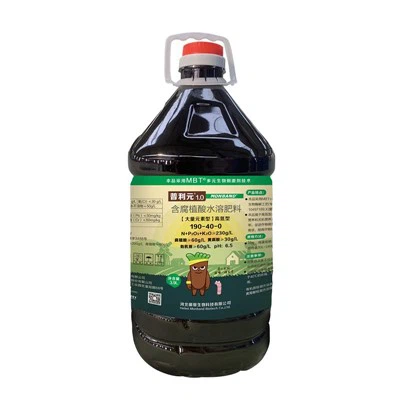
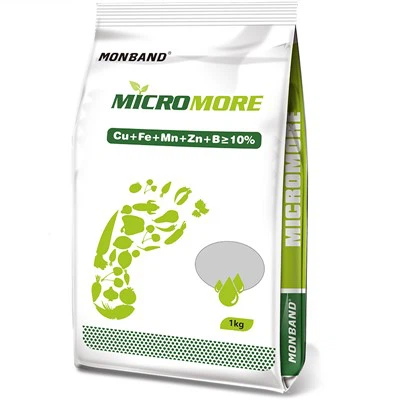
As a micronutrient fertilizer supplier, I provide detailed application guidelines for each of our products to ensure that farmers and growers apply the fertilizers at the appropriate rates. Our Water Soluble Fertilizer with Micronutrients is formulated to provide a balanced supply of micronutrients in a soluble form, making it easy to apply through irrigation systems or foliar sprays.
Soil Availability and Nutrient Uptake
The availability of micronutrient and macronutrient fertilizers in the soil and their uptake by plants are also influenced by different factors. Macronutrients are generally more abundant in the soil, but their availability can be affected by soil pH, organic matter content, and the presence of other nutrients. For example, in acidic soils, phosphorus can be fixed by iron and aluminum oxides, making it less available to plants. In alkaline soils, potassium can be leached more easily, leading to deficiency.
Micronutrients, on the other hand, are often present in the soil in limited amounts, and their availability is highly dependent on soil pH, redox potential, and the presence of chelating agents. For example, iron is more available in acidic soils, while zinc is more available in neutral to slightly acidic soils. Chelating agents can help to improve the availability of micronutrients by preventing them from being fixed by soil particles and making them more accessible to plants.
As a micronutrient fertilizer supplier, I understand the importance of soil conditions in nutrient availability and uptake. Our products are formulated to be highly soluble and readily available to plants, even in soils with unfavorable conditions. We also offer soil testing services to help farmers and growers determine the nutrient status of their soils and make informed decisions about fertilizer application.
Impact on Crop Quality and Yield
The use of micronutrient and macronutrient fertilizers can have a significant impact on crop quality and yield. Macronutrients are essential for achieving high yields by promoting plant growth and development. Adequate supplies of nitrogen, phosphorus, and potassium can increase the number of leaves, stems, and fruits, as well as improve the overall size and weight of the crops.
Micronutrients, on the other hand, can have a profound effect on crop quality. They can enhance the nutritional value of the crops by increasing the content of vitamins, minerals, and antioxidants. For example, the addition of zinc to wheat can improve its protein content and nutritional quality. The application of boron to fruits and vegetables can enhance their flavor, color, and shelf life.
In many cases, the combined use of micronutrient and macronutrient fertilizers can result in synergistic effects, leading to higher yields and better crop quality. By providing plants with a balanced supply of all the essential nutrients, farmers and growers can optimize plant growth and development, reduce the risk of nutrient deficiencies and diseases, and improve the overall profitability of their operations.
Conclusion
In conclusion, micronutrient and macronutrient fertilizers differ significantly in terms of their chemical composition, functions, application rates, soil availability, and impact on plant growth and development. While macronutrients are required in large quantities for overall plant growth, micronutrients are essential for specific metabolic processes and play a crucial role in plant health and productivity.
As a micronutrient fertilizer supplier, I am committed to providing high-quality products and expert advice to help farmers and growers meet the nutritional needs of their crops. Our range of micronutrient fertilizers, including Water Soluble Iron Fertilizer, Water Soluble Zinc Fertilizer, and Water Soluble Fertilizer with Micronutrients, are designed to provide plants with a balanced supply of essential micronutrients, even in challenging soil conditions.


If you are interested in learning more about our micronutrient fertilizers or would like to discuss your specific agricultural needs, please feel free to contact us. Our team of experts is always ready to assist you in making the right fertilizer choices for your crops and maximizing your yields and profits.
References
- Marschner, H. (2012). Mineral Nutrition of Higher Plants. Academic Press.
- Alloway, B. J. (2008). Micronutrients in Agriculture. Second Edition. Soil Science Society of America.
- Havlin, J. L., Tisdale, S. L., Nelson, W. L., & Beaton, J. D. (2005). Soil Fertility and Fertilizers: An Introduction to Nutrient Management. Pearson Prentice Hall.