Hey there, fellow gardening enthusiasts and farmers! I'm a supplier of Fertilizer with Humic Acid, and I've been getting a lot of questions lately about how this type of fertilizer affects the color of leaves. So, I thought I'd take a deep dive into this topic and share what I've learned over the years.
First off, let's talk about what humic acid is. Humic acid is a natural organic substance that's found in soil, peat, and other organic materials. It's formed through the decomposition of plant and animal matter over time. When we add humic acid to fertilizer, it brings a whole bunch of benefits to the table.
One of the key ways humic acid affects leaf color is by improving nutrient uptake. You see, plants need a variety of nutrients like nitrogen, phosphorus, and potassium to grow healthy and strong. But sometimes, these nutrients can get locked up in the soil and become unavailable to the plants. That's where humic acid comes in. It acts like a chelating agent, which means it binds to these nutrients and makes them easier for the plants to absorb.
For example, nitrogen is super important for leaf growth and gives leaves their vibrant green color. When plants can't get enough nitrogen, the leaves start to turn yellow. But when you use a Fertilizer with Humic Acid, it helps the plants take up more nitrogen, resulting in darker, greener leaves. It's like giving your plants a nutrient boost that they can actually use.
Another way humic acid impacts leaf color is by enhancing photosynthesis. Photosynthesis is the process by which plants use sunlight to make food. Chlorophyll, the green pigment in leaves, is crucial for this process. Humic acid helps increase the production of chlorophyll in plants. More chlorophyll means more efficient photosynthesis, and that leads to better overall plant health and, you guessed it, greener leaves.
It also improves the soil structure. When the soil is well - structured, it has better aeration and drainage. This allows the plant roots to breathe and access water and nutrients more easily. A healthy root system is the foundation for a healthy plant, and healthy plants have better - colored leaves. For instance, in compacted soil, roots can't grow properly, and the plant may show signs of nutrient deficiency, which can affect leaf color. But with the addition of humic acid in the fertilizer, the soil becomes looser and more friable, promoting root growth and ultimately better leaf color.
Let's take a look at some specific examples. In my experience, when farmers switch from using regular fertilizers to Humic Organic Fertilizer, they often notice a significant difference in the color of their crops' leaves. For example, in a wheat field, the leaves of the wheat plants treated with humic acid fertilizer are a rich, deep green compared to those treated with just a basic nitrogen - phosphorus - potassium fertilizer. The same goes for vegetable gardens. Tomatoes, cucumbers, and lettuce all have brighter, more vibrant leaves when grown with humic acid - containing fertilizers.
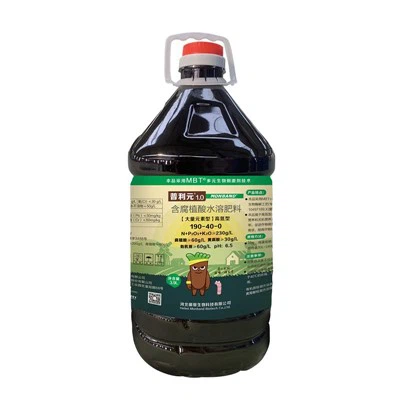
There are also different types of humic acid fertilizers, like Humic Liquid Fertilizer. Liquid fertilizers are great because they can be quickly absorbed by the plants. They're also easy to apply, whether you're using a sprayer for foliar application or adding it to your irrigation system. When you use a humic liquid fertilizer, the plants can start showing the effects on leaf color in a relatively short period.
But it's not just about making the leaves greener. Humic acid can also help prevent leaf discoloration due to stress. Plants can face all sorts of stressors, like drought, extreme temperatures, and pests. When a plant is under stress, it can start to lose its healthy color. Humic acid helps the plants become more resilient to these stressors. It stimulates the production of antioxidants in the plants, which protect the cells from damage. So, even in tough conditions, the leaves are more likely to maintain their color and stay healthy.
Now, I know some of you might be wondering about the application rates. Well, it really depends on the type of plant, the soil conditions, and the specific fertilizer you're using. In general, it's a good idea to follow the instructions on the fertilizer package. But as a rough guide, for most garden plants, you can start with a lower application rate and gradually increase it if you don't see the desired results.
In conclusion, Fertilizer with Humic Acid has a profound impact on the color of leaves. It improves nutrient uptake, enhances photosynthesis, improves soil structure, and helps plants withstand stress. Whether you're a small - scale gardener or a large - scale farmer, using humic acid fertilizers can make a big difference in the appearance and health of your plants.
If you're interested in trying out our high - quality humic acid fertilizers, I'd love to have a chat with you. We can discuss your specific needs and find the best fertilizer solution for your plants. Don't hesitate to reach out and start a conversation about how we can work together to get those beautiful, vibrant leaves in your garden or fields.
References


- Brady, N. C., & Weil, R. R. (2002). The nature and properties of soils. Prentice Hall.
- Stevenson, F. J. (1994). Humus chemistry: genesis, composition, reactions. Wiley - Interscience.