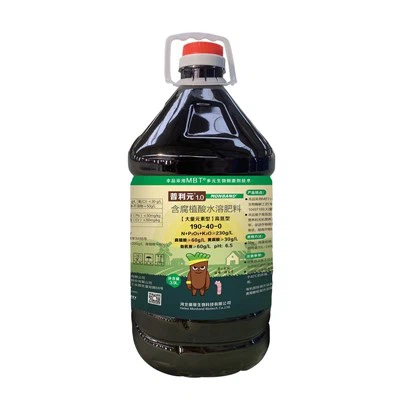
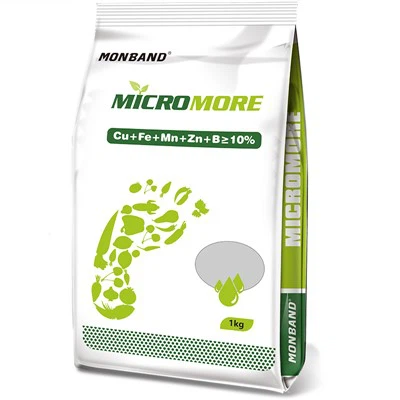
Drought is one of the most significant environmental stresses that plants face, severely limiting crop productivity and ecological stability worldwide. As a supplier of fertilizer with humic acid, I've been constantly exploring the potential of our products in enhancing plants' drought tolerance. In this blog, I'll delve into the scientific basis, practical evidence, and implications of using humic acid fertilizers to help plants better withstand drought conditions.
The Science Behind Humic Acid and Drought Tolerance
Humic acid is a complex mixture of organic compounds that are formed during the decomposition of plant and animal residues. It is a key component of soil organic matter and plays a crucial role in soil fertility and plant health. There are several mechanisms through which humic acid can enhance the drought tolerance of plants.
1. Improving Soil Structure and Water - Holding Capacity
Humic acid acts as a soil conditioner. It helps to aggregate soil particles, creating larger pore spaces in the soil. These larger pores allow for better water infiltration and reduce surface runoff. At the same time, humic acid has a high cation - exchange capacity (CEC), which means it can hold onto water molecules and nutrients. This property enables the soil to retain more water, making it available to plants for a longer period during drought conditions. For example, in sandy soils, which typically have poor water - holding capacity, the addition of humic acid can significantly increase the amount of water that the soil can hold, reducing the frequency of irrigation required.
2. Stimulating Root Growth
Humic acid can stimulate root development in plants. It promotes the elongation of roots and the formation of lateral roots, resulting in a more extensive and efficient root system. A well - developed root system can explore a larger volume of soil, allowing plants to access water from deeper soil layers during drought. Studies have shown that plants treated with humic acid fertilizers have longer and more branched roots compared to untreated plants. This enhanced root architecture gives plants a better chance of surviving in water - scarce environments.
3. Enhancing Plant Physiological Processes
Humic acid can also influence various physiological processes in plants that are related to drought tolerance. It can increase the activity of antioxidant enzymes in plants, such as superoxide dismutase (SOD), catalase (CAT), and peroxidase (POD). These enzymes help to scavenge reactive oxygen species (ROS) that are produced in plants under drought stress. By reducing the damage caused by ROS, humic acid helps to maintain the integrity of plant cells and tissues.
Moreover, humic acid can regulate the stomatal behavior of plants. Stomata are small pores on the surface of leaves that control the exchange of water vapor and carbon dioxide. During drought, plants close their stomata to reduce water loss through transpiration. Humic acid can help plants to optimize stomatal closure, allowing them to conserve water while still maintaining a certain level of photosynthesis.
Practical Evidence of Humic Acid Fertilizer's Effect on Drought Tolerance
Numerous field and laboratory studies have provided evidence of the positive impact of humic acid fertilizers on plant drought tolerance.

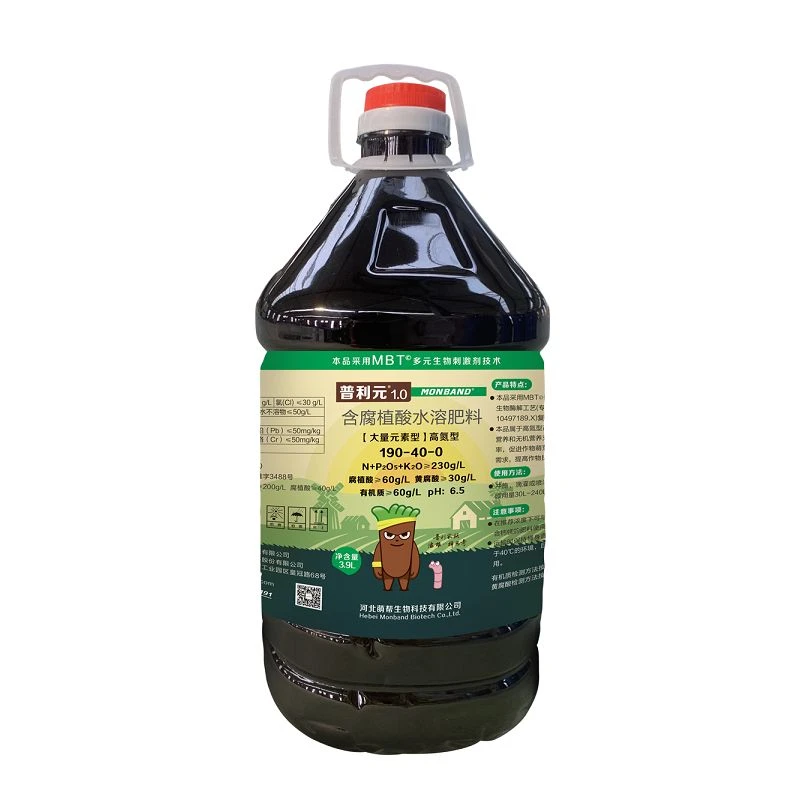
In agricultural fields, farmers have reported that using Bio Humic Fertilizer can improve crop yields during drought years. For instance, in wheat fields, the application of humic acid - based fertilizers led to a significant increase in grain yield compared to fields where no humic acid was used. The treated wheat plants showed better growth, less wilting, and higher photosynthetic rates under drought stress.
In horticultural crops, such as tomatoes and peppers, the use of Humic Acid Organic Fertilizer has been shown to enhance fruit quality and yield during drought periods. The plants had a higher resistance to diseases and pests, which are often more prevalent in stressed plants.
Laboratory experiments have also confirmed the beneficial effects of humic acid on plant drought tolerance. Researchers have conducted studies on model plants, such as Arabidopsis thaliana, to understand the molecular mechanisms underlying the action of humic acid. These studies have shown that humic acid can up - regulate the expression of genes related to drought tolerance, such as genes involved in osmotic adjustment and stress - response pathways.
Our Product Range and Their Role in Drought Mitigation
As a supplier of humic acid fertilizers, we offer a diverse range of products that are specifically formulated to enhance plant drought tolerance.
Our Bio Humic Fertilizer is a unique blend of humic acid, beneficial microorganisms, and other organic substances. The beneficial microorganisms in this fertilizer can further improve soil fertility and plant health. They can break down organic matter in the soil, releasing nutrients and improving soil structure. This combination of humic acid and microorganisms provides a synergistic effect, enhancing the ability of plants to withstand drought.
The Humic Acid Organic Fertilizer is rich in natural humic acid extracted from high - quality organic sources. It is suitable for a wide range of crops, including cereals, vegetables, and fruits. This fertilizer not only improves soil water - holding capacity but also provides essential nutrients to plants, promoting their growth and development under drought conditions.
Our Humic Liquid Fertilizer is a convenient and efficient way to apply humic acid to plants. It can be easily mixed with water and applied through irrigation systems or foliar spraying. The liquid form allows for quick absorption by plants, enabling them to respond rapidly to drought stress.
Implications for Agriculture and the Environment
The use of humic acid fertilizers to enhance plant drought tolerance has significant implications for agriculture and the environment.
From an agricultural perspective, it can help farmers to reduce their dependence on irrigation water, especially in regions where water is scarce. This not only saves water resources but also reduces the cost of production. Moreover, by improving crop yields during drought periods, humic acid fertilizers can contribute to food security.
From an environmental point of view, the use of humic acid fertilizers is more sustainable compared to traditional chemical fertilizers. Humic acid is a natural and renewable resource that can improve soil health in the long term. It reduces the leaching of nutrients into groundwater and minimizes the negative impact of agriculture on the environment.
Contact Us for Procurement and Collaboration
If you are interested in learning more about our humic acid fertilizers and how they can enhance the drought tolerance of your plants, we encourage you to reach out to us. Whether you are a large - scale farmer, a horticulturist, or a garden enthusiast, our products can provide effective solutions for your drought - related challenges. We are committed to providing high - quality fertilizers and excellent customer service. Let's work together to improve plant health and productivity in the face of drought.
References
- Chen, Y., & Aviad, T. (1990). The influence of humic substances on plant growth. In Humic substances in soil and crop sciences: Selected readings (pp. 163 - 190). American Society of Agronomy.
- Nardi, S., Pizzeghello, D., Muscolo, A., & Varanini, Z. (2002). The role of humic substances in plant growth. Biology and Fertility of Soils, 35(4), 227 - 235.
- Zhang, R., Kong, C., & Hu, X. (2019). Humic acid alleviates drought stress in maize seedlings by regulating antioxidant defense and osmotic adjustment. Journal of Plant Growth Regulation, 38(2), 465 - 474.