As a seasoned supplier of Soluble Calcium Fertilizer, I often get asked by gardening enthusiasts and small - scale farmers if it's possible to make soluble calcium fertilizer at home. In this blog, I'll delve into the feasibility of this idea, the science behind it, and the potential benefits and drawbacks.
The Science of Soluble Calcium Fertilizer
Calcium is an essential macronutrient for plants. It plays a crucial role in cell wall structure, membrane integrity, and enzyme activation. Soluble calcium fertilizers are formulated to provide plants with readily available calcium, which can be easily absorbed through the roots or foliage.
In commercial soluble calcium fertilizers, the calcium is usually in the form of calcium nitrate, calcium chloride, or calcium chelates. These compounds are highly soluble in water, ensuring that the calcium can be quickly and efficiently delivered to the plants.
Can You Make Soluble Calcium Fertilizer at Home?
The short answer is yes, it is possible to make a basic form of soluble calcium fertilizer at home. However, there are several factors to consider.
Materials and Sources of Calcium
One of the most common sources of calcium for homemade fertilizers is eggshells. Eggshells are composed mainly of calcium carbonate (CaCO₃). To make a soluble form of calcium from eggshells, you first need to clean and dry them thoroughly. Crush the eggshells into a fine powder.
Another option is limestone or gypsum. Limestone is also calcium carbonate, while gypsum is calcium sulfate (CaSO₄). These materials can be found in garden centers or quarries.
The Process of Making Soluble Calcium
If you're using eggshells, you need to convert the calcium carbonate into a more soluble form. One way to do this is by reacting the eggshell powder with an acid. Vinegar, which contains acetic acid (CH₃COOH), is a readily available and safe option.
Mix the crushed eggshell powder with vinegar in a container. The reaction between calcium carbonate and acetic acid will produce calcium acetate (Ca(CH₃COO)₂), water (H₂O), and carbon dioxide (CO₂). The chemical equation for this reaction is:
CaCO₃ + 2CH₃COOH → Ca(CH₃COO)₂+ H₂O + CO₂↑
Let the mixture sit for a few days, stirring occasionally. After the reaction is complete, you'll have a solution of calcium acetate, which is more soluble than calcium carbonate.
If you're using limestone or gypsum, they may require more complex treatment to make them highly soluble. For example, limestone may need to be treated with acid to convert it into a soluble form similar to the eggshell process.
Limitations of Homemade Soluble Calcium Fertilizers
While homemade soluble calcium fertilizers can provide some calcium to plants, they have several limitations.
Firstly, the concentration of calcium in homemade fertilizers is often difficult to control. In commercial fertilizers, the exact amount of calcium and other nutrients is precisely measured and formulated. In homemade fertilizers, it's challenging to determine the exact concentration of calcium, which may lead to over - or under - fertilization.
Secondly, homemade fertilizers may lack other essential nutrients. Commercial soluble calcium fertilizers are often formulated to include other macronutrients (such as nitrogen, phosphorus, and potassium) and micronutrients (such as iron, zinc, and manganese). These nutrients work synergistically to support plant growth. Homemade fertilizers may not provide a balanced nutrient profile.
Comparing Homemade and Commercial Soluble Calcium Fertilizers
Commercial soluble calcium fertilizers offer several advantages over homemade ones.
Nutrient Balance
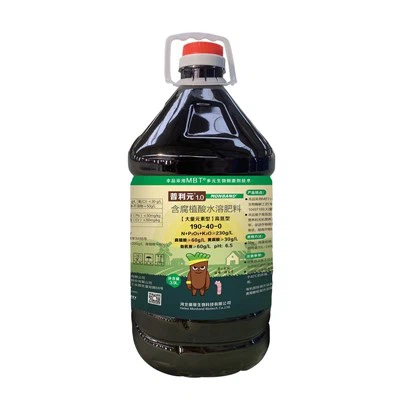
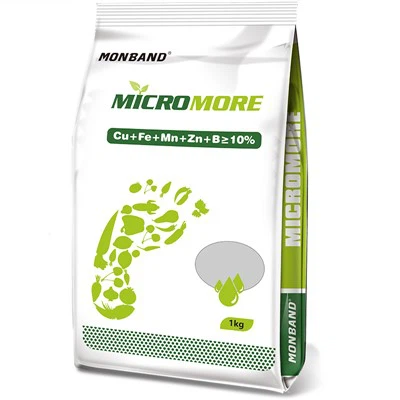
As mentioned earlier, commercial fertilizers are formulated to provide a balanced mix of nutrients. For example, Medium Element Water - soluble Fertilizer contains not only calcium but also other medium elements like magnesium, which are essential for plant growth.
Solubility and Efficiency
Commercial fertilizers are designed to have high solubility and rapid nutrient release. They are often produced using advanced manufacturing processes that ensure the calcium is in a form that can be quickly absorbed by plants. For instance, Water Soluble Calcium for Tomatoes is specifically formulated for the unique nutrient requirements of tomato plants, providing them with the right amount of calcium at the right time.
Quality and Consistency
Commercial fertilizers are produced under strict quality control standards. This ensures that each batch of fertilizer has the same nutrient content and quality. In contrast, the quality of homemade fertilizers can vary widely depending on the source of materials and the manufacturing process.
Cost - effectiveness
Although homemade fertilizers may seem cost - effective at first glance, when you consider the time and effort involved in sourcing materials, processing them, and ensuring proper nutrient balance, commercial fertilizers can actually be more cost - effective in the long run.
When Homemade Fertilizers Can Be Useful
Despite their limitations, homemade soluble calcium fertilizers can still have a place in gardening.


For small - scale gardens or potted plants, homemade fertilizers can be a good option for a quick and inexpensive source of calcium. They can also be a fun and educational project for gardening enthusiasts, especially for those who are interested in sustainable and organic gardening practices.
Conclusion and Call to Action
In conclusion, while it is possible to make soluble calcium fertilizer at home, it has its limitations compared to commercial products. Commercial soluble calcium fertilizers offer a more balanced nutrient profile, better solubility, and consistent quality.
If you're a large - scale farmer or a serious gardener looking for reliable and high - quality soluble calcium fertilizers, consider our range of products. We offer a variety of soluble calcium fertilizers that are tailored to different plant types and growing conditions. Whether you're growing tomatoes, leafy greens, or fruit trees, our Water Soluble Calcium for Tomatoes and other products can meet your needs.
If you're interested in learning more about our products or have any questions about soluble calcium fertilizers, please reach out. We're here to help you make the best choices for your plants.
References
- Brady, N. C., & Weil, R. R. (2008). The Nature and Properties of Soils. Pearson Prentice Hall.
- Marschner, H. (2012). Mineral Nutrition of Higher Plants. Academic Press.