Molybdenum (Mo) is an essential micronutrient for plants, playing a crucial role in various physiological processes. As a micronutrient fertilizer supplier, understanding the role of molybdenum in plant nutrition is fundamental to providing effective products and services to farmers and growers. In this blog post, we'll delve into the significance of molybdenum in micronutrient fertilizers, its functions in plants, deficiency symptoms, and how our products can address these needs.
The Significance of Molybdenum in Plant Nutrition
Molybdenum is required by plants in extremely small quantities, yet its impact on plant health and productivity is profound. It is a component of several enzymes that are involved in key metabolic reactions, including nitrogen metabolism, sulfur metabolism, and the synthesis of certain plant hormones. Unlike some other micronutrients, molybdenum availability in the soil is highly dependent on soil pH, with higher availability in alkaline soils and lower availability in acidic soils.
Functions of Molybdenum in Plants
Nitrogen Fixation and Assimilation
One of the most critical roles of molybdenum in plants is its involvement in nitrogen fixation and assimilation. Molybdenum is a key component of the enzyme nitrogenase, which is responsible for converting atmospheric nitrogen (N₂) into ammonia (NH₃) in leguminous plants. This process, known as biological nitrogen fixation, is essential for the growth and development of legumes and for maintaining soil fertility.
In non-leguminous plants, molybdenum is also required for the activity of nitrate reductase, an enzyme that converts nitrate (NO₃⁻) into nitrite (NO₂⁻) and then into ammonia. This process is crucial for the assimilation of nitrogen from the soil and the synthesis of amino acids, proteins, and other nitrogen-containing compounds in plants.
Sulfur Metabolism
Molybdenum is also involved in sulfur metabolism in plants. It is a component of the enzyme sulfite oxidase, which catalyzes the oxidation of sulfite (SO₃²⁻) to sulfate (SO₄²⁻). Sulfate is an essential nutrient for plants, required for the synthesis of sulfur-containing amino acids, proteins, and other important compounds.
Hormone Synthesis
Molybdenum plays a role in the synthesis of certain plant hormones, including abscisic acid (ABA) and ethylene. ABA is involved in regulating plant responses to environmental stress, such as drought, salinity, and cold. Ethylene is a gaseous plant hormone that regulates various physiological processes, including fruit ripening, senescence, and stress responses.
Deficiency Symptoms of Molybdenum in Plants
Molybdenum deficiency can have significant impacts on plant growth and development. The symptoms of molybdenum deficiency vary depending on the plant species and the severity of the deficiency. However, some common symptoms include:
- Chlorosis: Yellowing of the leaves, particularly between the veins, is a common symptom of molybdenum deficiency. This is due to the reduced synthesis of chlorophyll, the green pigment in plants that is essential for photosynthesis.
- Stunted Growth: Molybdenum deficiency can cause stunted growth in plants, as the reduced availability of nitrogen and other nutrients limits cell division and expansion.
- Leaf Deformation: In severe cases of molybdenum deficiency, the leaves may become distorted or curled, and the plant may exhibit abnormal growth patterns.
- Poor Flowering and Fruit Set: Molybdenum deficiency can also affect flowering and fruit set in plants, leading to reduced yields and poor-quality fruits.
Addressing Molybdenum Deficiency with Micronutrient Fertilizers
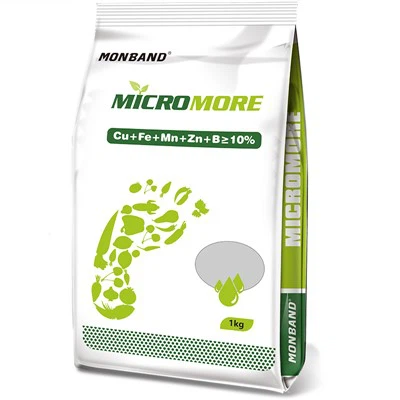
As a micronutrient fertilizer supplier, we offer a range of products that can help address molybdenum deficiency in plants. Our Water Soluble Micronutrients For Plants are formulated to provide a balanced supply of essential micronutrients, including molybdenum, in a readily available form. These products can be applied through various methods, including foliar spraying, soil application, and fertigation, depending on the specific needs of the plants and the soil conditions.
In addition to our general micronutrient fertilizers, we also offer Water Soluble Iron For Plants and Water Soluble Zinc Fertilizer, which can be used in combination with molybdenum fertilizers to provide a comprehensive solution for plant nutrition. Iron and zinc are also essential micronutrients for plants, and their availability can affect the uptake and utilization of molybdenum and other nutrients.


The Importance of Balanced Nutrition
While molybdenum is essential for plant growth and development, it is important to note that it is just one of many micronutrients required by plants. A balanced supply of all essential nutrients, including macronutrients (such as nitrogen, phosphorus, and potassium) and micronutrients (such as iron, zinc, copper, manganese, boron, and molybdenum), is crucial for optimal plant health and productivity.
Our team of experts can provide customized nutrient management solutions based on the specific needs of your crops, soil conditions, and farming practices. By working with us, you can ensure that your plants receive the right amount of nutrients at the right time, leading to improved yields, better-quality crops, and reduced environmental impact.
Contact Us for More Information
If you have any questions about the role of molybdenum in micronutrient fertilizers or would like to learn more about our products and services, please don't hesitate to contact us. Our team of experts is available to provide you with personalized advice and support to help you achieve your farming goals.
References
- Marschner, H. (2012). Mineral Nutrition of Higher Plants. Academic Press.
- Mengel, K., & Kirkby, E. A. (2001). Principles of Plant Nutrition. Kluwer Academic Publishers.
- Epstein, E., & Bloom, A. J. (2005). Mineral Nutrition of Plants: Principles and Perspectives. Sinauer Associates.