Yo, folks! As a supplier of humic fulvic acid fertilizer, I've seen firsthand the amazing impact this stuff can have on reducing nutrient leaching. So, let's dive right into what role humic fulvic acid fertilizer plays in this crucial aspect of agriculture.
First off, what's nutrient leaching? Well, it's basically when water washes away nutrients from the soil. This is a huge problem for farmers because those nutrients are what plants need to grow healthy and strong. When they get washed out, it not only means a loss of money for the farmers who've invested in fertilizers but also can lead to environmental issues like water pollution.
So, how does humic fulvic acid fertilizer come into the picture? Humic and fulvic acids are natural organic substances that are found in soil, peat, and other organic materials. When we extract them and turn them into fertilizers, they work wonders for the soil and plants.
One of the key ways humic fulvic acid fertilizer helps reduce nutrient leaching is by improving the soil structure. You see, these acids act like a glue that binds soil particles together. This creates larger soil aggregates, which have bigger pores. These bigger pores allow water to infiltrate the soil more easily, but at the same time, they also slow down the movement of water through the soil. As a result, nutrients have more time to be absorbed by the plant roots instead of getting washed away.
Another important function is that humic and fulvic acids can chelate or bind to nutrients. They form complexes with essential nutrients like nitrogen, phosphorus, and potassium. This binding action makes the nutrients more stable in the soil and less likely to be leached out. For example, nitrogen is a highly mobile nutrient in the soil. It can easily dissolve in water and be carried away. But when it's bound to humic or fulvic acid, it stays in the soil longer, making it available for plants to take up over a longer period.
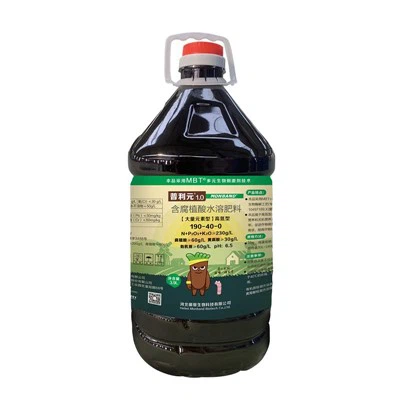
Let's talk about the different types of humic fulvic acid fertilizers we offer. We have Humic Acid Liquid Fertilizer, which is super easy to apply. You can just mix it with water and spray it on the soil or directly on the plants. This liquid form allows for quick absorption by the plants and can be used in various irrigation systems.
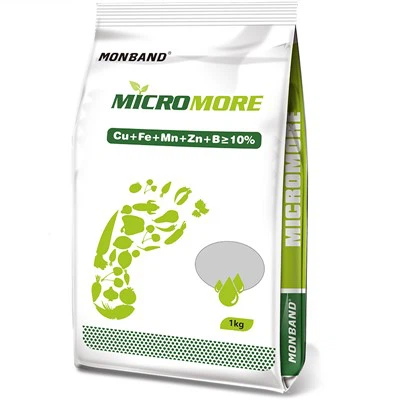
Then there's our Humic Acid Organic Fertilizer. This one is great for those who prefer an all - natural approach. It's made from high - quality organic materials and contains a rich blend of humic and fulvic acids. It not only helps reduce nutrient leaching but also enriches the soil with other beneficial microorganisms and organic matter.
And don't forget our Humic Liquid Fertilizer. It's similar to the humic acid liquid fertilizer but has a slightly different formulation. It's also very effective in improving soil fertility and reducing nutrient loss.
In addition to reducing nutrient leaching, humic fulvic acid fertilizers have other benefits. They can enhance the cation exchange capacity (CEC) of the soil. CEC is a measure of the soil's ability to hold and exchange positively charged ions, which are mostly nutrients. A higher CEC means the soil can hold more nutrients and make them available to plants when they need them.
These fertilizers also stimulate root growth. Stronger and more extensive root systems can better absorb nutrients from the soil. When the roots are healthy and well - developed, they can take up nutrients more efficiently, leaving less chance for them to be leached away.
Moreover, humic and fulvic acids can improve the soil's pH buffering capacity. Some fertilizers can change the soil pH, which might affect nutrient availability. But humic fulvic acid fertilizers help keep the soil pH stable, ensuring that nutrients remain in a form that plants can easily absorb.
Now, let's look at some real - world examples. I've had many farmers come to me and tell me how using our humic fulvic acid fertilizers has made a huge difference on their farms. One farmer in the Midwest was struggling with high nitrogen leaching in his corn fields. After switching to our humic acid liquid fertilizer, he noticed a significant reduction in nitrogen loss. His corn yields also increased because the plants were getting more of the nutrients they needed.
Another farmer in the South was dealing with phosphorus runoff from his vegetable gardens. By using our humic acid organic fertilizer, he was able to reduce the amount of phosphorus leaving his fields. This not only saved him money on fertilizers but also helped protect the local waterways from pollution.
So, if you're a farmer or someone involved in agriculture, you're probably wondering how you can get your hands on these amazing fertilizers. Well, we're here to help. Whether you're looking to reduce nutrient leaching, improve soil fertility, or increase crop yields, our humic fulvic acid fertilizers are the way to go.
We're always happy to talk to you about your specific needs. If you're interested in learning more or want to place an order, don't hesitate to reach out. We can provide you with detailed information about our products, pricing, and delivery options.


In conclusion, humic fulvic acid fertilizers play a vital role in reducing nutrient leaching. They improve soil structure, bind nutrients, enhance CEC, stimulate root growth, and buffer soil pH. With our range of high - quality fertilizers, you can make your farm more sustainable and productive. So, why wait? Contact us today and let's start this journey together to a better and more efficient agriculture.
References
- Brady, N. C., & Weil, R. R. (2008). The nature and properties of soils. Pearson Prentice Hall.
- Stevenson, F. J. (1994). Humus chemistry: genesis, composition, reactions. Wiley.