Hey there! As a supplier of Water Soluble Potash Fertilizer, I've been super interested in how our product interacts with beneficial soil microorganisms. It's a topic that doesn't get enough buzz but is super crucial for healthy plant growth.
Let's first talk about what water - soluble potash fertilizer is. Potassium is one of the three major nutrients that plants need, right up there with nitrogen and phosphorus. Our water - soluble potash fertilizer can dissolve quickly in water, making it easy for plants to absorb. This is a huge advantage, especially in modern farming where precision irrigation systems are widely used.
Now, onto the stars of the show - the beneficial soil microorganisms. These little guys include bacteria, fungi, and protozoa. They play a vital role in the soil ecosystem. For example, some bacteria can fix nitrogen from the air and make it available to plants. Fungi form symbiotic relationships with plant roots, helping them absorb nutrients more efficiently.
So, how does our water - soluble potash fertilizer interact with these microorganisms? Well, potassium is essential for the metabolic processes of many soil microorganisms. When we apply our fertilizer to the soil, it provides an extra source of potassium that these microbes can use.
Some bacteria, like the potassium - solubilizing bacteria, can break down insoluble potassium compounds in the soil and convert them into a form that plants can use. Our water - soluble potash fertilizer gives them a head - start by providing readily available potassium. This can stimulate their growth and activity. As these bacteria multiply, they also help improve soil structure. They produce substances that bind soil particles together, creating better aeration and water infiltration.
Fungi, especially mycorrhizal fungi, also benefit from the presence of potassium. These fungi form a network of hyphae around plant roots. With an adequate supply of potassium from our fertilizer, the mycorrhizal fungi can grow more vigorously. This, in turn, enhances the plant's ability to take up water and nutrients. The fungi get carbohydrates from the plant, and in return, they help the plant access nutrients that are otherwise hard to reach.


But it's not all sunshine and rainbows. If we over - apply our water - soluble potash fertilizer, it can have a negative impact on soil microorganisms. High levels of potassium can disrupt the balance of nutrients in the soil. Some microorganisms may be sensitive to high potassium concentrations and their growth can be inhibited. This can lead to a decrease in soil biodiversity, which is not good for long - term soil health.
Another aspect to consider is the interaction between our water - soluble potash fertilizer and other fertilizers. For instance, High Nitrogen Water Soluble Fertilizer and High Phosphorus Water Soluble Fertilizer are often used in combination with potash fertilizer. The ratio of these nutrients can affect the growth and activity of soil microorganisms. A balanced application of these fertilizers is key to maintaining a healthy soil microbiome.
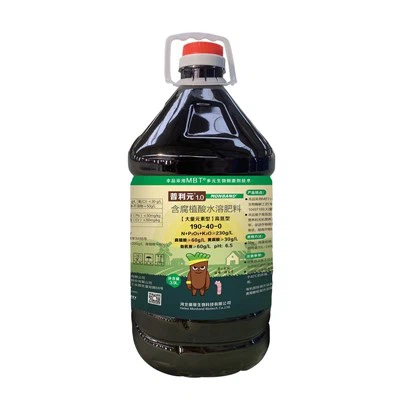
Macro Element Water - soluble Fertilizer that contains a proper mix of nitrogen, phosphorus, and potassium can provide a more comprehensive nutrient source for both plants and soil microorganisms. When these nutrients are in the right proportions, they can support the growth of different types of microorganisms, creating a more diverse and resilient soil ecosystem.
In addition to nutrient balance, the form of our water - soluble potash fertilizer also matters. Different chemical forms of potassium can have different effects on soil microorganisms. For example, potassium chloride and potassium sulfate have different solubility and chemical properties. Potassium sulfate is often preferred in some cases because it doesn't introduce chloride ions, which can be harmful to some microorganisms at high concentrations.
To sum it up, our water - soluble potash fertilizer can have both positive and negative effects on beneficial soil microorganisms. When used correctly, it can enhance the growth and activity of these microorganisms, leading to better soil health and plant growth. But we need to be careful about the application rate, the combination with other fertilizers, and the form of the fertilizer.
If you're a farmer, gardener, or involved in the agricultural industry, and you're interested in learning more about how our water - soluble potash fertilizer can work for you, I'd love to have a chat. We can discuss the best application methods, the right ratios with other fertilizers, and how to ensure that your soil microbiome stays healthy. Whether you're growing crops on a large scale or just have a small backyard garden, our product can make a difference. So, don't hesitate to reach out and start a conversation about how we can help you achieve better yields and healthier plants.
References
- Brady, N. C., & Weil, R. R. (2008). The nature and properties of soils. Pearson Prentice Hall.
- Paul, E. A., & Clark, F. E. (1996). Soil microbiology and biochemistry. Academic Press.