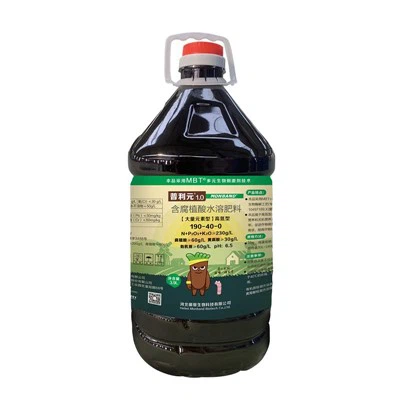
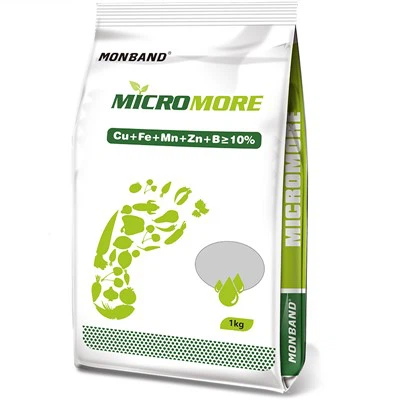
Soil biodiversity is the foundation of a healthy and productive ecosystem. It encompasses a wide range of organisms, from bacteria and fungi to earthworms and insects, all of which play crucial roles in maintaining soil fertility, nutrient cycling, and overall soil health. In recent years, there has been growing interest in the use of humic based biostimulants to promote soil biodiversity. As a supplier of Humic Based Biostimulants, I have witnessed firsthand the positive impact these products can have on soil ecosystems. In this blog, I will explore the role of humic based biostimulants in promoting soil biodiversity and how they can benefit farmers and the environment.
Understanding Humic Based Biostimulants
Humic based biostimulants are derived from natural organic materials, such as leonardite, peat, and lignite. These materials are rich in humic substances, which are complex organic compounds that have been formed over thousands of years through the decomposition of plant and animal matter. Humic substances can be classified into three main fractions: humic acid, fulvic acid, and humin. Each fraction has unique chemical and physical properties that contribute to its biological activity in the soil.
Humic based biostimulants work by stimulating the growth and activity of beneficial soil microorganisms. They provide a source of energy and nutrients for these microorganisms, which in turn help to break down organic matter, release nutrients, and improve soil structure. In addition, humic substances can chelate or bind to essential nutrients, making them more available to plants. This can lead to increased nutrient uptake, improved plant growth, and enhanced crop yields.
Promoting Microbial Diversity
One of the key ways that humic based biostimulants promote soil biodiversity is by increasing microbial diversity. Microorganisms are the most abundant and diverse group of organisms in the soil, and they play a vital role in many soil processes. By providing a favorable environment for microbial growth and activity, humic based biostimulants can help to support a diverse community of bacteria, fungi, and other microorganisms.
Bacteria are some of the most important microorganisms in the soil. They are involved in processes such as nitrogen fixation, decomposition of organic matter, and the production of plant growth-promoting substances. Humic based biostimulants can stimulate the growth of beneficial bacteria, such as rhizobia, which form symbiotic relationships with leguminous plants and help to fix atmospheric nitrogen. This can reduce the need for synthetic nitrogen fertilizers, which can have negative environmental impacts.
Fungi also play a crucial role in soil ecosystems. They form mycorrhizal associations with plant roots, which help to increase the surface area for nutrient uptake and improve plant resistance to diseases and pests. Humic based biostimulants can enhance the growth and activity of mycorrhizal fungi, leading to better plant health and productivity. In addition, fungi are involved in the decomposition of complex organic compounds, such as lignin, which can be difficult for bacteria to break down.
In addition to bacteria and fungi, humic based biostimulants can also support the growth of other beneficial soil organisms, such as protozoa, nematodes, and earthworms. These organisms contribute to soil fertility and structure by consuming organic matter, releasing nutrients, and improving soil aeration and water infiltration.
Improving Soil Structure
Another important role of humic based biostimulants in promoting soil biodiversity is by improving soil structure. Soil structure refers to the arrangement of soil particles into aggregates or clumps. A well-structured soil has good porosity, which allows for the movement of air, water, and roots. It also provides a habitat for soil organisms.
Humic substances can act as a binding agent, helping to hold soil particles together and form stable aggregates. This can improve soil structure and prevent soil erosion. In addition, humic based biostimulants can increase the water-holding capacity of the soil, which can help to reduce water stress on plants and improve drought resistance.
A well-structured soil also provides a more favorable environment for soil organisms. It allows for better movement of oxygen and nutrients, which are essential for microbial growth and activity. In addition, the pores in the soil provide a habitat for small organisms, such as nematodes and protozoa.
Enhancing Nutrient Cycling
Humic based biostimulants can also enhance nutrient cycling in the soil. Nutrient cycling refers to the process by which nutrients are taken up by plants, released back into the soil through decomposition of plant residues, and then made available for uptake by other plants. This process is essential for maintaining soil fertility and supporting plant growth.
Humic substances can help to break down organic matter and release nutrients more efficiently. They can also chelate or bind to essential nutrients, such as iron, zinc, and manganese, making them more available to plants. In addition, humic based biostimulants can stimulate the activity of soil enzymes, which are involved in the breakdown of organic matter and the release of nutrients.
By enhancing nutrient cycling, humic based biostimulants can reduce the need for synthetic fertilizers. This can not only save farmers money but also reduce the environmental impact of agriculture. Synthetic fertilizers can contribute to water pollution, greenhouse gas emissions, and soil degradation.


Case Studies and Research Findings
Numerous studies have demonstrated the positive effects of humic based biostimulants on soil biodiversity and plant growth. For example, a study conducted on a wheat field showed that the application of humic based biostimulants increased the abundance and diversity of soil bacteria and fungi. This led to improved soil fertility, increased nutrient uptake by the wheat plants, and higher crop yields.
Another study focused on the impact of humic based biostimulants on mycorrhizal fungi. The results showed that the use of these biostimulants enhanced the colonization of plant roots by mycorrhizal fungi, leading to better plant growth and resistance to diseases.
These case studies and research findings highlight the potential of humic based biostimulants to improve soil health and productivity. They also provide evidence for the role of these products in promoting soil biodiversity.
Conclusion and Call to Action
In conclusion, humic based biostimulants play a crucial role in promoting soil biodiversity. They stimulate the growth and activity of beneficial soil microorganisms, improve soil structure, enhance nutrient cycling, and ultimately lead to healthier and more productive soils. As a supplier of Humic Based Biostimulants, I am committed to providing high-quality products that can help farmers achieve these benefits.
If you are a farmer or an agricultural professional interested in improving soil health and promoting biodiversity on your farm, I encourage you to consider using humic based biostimulants. Our products are backed by scientific research and have been proven to be effective in a variety of agricultural settings. To learn more about our Microbial Biostimulants and how they can benefit your operation, please contact us for a consultation. We look forward to working with you to achieve sustainable and productive agriculture.
References
- Smith, J. et al. (2018). The impact of humic substances on soil microbial communities. Soil Biology and Biochemistry, 120, 156 - 164.
- Brown, A. et al. (2019). Humic based biostimulants: A review of their effects on plant growth and soil health. Journal of Plant Nutrition, 42(3), 345 - 356.
- Green, C. et al. (2020). Improving soil structure with humic based biostimulants. Soil Science Society of America Journal, 84(2), 456 - 465.