Hey there, fellow gardening enthusiasts! As a supplier of Organic Soluble Fertilizer, I often get asked whether it's okay to use our product during the winter. Well, let's dive right into this topic and find out.
First off, let's understand what organic soluble fertilizer is. It's a type of fertilizer that dissolves easily in water, making it super convenient to apply. It's made from natural materials, like plant and animal by - products, and it provides essential nutrients to plants in a more sustainable way compared to synthetic fertilizers.
Now, the big question: Can you use organic soluble fertilizer in winter? The answer isn't a simple yes or no. It depends on a few factors.
Temperature
One of the most crucial factors is the temperature. In winter, the soil temperature drops significantly. Most plants go into a dormant state when the temperature gets too cold. During dormancy, their metabolic processes slow down, and they don't need as many nutrients as they do during the growing season.
If the soil temperature is below 50°F (10°C), it's generally not a good idea to apply organic soluble fertilizer. The cold soil can't break down the nutrients in the fertilizer as efficiently, and the plants won't be able to absorb them properly. In fact, applying fertilizer at this time can lead to a build - up of nutrients in the soil, which can be harmful to the plants in the long run.
However, if you live in a region where the winter temperatures are relatively mild, say above 50°F (10°C), then using organic soluble fertilizer can be beneficial. The plants may still be actively growing, albeit at a slower pace, and they can make use of the nutrients provided by the fertilizer.


Plant Type
Different plants have different needs during winter. Some plants, like evergreens, continue to grow slowly throughout the winter and can benefit from a light application of organic soluble fertilizer. Evergreens need nutrients like nitrogen, phosphorus, and potassium to maintain their foliage and root health.
On the other hand, deciduous plants shed their leaves in winter and enter a deep dormancy. Applying fertilizer to these plants during winter won't do much good as they're not actively taking up nutrients. For example, if you have a maple tree in your garden, it's better to hold off on fertilizing it until spring when it starts to come out of dormancy.
Soil Conditions
The condition of your soil also plays a role. If your soil is already rich in nutrients, you may not need to apply fertilizer during winter. You can perform a soil test to determine the nutrient levels in your soil. If the test shows that the soil is lacking in certain nutrients, then you can consider using organic soluble fertilizer.
For instance, if your soil has low levels of nitrogen, you can use an organic soluble fertilizer that's high in nitrogen. But remember, don't over - fertilize. Too much fertilizer can cause problems like excessive growth, which makes the plants more susceptible to pests and diseases.
Benefits of Using Organic Soluble Fertilizer in Winter (Under the Right Conditions)
If the conditions are right, using organic soluble fertilizer in winter can have several benefits.
Improved Soil Structure: Organic fertilizers contain organic matter that can improve the soil structure. During winter, the soil can become compacted, especially if there's a lot of foot traffic or heavy snow. The organic matter in the fertilizer helps to loosen the soil, allowing better air and water penetration.
Enhanced Microbial Activity: Even in winter, there's some microbial activity in the soil. Organic soluble fertilizer provides food for the beneficial microbes in the soil. These microbes break down the organic matter in the fertilizer and release nutrients in a form that plants can absorb. This can help to maintain a healthy soil ecosystem.
How to Apply Organic Soluble Fertilizer in Winter
If you've determined that it's appropriate to use organic soluble fertilizer in winter, here's how you can do it.
Dilute Properly: Follow the instructions on the fertilizer package to dilute it correctly. Over - concentrated solutions can burn the plants' roots, especially when they're in a more vulnerable state during winter.
Apply at the Right Time: Apply the fertilizer on a relatively warm day when the soil is not frozen. Early morning or late afternoon is usually a good time, as the temperature is more stable.
Target the Root Zone: Make sure to apply the fertilizer directly to the root zone of the plants. This ensures that the nutrients are available where the plants can absorb them.
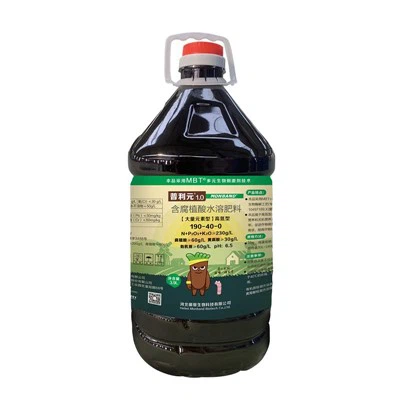
Now, let me tell you a bit about our products. We offer a range of high - quality organic soluble fertilizers. Check out our Organic Water Soluble Fertilizer for Vegetables, which is perfect for your vegetable garden. It provides all the essential nutrients that vegetables need to grow healthy and strong.
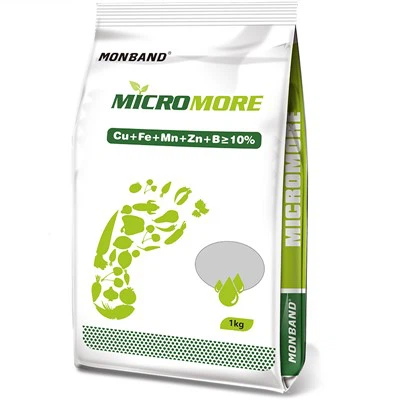
Our Premium Water Soluble Fertilizer is a great all - purpose option. It's suitable for a wide variety of plants and can be used throughout the year, including in mild winter conditions.
If you're looking for a reliable water - soluble fertilizer, you might also be interested in our Water Soluble Fertilizer Bunnings. It's formulated to meet the needs of both amateur and professional gardeners.
So, if you're still unsure whether to use organic soluble fertilizer in winter or if you have any questions about our products, don't hesitate to reach out. We're here to help you make the best decisions for your garden. Whether you're a small - scale home gardener or a large - scale commercial grower, we can provide you with the right fertilizer solutions. Contact us to start a discussion about your fertilizer needs and let's work together to keep your plants healthy all year round.
References
- "The Complete Guide to Gardening in Winter" - Gardening Monthly Magazine
- "Soil Science for Gardeners" - John Smith, 2020 Edition