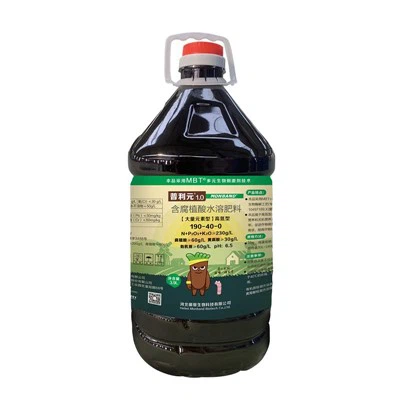
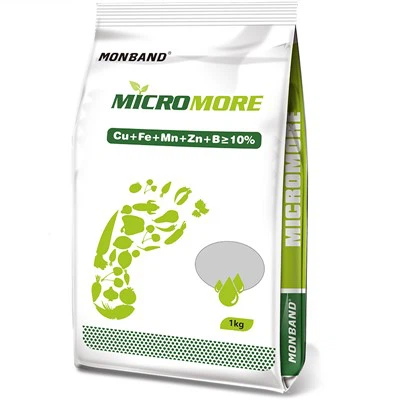
As a supplier of Humic Acid Liquid Fertilizer, I am often asked about the application methods of this remarkable product. In this blog post, I will share in detail the various ways to apply Humic Acid Liquid Fertilizer, highlighting its benefits and considerations for different application scenarios.
Understanding Humic Acid Liquid Fertilizer
Before delving into the application methods, it's essential to understand what Humic Acid Liquid Fertilizer is. Humic acid is a natural organic substance derived from decomposed plant and animal matter. It is rich in humic and fulvic acids, which play a crucial role in soil health and plant growth. Our Humic Organic Fertilizer and Liquid Humic Acid Organic Fertilizer are formulated to provide plants with essential nutrients, improve soil structure, and enhance nutrient uptake.
Soil Drenching
One of the most common application methods of Humic Acid Liquid Fertilizer is soil drenching. This method involves diluting the fertilizer in water and applying it directly to the soil around the base of the plants. Here's how to do it:
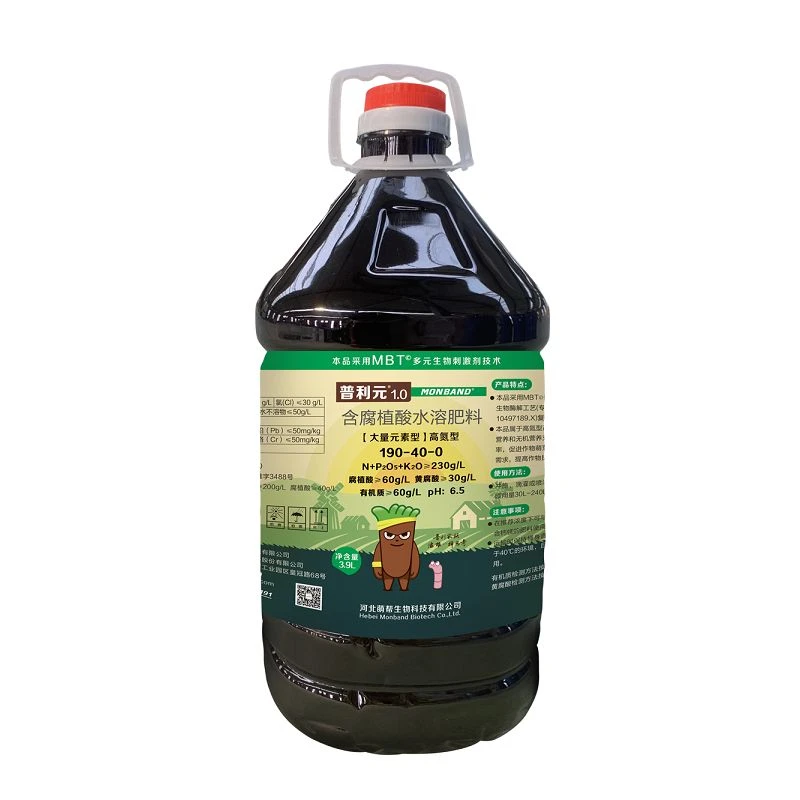

- Dilution: Follow the manufacturer's instructions to dilute the Humic Acid Liquid Fertilizer in water. The dilution ratio may vary depending on the type of plants, soil conditions, and the specific product you are using.
- Application: Use a watering can or a hose-end sprayer to apply the diluted fertilizer evenly around the base of the plants. Make sure the soil is thoroughly saturated but not waterlogged.
- Frequency: The frequency of soil drenching depends on the growth stage of the plants and the soil conditions. Generally, it is recommended to apply the fertilizer every 2 - 4 weeks during the growing season.
Soil drenching helps to improve soil fertility, increase microbial activity, and enhance root development. It also helps to release nutrients that are bound in the soil, making them more available to the plants.
Foliar Spraying
Foliar spraying is another effective way to apply Humic Acid Liquid Fertilizer. This method involves spraying the diluted fertilizer directly onto the leaves of the plants. Here's how to do it:
- Dilution: Dilute the Humic Acid Liquid Fertilizer in water according to the manufacturer's instructions. The dilution ratio for foliar spraying is usually lower than that for soil drenching.
- Application: Use a handheld sprayer or a backpack sprayer to apply the diluted fertilizer evenly on the leaves of the plants. Make sure to cover both the upper and lower surfaces of the leaves.
- Timing: The best time to apply foliar spray is in the early morning or late afternoon when the weather is cool and the leaves are less likely to burn. Avoid spraying during hot, sunny days or when the plants are under stress.
- Frequency: Foliar spraying can be done every 1 - 2 weeks during the growing season. However, it is important not to over - spray, as this can cause leaf burn or other damage to the plants.
Foliar spraying allows the plants to absorb nutrients directly through the leaves, which can provide a quick boost of nutrients and improve plant health. It is especially useful for correcting nutrient deficiencies and enhancing the overall appearance of the plants.
Drip Irrigation
Drip irrigation is a popular method of applying Humic Acid Liquid Fertilizer in large - scale agricultural and horticultural operations. This method involves adding the fertilizer to the irrigation water and delivering it directly to the roots of the plants through a drip system. Here's how to do it:
- Mixing: Use a fertilizer injector or a mixing tank to mix the Humic Acid Liquid Fertilizer with the irrigation water. Make sure to follow the manufacturer's instructions for the correct mixing ratio.
- Installation: Install a drip irrigation system that is designed to deliver the fertilizer - water mixture evenly to the plants. The drip emitters should be placed close to the base of the plants to ensure that the fertilizer reaches the roots.
- Monitoring: Regularly monitor the flow rate and pressure of the drip irrigation system to ensure that the fertilizer is being applied evenly. Adjust the settings as needed to meet the specific requirements of the plants.
- Frequency: The frequency of drip irrigation with Humic Acid Liquid Fertilizer depends on the crop type, soil conditions, and the water requirements of the plants. Generally, it can be done every 1 - 3 weeks during the growing season.
Drip irrigation helps to conserve water, reduce fertilizer waste, and ensure that the plants receive a consistent supply of nutrients. It is also a more efficient way to apply fertilizer, as it delivers the nutrients directly to the root zone.
Seed Treatment
Seed treatment is a less common but effective way to apply Humic Acid Liquid Fertilizer. This method involves coating the seeds with the diluted fertilizer before planting. Here's how to do it:
- Dilution: Dilute the Humic Acid Liquid Fertilizer in water according to the manufacturer's instructions.
- Coating: Place the seeds in a container and add the diluted fertilizer. Stir the seeds gently to ensure that they are evenly coated with the fertilizer.
- Drying: Allow the coated seeds to dry completely before planting. This can be done by spreading the seeds on a clean, dry surface and leaving them in a well - ventilated area.
- Planting: Plant the coated seeds as usual. The Humic Acid Liquid Fertilizer will help to improve seed germination, enhance root development, and provide the young plants with a good start.
Seed treatment can increase the germination rate, improve seedling vigor, and protect the seeds from diseases and pests. It is especially useful for crops that are sensitive to environmental stress during the early stages of growth.
Benefits of Using Humic Acid Liquid Fertilizer
- Improved Soil Structure: Humic acid helps to bind soil particles together, creating a more porous and well - structured soil. This improves soil aeration, water infiltration, and drainage, which are essential for healthy root growth.
- Enhanced Nutrient Uptake: Humic acid can chelate nutrients, making them more available to the plants. It also helps to stimulate root growth, which increases the surface area for nutrient absorption.
- Increased Microbial Activity: Humic acid provides a food source for beneficial soil microorganisms, which play a crucial role in nutrient cycling and plant health. Increased microbial activity helps to break down organic matter, release nutrients, and suppress plant diseases.
- Stress Tolerance: Plants treated with Humic Acid Liquid Fertilizer are more resistant to environmental stress, such as drought, heat, and cold. Humic acid helps to regulate plant growth and development, making the plants more adaptable to changing conditions.
Considerations for Application
- Soil Testing: Before applying Humic Acid Liquid Fertilizer, it is recommended to conduct a soil test to determine the nutrient status of the soil. This will help you to determine the appropriate application rate and frequency of the fertilizer.
- Compatibility: Make sure that the Humic Acid Liquid Fertilizer is compatible with other fertilizers and pesticides that you are using. Some products may react with each other, causing chemical changes or reducing the effectiveness of the fertilizer.
- Storage: Store the Humic Acid Liquid Fertilizer in a cool, dry place away from direct sunlight. Follow the manufacturer's instructions for storage and handling to ensure the quality and effectiveness of the product.
Contact for Purchase and Consultation
If you are interested in purchasing our Humic Liquid Fertilizer or have any questions about its application, please feel free to contact us. We are always ready to provide you with professional advice and high - quality products to meet your agricultural and horticultural needs.
References
- Brady, N. C., & Weil, R. R. (2002). The Nature and Properties of Soils. Prentice Hall.
- Stevenson, F. J. (1994). Humus Chemistry: Genesis, Composition, Reactions. Wiley - Interscience.
- Tan, K. H. (2014). Humic Matter in Soil and the Environment: Principles and Controversies. CRC Press.