As an NPK fertilizer supplier, I often get asked whether NPK fertilizer can be used in combination with compost. It's a great question, and one that has a lot of implications for gardeners, farmers, and anyone interested in growing healthy plants. In this blog post, I'll share my insights on this topic, based on my experience in the fertilizer industry and the latest scientific research.
First, let's start by understanding what NPK fertilizer and compost are. NPK fertilizer is a synthetic fertilizer that contains three primary nutrients: nitrogen (N), phosphorus (P), and potassium (K). These nutrients are essential for plant growth and development, and they're typically present in different ratios depending on the specific needs of the plants. For example, a fertilizer with a ratio of 10-10-10 contains 10% nitrogen, 10% phosphorus, and 10% potassium.
On the other hand, compost is an organic material that's made by decomposing plant and animal matter. It's rich in nutrients, organic matter, and beneficial microorganisms, and it can improve soil structure, water retention, and fertility. Compost can be made at home using a compost bin or pile, or it can be purchased from a garden center or nursery.
So, can NPK fertilizer be used in combination with compost? The short answer is yes, it can. In fact, using NPK fertilizer and compost together can have several benefits for your plants and soil.
Benefits of Using NPK Fertilizer and Compost Together
1. Balanced Nutrient Supply
Compost provides a slow-release source of nutrients, while NPK fertilizer provides a quick boost of nutrients. By using them together, you can ensure that your plants have a balanced supply of nutrients throughout the growing season. For example, compost can provide a steady supply of nitrogen, phosphorus, and potassium over time, while NPK fertilizer can be used to supplement these nutrients when needed, such as during periods of rapid growth or flowering.
2. Improved Soil Structure
Compost can improve soil structure by adding organic matter and beneficial microorganisms to the soil. This can help to loosen compacted soil, improve water infiltration and retention, and increase the soil's ability to hold nutrients. NPK fertilizer, on the other hand, can help to provide the nutrients that plants need to grow strong and healthy roots, which can further improve soil structure.
3. Enhanced Plant Growth and Health
Using NPK fertilizer and compost together can help to promote healthy plant growth and development. The balanced nutrient supply provided by these two fertilizers can help to increase plant vigor, improve resistance to pests and diseases, and enhance the quality and quantity of your harvest. For example, nitrogen is essential for leafy growth, phosphorus is important for root development and flowering, and potassium is necessary for overall plant health and stress tolerance.
4. Reduced Environmental Impact
Using NPK fertilizer and compost together can help to reduce the environmental impact of fertilization. Compost is a natural and sustainable source of nutrients, and it can help to reduce the need for synthetic fertilizers. By using compost in combination with NPK fertilizer, you can reduce the amount of synthetic fertilizer that you use, which can help to minimize the risk of nutrient runoff and pollution.
How to Use NPK Fertilizer and Compost Together
Now that you know the benefits of using NPK fertilizer and compost together, let's talk about how to use them effectively. Here are some tips to help you get started:
1. Test Your Soil
Before you start using NPK fertilizer and compost, it's a good idea to test your soil to determine its nutrient content and pH level. This will help you to determine the specific needs of your plants and the appropriate amount of fertilizer and compost to use. You can purchase a soil testing kit from a garden center or nursery, or you can send a soil sample to a professional laboratory for analysis.
2. Choose the Right NPK Fertilizer
Once you know the nutrient needs of your plants, you can choose the right NPK fertilizer to use. Look for a fertilizer that has a balanced ratio of nitrogen, phosphorus, and potassium, and that's appropriate for the type of plants you're growing. For example, if you're growing vegetables, you may want to choose a fertilizer with a higher ratio of nitrogen to promote leafy growth. If you're growing flowers, you may want to choose a fertilizer with a higher ratio of phosphorus to promote flowering.
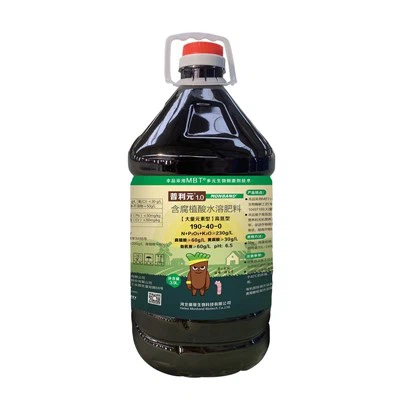
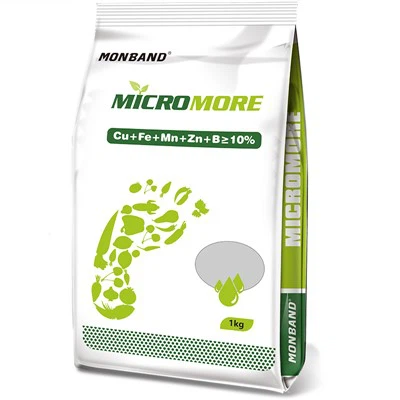
Some of the NPK fertilizers we offer include High Nitrogen Water Soluble Fertilizer, Organic Water Soluble Nitrogen Fertilizer, and Water Soluble Phosphate Fertilizer. These fertilizers are designed to provide a quick and easy way to supply your plants with the nutrients they need.
3. Apply Compost First
Before you apply NPK fertilizer, it's a good idea to apply compost to your soil. This will help to improve soil structure, water retention, and fertility, and it will provide a slow-release source of nutrients for your plants. Spread a layer of compost over your soil, and then work it into the top few inches of soil using a garden fork or tiller.
4. Apply NPK Fertilizer as Needed
After you've applied compost to your soil, you can apply NPK fertilizer as needed. Follow the instructions on the fertilizer package carefully, and apply the fertilizer at the recommended rate and frequency. Be careful not to over-fertilize, as this can lead to nutrient runoff and pollution, and it can also damage your plants.
5. Water Your Plants
After you've applied NPK fertilizer and compost to your soil, it's important to water your plants thoroughly. This will help to dissolve the fertilizer and carry the nutrients down to the roots of your plants. Water your plants deeply and regularly, especially during periods of hot, dry weather.
Potential Drawbacks of Using NPK Fertilizer and Compost Together
While using NPK fertilizer and compost together can have many benefits, there are also some potential drawbacks to consider. Here are a few things to keep in mind:
1. Over-Fertilization
If you apply too much NPK fertilizer or compost, it can lead to over-fertilization. This can cause your plants to grow too quickly, which can make them more susceptible to pests and diseases. Over-fertilization can also lead to nutrient runoff and pollution, which can have a negative impact on the environment.
2. Nutrient Imbalance
If you don't use the right ratio of NPK fertilizer and compost, it can lead to a nutrient imbalance in your soil. This can cause your plants to suffer from nutrient deficiencies or toxicities, which can affect their growth and health.
3. Cost
Using NPK fertilizer and compost together can be more expensive than using either one alone. Compost can be made at home for free, but it can take time and effort to produce. NPK fertilizer can be purchased at a garden center or nursery, but it can be expensive, especially if you need to use a lot of it.
Conclusion
In conclusion, using NPK fertilizer and compost together can have many benefits for your plants and soil. By providing a balanced supply of nutrients, improving soil structure, and enhancing plant growth and health, these two fertilizers can help you to grow healthy, productive plants. However, it's important to use them effectively and to avoid over-fertilization and nutrient imbalances.


If you're interested in purchasing NPK fertilizer or learning more about how to use it in combination with compost, please don't hesitate to contact us. We're a leading supplier of high-quality NPK fertilizers, and we're committed to helping our customers grow healthy, beautiful plants.
References
- Brady, N. C., & Weil, R. R. (2008). The nature and properties of soils. Pearson Prentice Hall.
- Epstein, E., & Bloom, A. J. (2005). Mineral nutrition of plants: Principles and perspectives. Sinauer Associates.
- Magdoff, F., & van Es, H. (2009). Building soils for better crops. Sustainable Agriculture Research and Education.