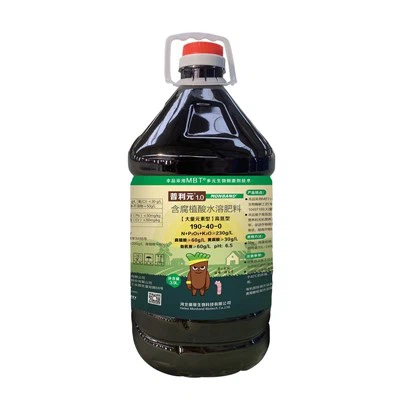
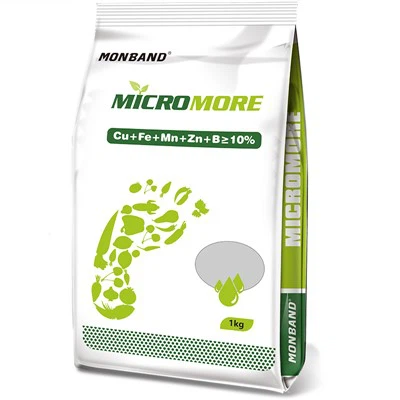
Hey there! As a calcium magnesium fertilizer supplier, I've seen firsthand the importance of using high - quality products in agriculture. But let's talk about the flip side today: the potential risks of using low - quality calcium magnesium fertilizer.
1. Nutrient Imbalance
One of the most significant issues with low - quality calcium magnesium fertilizers is the risk of nutrient imbalance. You see, plants need a precise ratio of nutrients to grow healthily. Calcium and magnesium play crucial roles in various plant functions. Calcium is essential for cell wall development, while magnesium is a key component of chlorophyll, which is vital for photosynthesis.
Low - quality fertilizers may not have the right proportion of calcium to magnesium. For example, if there's too much magnesium and not enough calcium, it can lead to a condition called calcium deficiency in plants. Symptoms of calcium deficiency include stunted growth, weak stems, and blossom - end rot in fruits like tomatoes. On the other hand, an overabundance of calcium relative to magnesium can also cause problems, such as reduced magnesium uptake by the plants. This can result in yellowing between the veins of leaves, a condition known as magnesium deficiency.
When plants suffer from nutrient imbalances, their overall health and productivity decline. They become more susceptible to diseases and pests, and the quality and quantity of the harvest are severely affected. And that's a big deal for farmers who rely on their crops for income.
2. Presence of Contaminants
Low - quality calcium magnesium fertilizers often contain contaminants. These can include heavy metals like lead, cadmium, and mercury, as well as other harmful substances. The source materials used in the production of these fertilizers may be of poor quality, or the manufacturing process may not be well - controlled, leading to the presence of these contaminants.
Heavy metals in fertilizers can accumulate in the soil over time. When plants absorb these contaminants from the soil, they can enter the food chain. This is a major concern for human health, as consuming crops contaminated with heavy metals can cause various health problems, such as kidney damage, neurological disorders, and even cancer.
Moreover, contaminants in the soil can also have long - term effects on soil quality. They can disrupt the soil ecosystem, killing beneficial soil organisms like earthworms and microorganisms. These organisms play a crucial role in maintaining soil fertility by decomposing organic matter, improving soil structure, and cycling nutrients. When the soil ecosystem is disrupted, it becomes less fertile, and the ability of the soil to support plant growth is reduced.
3. Poor Solubility
Another risk associated with low - quality calcium magnesium fertilizers is poor solubility. Fertilizers need to be soluble in water so that the nutrients can be easily absorbed by the plant roots. Low - quality fertilizers may have a low solubility rate, which means that a significant portion of the nutrients may not be available to the plants.
This can lead to inefficient nutrient use. Farmers may apply more fertilizer than necessary in an attempt to ensure that the plants get enough nutrients. However, this not only increases the cost of production but also has negative environmental impacts. Excess fertilizers can leach into groundwater or run off into surface waters, causing water pollution.
For example, nitrogen and phosphorus from fertilizers can cause eutrophication in water bodies. This is a process where excessive nutrients in the water lead to the overgrowth of algae. When the algae die and decompose, they consume oxygen in the water, creating dead zones where fish and other aquatic organisms cannot survive.
If you're interested in high - quality fertilizers with good solubility, you might want to check out our Water Soluble Sulphur Fertilizer and Water Soluble Calcium for Tomatoes. These products are designed to provide the nutrients your plants need in a form that they can easily absorb.
4. Inconsistent Quality
Low - quality calcium magnesium fertilizers often have inconsistent quality. This means that the nutrient content and other properties of the fertilizer can vary from batch to batch. Farmers rely on consistent fertilizer quality to ensure that they are providing the right amount of nutrients to their crops.
When the quality is inconsistent, it becomes difficult for farmers to accurately calculate the amount of fertilizer to apply. They may end up under - fertilizing or over - fertilizing their crops. Under - fertilizing leads to nutrient deficiencies in plants, as we discussed earlier. Over - fertilizing, on the other hand, can waste money and cause environmental problems, such as nutrient runoff and water pollution.
In addition, inconsistent quality can also make it challenging for farmers to plan their farming operations. They need to be able to rely on the performance of the fertilizers they use, and when the quality is unpredictable, it adds an extra layer of uncertainty to their work.
5. Reduced Soil Fertility in the Long Run
Using low - quality calcium magnesium fertilizers can have long - term negative effects on soil fertility. As mentioned earlier, these fertilizers may contain contaminants that can damage the soil ecosystem. In addition, the improper nutrient ratios in these fertilizers can disrupt the natural balance of nutrients in the soil.
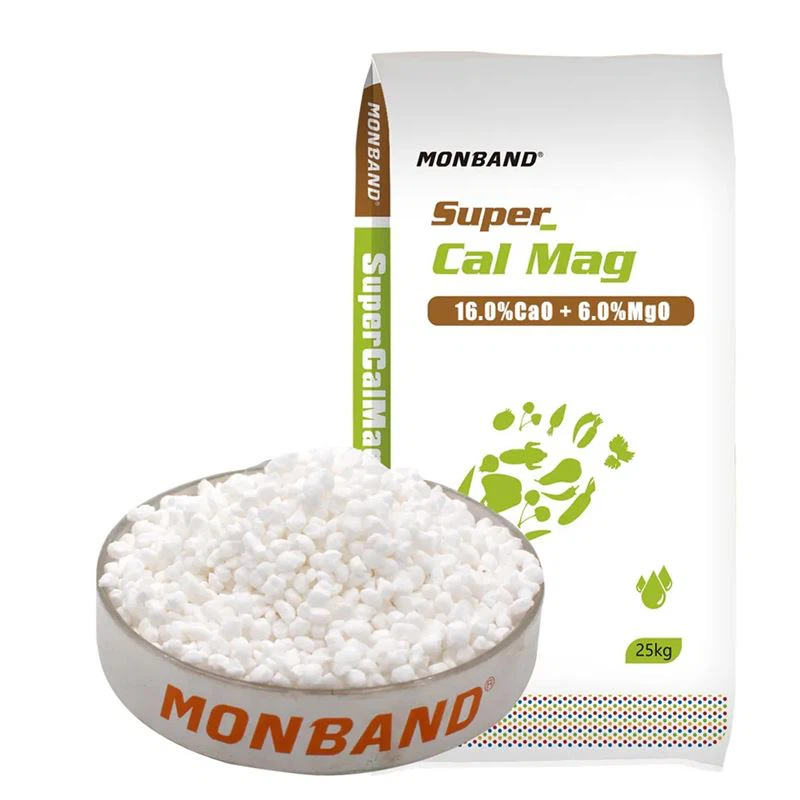
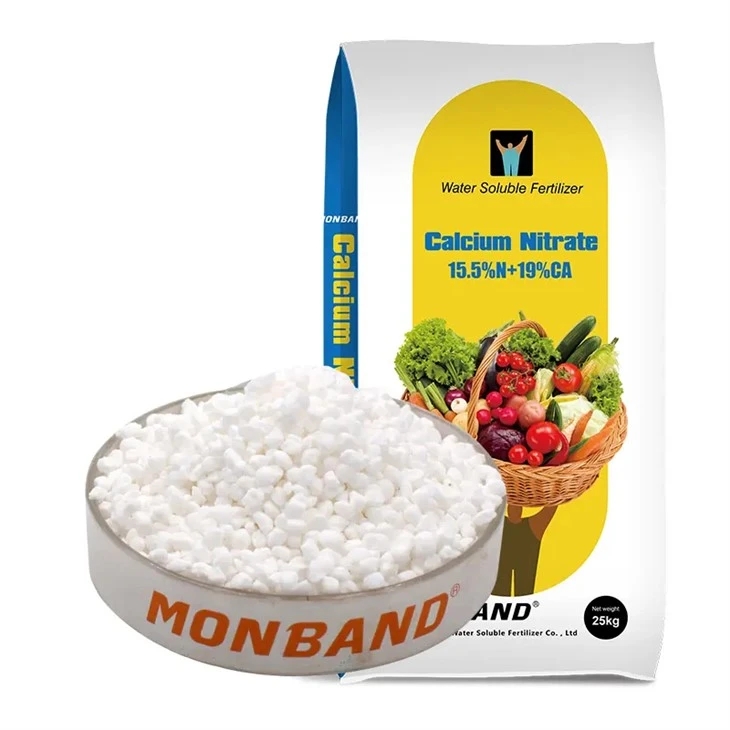
Over time, the repeated use of low - quality fertilizers can lead to a depletion of essential nutrients in the soil. The soil becomes less fertile, and it requires more and more inputs to maintain the same level of crop productivity. This can lead to a vicious cycle where farmers have to spend more on fertilizers and other soil amendments just to keep their crops growing.
Moreover, the reduced soil fertility can also lead to soil degradation. The soil structure deteriorates, and it becomes more prone to erosion. This not only affects the productivity of the land but also has environmental consequences, such as sedimentation in water bodies and loss of topsoil.
Conclusion
So, as you can see, there are many potential risks associated with using low - quality calcium magnesium fertilizers. From nutrient imbalances and the presence of contaminants to poor solubility, inconsistent quality, and long - term soil fertility issues, these fertilizers can cause a lot of problems for farmers and the environment.
At our company, we understand the importance of providing high - quality fertilizers. We use strict quality control measures in the production process to ensure that our calcium magnesium fertilizers have the right nutrient ratios, are free from contaminants, and have good solubility. We also offer other high - quality fertilizers, such as Ammonium Sulphate Water Soluble Fertilizer, to meet the diverse needs of farmers.
If you're a farmer or someone involved in agriculture, and you're looking for reliable and high - quality calcium magnesium fertilizers, we'd love to talk to you. We can provide you with the products and support you need to ensure the health and productivity of your crops. Don't hesitate to reach out for a discussion about your fertilizer needs and how we can help you achieve better results in your farming operations.
References
- Brady, N. C., & Weil, R. R. (2008). The Nature and Properties of Soils. Pearson Prentice Hall.
- Alloway, B. J. (2013). Heavy Metals in Soils: Trace Metals and Metalloids in Soils and Their Bioavailability. Springer.
- Marschner, H. (2012). Mineral Nutrition of Higher Plants. Academic Press.