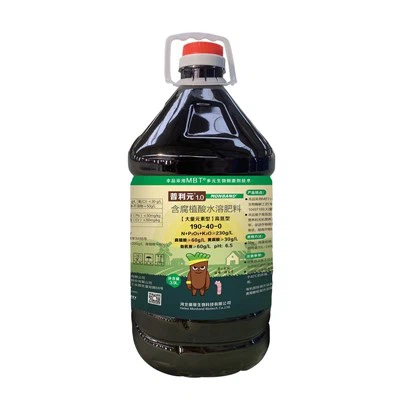
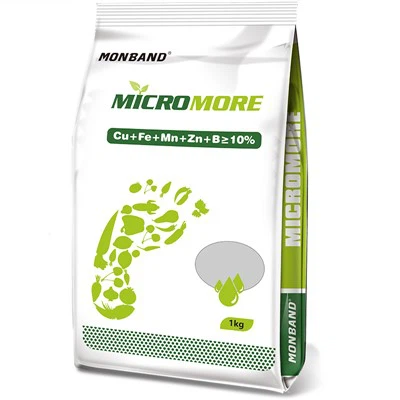
Hey there! As a supplier of humic fulvic acid fertilizer, I've had my fair share of experiences and insights into what makes this type of fertilizer effective. In this blog, I'm gonna break down the factors that can have an impact on the effectiveness of humic fulvic acid fertilizer.
1. Quality of Raw Materials
The first and foremost factor is the quality of the raw materials used to produce humic fulvic acid fertilizer. Humic and fulvic acids are derived from natural sources like leonardite, peat, and lignite. The quality of these raw materials can vary significantly depending on their origin and age.
For instance, leonardite is often considered a high - quality source of humic and fulvic acids because it has a relatively high content of these substances and is more easily processed. On the other hand, peat may have a lower concentration, and its quality can be affected by the type of plants that formed it. If we use low - quality raw materials, the resulting fertilizer may not have enough active ingredients to be truly effective. That's why at our supply, we're really picky about where we source our raw materials from. We make sure they're rich in humic and fulvic acids to ensure the best quality Fertilizer with Humic Acid.
2. Production Process
The production process also plays a crucial role. There are different methods to extract and refine humic and fulvic acids from raw materials. A good production process should be able to preserve the natural structure and activity of these acids.
For example, some processes use harsh chemicals or high - temperature treatments, which can damage the molecular structure of humic and fulvic acids. This can reduce their effectiveness in the soil. At our place, we use a gentle extraction method that maintains the integrity of these acids. We also ensure proper purification to remove any impurities that could potentially harm the plants. A well - executed production process means that the final Humic Acid Organic Fertilizer product will have a high concentration of active substances and work better in the field.


3. Soil Conditions
The soil where the humic fulvic acid fertilizer is applied matters a great deal. Different soils have different properties such as pH, texture, and nutrient content.
- pH Level: Humic and fulvic acids can be more or less effective depending on the soil's pH. In acidic soils, they can help to increase the availability of certain nutrients like calcium, magnesium, and phosphorus. In alkaline soils, they can chelate (bind) with metals like iron and zinc, making them more accessible to plants. So, if the soil pH is way off, the fertilizer may not work as well. We often recommend soil testing before applying our fertilizer so that the right adjustments can be made.
- Soil Texture: Sandy soils tend to drain quickly and may not hold onto nutrients well. Humic fulvic acid fertilizer can help improve the water - holding capacity and nutrient retention of sandy soils. In contrast, clay soils are often heavy and have poor aeration. The fertilizer can help to break up the clay particles, improving soil structure and allowing roots to penetrate more easily.
4. Plant Type
Not all plants respond to humic fulvic acid fertilizer in the same way. Different plants have different nutrient requirements and growth habits.
- Vegetables: Vegetables like tomatoes, cucumbers, and lettuce generally benefit a lot from humic fulvic acid fertilizer. It can enhance their growth, increase yield, and improve the quality of the produce. For example, tomatoes may have better color, flavor, and shelf - life when grown with the right amount of this fertilizer.
- Fruits: Fruit trees such as apples, oranges, and grapes can also see positive effects. The fertilizer can improve fruit set, reduce fruit drop, and enhance the overall health of the tree. However, the application rate and timing may need to be adjusted according to the specific fruit tree's growth cycle.
- Grains: Grains like wheat, rice, and corn can benefit from improved root development and nutrient uptake. This can lead to higher yields and better - quality grains. We have different formulations of Humic Acid Liquid Fertilizer to meet the specific needs of different plant types.
5. Application Rate and Timing
Getting the application rate and timing right is super important.
- Application Rate: Applying too little fertilizer may not have a noticeable effect, while applying too much can be wasteful and may even harm the plants. The correct application rate depends on factors such as soil fertility, plant type, and the specific product being used. We provide detailed instructions on our product labels to help farmers and gardeners apply the right amount.
- Timing: The timing of application also matters. For example, applying humic fulvic acid fertilizer at the beginning of the growing season can help establish strong root systems. During the flowering and fruiting stages, it can support better fruit development. In some cases, split applications throughout the growing season may be more effective than a single large application.
6. Environmental Conditions
Environmental factors like temperature, humidity, and rainfall can influence the effectiveness of humic fulvic acid fertilizer.
- Temperature: In general, warmer temperatures can speed up the decomposition and activity of humic and fulvic acids in the soil. However, extremely high temperatures can also cause the acids to break down more quickly. In cold temperatures, the activity of the fertilizer may slow down, but it can still help to improve soil structure and protect the roots from cold stress.
- Humidity: High humidity can help the fertilizer to dissolve and be more easily absorbed by the soil and plants. In dry conditions, the fertilizer may need to be watered in properly to ensure its effectiveness.
- Rainfall: Adequate rainfall can help to distribute the fertilizer evenly in the soil. However, heavy rainfall can also cause leaching, washing away the fertilizer before it can be fully utilized by the plants.
7. Compatibility with Other Fertilizers and Chemicals
If humic fulvic acid fertilizer is used in combination with other fertilizers or chemicals, their compatibility needs to be considered.
- Fertilizers: Mixing it with the right fertilizers can enhance the overall nutrient availability in the soil. For example, combining it with nitrogen - based fertilizers can reduce nitrogen loss and improve its uptake by plants. But some fertilizers may react with humic and fulvic acids, reducing their effectiveness. So, it's important to do some research or consult an expert before mixing different fertilizers.
- Pesticides and Herbicides: Some pesticides and herbicides may have a negative impact on the activity of humic and fulvic acids. It's best to apply them at different times to avoid any potential interactions.
In conclusion, there are many factors that can affect the effectiveness of humic fulvic acid fertilizer. As a supplier, we're committed to providing high - quality products and sharing our knowledge to help you get the most out of our fertilizers. If you're interested in learning more about our products or have any questions about how to use them effectively, don't hesitate to reach out. We're here to assist you in achieving better yields and healthier plants.
References
- Stevenson, F. J. (1994). Humus Chemistry: Genesis, Composition, Reactions. Wiley - Interscience.
- Chen, Y., & Aviad, T. (1990). The role of humic substances in plant growth. In Humic Substances in Soil, Sediment, and Water: Geochemistry, Isolation, and Characterization (pp. 401 - 422). Wiley - Interscience.