Is water soluble iron fertilizer biodegradable?
As a supplier of Water Soluble Iron Fertilizer, I often encounter questions from customers about the environmental impact and biodegradability of our products. In this blog post, I will delve into the topic of whether water soluble iron fertilizer is biodegradable, exploring the science behind it, its implications for the environment, and the benefits it offers to plants.
Understanding Water Soluble Iron Fertilizer
Water soluble iron fertilizer is a type of fertilizer that contains iron in a form that can be easily dissolved in water. This allows for efficient delivery of iron to plants, which is essential for various physiological processes, including photosynthesis, respiration, and nitrogen fixation. Iron is a micronutrient that plays a crucial role in plant growth and development, and a deficiency can lead to chlorosis, reduced growth, and poor crop yields.
There are several types of water soluble iron fertilizers available on the market, including chelated iron fertilizers and inorganic iron salts. Chelated iron fertilizers are more stable and less likely to react with other elements in the soil, making them more effective in delivering iron to plants. Inorganic iron salts, on the other hand, are less expensive but may be less effective in certain soil conditions.


Biodegradability of Water Soluble Iron Fertilizer
The biodegradability of water soluble iron fertilizer depends on several factors, including the type of fertilizer, the chemical composition, and the environmental conditions. In general, chelated iron fertilizers are more biodegradable than inorganic iron salts because they are more easily broken down by microorganisms in the soil.
Chelated iron fertilizers contain iron that is bound to a chelating agent, which helps to keep the iron in a soluble form and prevent it from reacting with other elements in the soil. The chelating agent also makes the iron more available to plants and reduces the risk of iron toxicity. When chelated iron fertilizers are applied to the soil, the chelating agent is gradually broken down by microorganisms, releasing the iron for uptake by plants.
Inorganic iron salts, such as ferrous sulfate and ferric chloride, are less biodegradable than chelated iron fertilizers because they are more likely to react with other elements in the soil and form insoluble compounds. These insoluble compounds can accumulate in the soil over time and reduce the availability of iron to plants. However, inorganic iron salts can still be effective in delivering iron to plants in certain soil conditions, such as acidic soils.
Environmental Implications
The biodegradability of water soluble iron fertilizer has important implications for the environment. Biodegradable fertilizers are more sustainable and environmentally friendly because they are less likely to accumulate in the soil and water and cause pollution. When biodegradable fertilizers are applied to the soil, they are broken down by microorganisms into harmless compounds that can be recycled by plants and other organisms.
In contrast, non-biodegradable fertilizers can have negative environmental impacts, such as eutrophication, which is the excessive growth of algae and other aquatic plants in water bodies. Eutrophication can lead to oxygen depletion, fish kills, and other ecological problems. Non-biodegradable fertilizers can also contaminate groundwater and surface water, posing a risk to human health and the environment.
Benefits of Water Soluble Iron Fertilizer
Despite the potential environmental concerns, water soluble iron fertilizer offers several benefits to plants and farmers. Water soluble iron fertilizer is more efficient in delivering iron to plants than traditional fertilizers because it can be easily absorbed by the roots and transported to the leaves. This can result in improved plant growth, increased crop yields, and better quality produce.
Water soluble iron fertilizer is also more convenient to use than traditional fertilizers because it can be applied through irrigation systems, foliar sprays, or soil drenches. This allows for precise application of the fertilizer and reduces the risk of over-application or under-application. In addition, water soluble iron fertilizer can be used in a variety of soil types and environmental conditions, making it a versatile and effective fertilizer option.
Conclusion
In conclusion, the biodegradability of water soluble iron fertilizer depends on several factors, including the type of fertilizer, the chemical composition, and the environmental conditions. Chelated iron fertilizers are generally more biodegradable than inorganic iron salts and are more sustainable and environmentally friendly. However, both types of fertilizers can be effective in delivering iron to plants and improving crop yields.
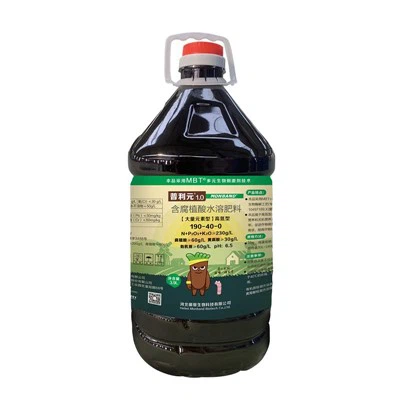
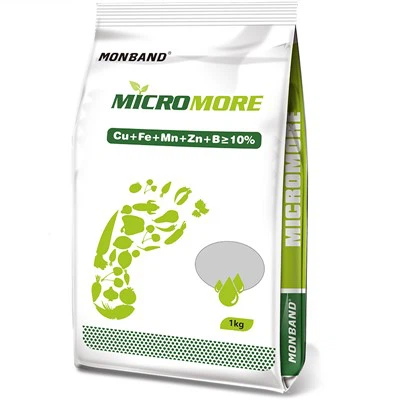
As a supplier of Water Soluble Iron Fertilizer, we are committed to providing our customers with high-quality, sustainable, and environmentally friendly fertilizers. Our Water Soluble Iron For Plants and Water Soluble Micronutrients For Plants products are designed to meet the specific needs of plants and farmers and to provide optimal results.
If you are interested in learning more about our water soluble iron fertilizer products or would like to discuss your specific fertilizer needs, please contact us. We would be happy to provide you with more information and help you find the right fertilizer solution for your crops.
References
- Marschner, H. (2012). Mineral Nutrition of Higher Plants. Academic Press.
- Mengel, K., & Kirkby, E. A. (2001). Principles of Plant Nutrition. Kluwer Academic Publishers.
- Alloway, B. J. (2008). Iron in Soils and Plants. Springer.