Hydroponic systems have gained significant popularity in recent years due to their efficiency, space - saving nature, and the ability to grow plants in a controlled environment. As a supplier of Bio Humic Fertilizer, I often get asked whether our product is suitable for hydroponic systems. In this blog, I will delve into the characteristics of bio humic fertilizer and explore its compatibility with hydroponics.
Understanding Bio Humic Fertilizer
Bio humic fertilizer is derived from natural organic matter, such as decomposed plants and animals. It contains a high concentration of humic substances, which are a complex mixture of organic acids, including humic acid, fulvic acid, and humin. These substances play a crucial role in soil fertility and plant growth in traditional soil - based agriculture.
Humic substances have several beneficial properties. They can improve soil structure by binding soil particles together, creating a more porous and aerated soil environment. This allows for better water infiltration and root penetration. Moreover, humic substances can chelate essential nutrients, such as iron, zinc, and manganese, making them more available to plants. They also stimulate microbial activity in the soil, which helps in the decomposition of organic matter and the release of nutrients.
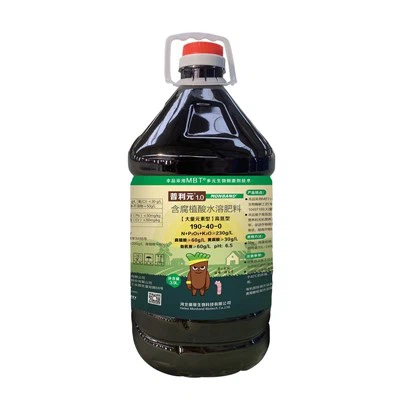
In the context of our product line, we offer Humic Acid Organic Fertilizer, Fertilizer with Humic Acid, and Humic Organic Fertilizer, all of which are rich in humic substances and designed to enhance plant growth.
Hydroponic Systems: An Overview
Hydroponic systems are soil - less cultivation methods where plants are grown in a nutrient - rich water solution. There are several types of hydroponic systems, including nutrient film technique (NFT), deep water culture (DWC), and aeroponics. In NFT, a thin film of nutrient solution flows over the roots of the plants. DWC involves suspending the plant roots in a deep tank of oxygenated nutrient solution. Aeroponics, on the other hand, sprays a fine mist of nutrient solution directly onto the roots.
One of the main advantages of hydroponic systems is the precise control over nutrient delivery. Growers can adjust the concentration and composition of the nutrient solution according to the specific needs of the plants at different growth stages. This results in faster growth rates, higher yields, and better - quality produce compared to traditional soil - based farming.
Suitability of Bio Humic Fertilizer for Hydroponic Systems
Nutrient Chelation and Availability
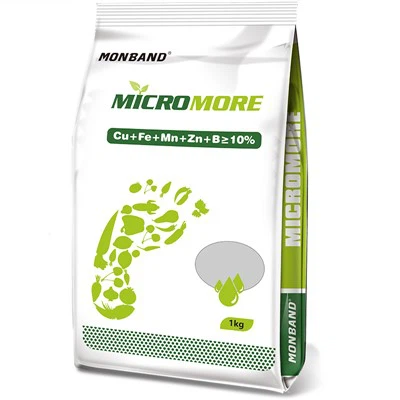
In hydroponic systems, the availability of nutrients to plants is of utmost importance. Bio humic fertilizer can play a vital role in this aspect. Humic substances in the fertilizer can chelate nutrients in the hydroponic solution. For example, they can bind to micronutrients like copper and boron, preventing them from precipitating out of the solution and making them more accessible to plant roots. This ensures that plants can efficiently absorb the necessary nutrients for healthy growth.
Root Development
Healthy root development is crucial for plant growth in hydroponic systems. The humic substances in bio humic fertilizer can stimulate root growth. They enhance root cell division and elongation, leading to a more extensive and vigorous root system. A well - developed root system can better absorb nutrients and water from the hydroponic solution, improving the overall health and productivity of the plants.
Microbial Activity
Although hydroponic systems are often considered sterile environments, there is still a role for beneficial microorganisms. Bio humic fertilizer can promote the growth of beneficial bacteria and fungi in the hydroponic solution. These microorganisms can help in the breakdown of organic matter in the fertilizer and the cycling of nutrients. They can also produce growth - promoting substances, such as auxins and cytokinins, which further enhance plant growth.
Water Quality
Humic substances can improve the quality of the hydroponic solution. They can act as natural buffers, stabilizing the pH of the solution. This is important because fluctuations in pH can affect the availability of nutrients to plants. Additionally, humic substances can reduce the surface tension of water, allowing for better wetting of the roots and improved nutrient uptake.
Potential Challenges
While bio humic fertilizer offers many benefits for hydroponic systems, there are also some potential challenges. One of the main concerns is the potential for clogging in the hydroponic system. The organic matter in the fertilizer can break down over time, forming small particles that may clog the pumps, pipes, and emitters in the system. To mitigate this issue, it is important to use high - quality bio humic fertilizer that is properly processed to minimize the presence of large particles. Regular filtration and maintenance of the hydroponic system are also essential.
Another challenge is the interaction with other fertilizers and chemicals in the hydroponic solution. Some fertilizers and chemicals may react with the humic substances in the bio humic fertilizer, leading to the formation of insoluble compounds. It is important to carefully test and adjust the composition of the hydroponic solution when using bio humic fertilizer to ensure compatibility with other inputs.


Case Studies
There have been several case studies that demonstrate the effectiveness of bio humic fertilizer in hydroponic systems. In a study conducted on lettuce grown in a nutrient film technique hydroponic system, the addition of bio humic fertilizer resulted in a significant increase in plant height, leaf area, and fresh weight compared to the control group. The plants also showed improved resistance to diseases and pests.
In another case study on tomato plants in a deep water culture hydroponic system, the use of bio humic fertilizer led to higher yields and better - quality fruits. The tomatoes had a higher sugar content and a more intense flavor, indicating improved nutritional quality.
Conclusion
In conclusion, bio humic fertilizer can be a suitable and beneficial addition to hydroponic systems. Its ability to chelate nutrients, stimulate root growth, promote microbial activity, and improve water quality makes it a valuable tool for hydroponic growers. However, growers need to be aware of the potential challenges, such as clogging and chemical interactions, and take appropriate measures to address them.
If you are a hydroponic grower interested in enhancing the performance of your plants, I encourage you to consider our bio humic fertilizer products. We are committed to providing high - quality fertilizers that can help you achieve better yields and healthier plants. If you have any questions or would like to discuss your specific needs, please feel free to contact us for a procurement discussion.
References
- Smith, J. (2020). The Role of Humic Substances in Hydroponic Systems. Journal of Hydroponic Research, 15(2), 45 - 52.
- Johnson, A. (2019). Effects of Bio Humic Fertilizer on Plant Growth in Hydroponic Cultivation. Agricultural Science and Technology, 22(3), 67 - 74.
- Brown, C. (2018). Improving Water Quality in Hydroponic Systems with Humic Substances. Water Management in Agriculture, 18(4), 33 - 40.