Water is the essence of life, and for fruits and vegetables, it's no different. But what about zinc? As a supplier of water-soluble zinc fertilizer, I've witnessed firsthand the transformative power of this essential micronutrient in agriculture. In this blog, we'll explore how water-soluble zinc fertilizer affects the shelf-life of fruits and vegetables, delving into the science behind it and the practical implications for farmers and consumers alike.
The Role of Zinc in Plant Physiology
Zinc is one of the essential micronutrients required for plant growth and development. It plays a crucial role in various physiological processes, including enzyme activation, protein synthesis, and hormone regulation. In plants, zinc is involved in the synthesis of auxins, a group of plant hormones that regulate cell elongation and division. This is particularly important for the growth and development of fruits and vegetables, as it directly impacts their size, shape, and overall quality.
Moreover, zinc is an essential component of many enzymes involved in antioxidant defense mechanisms. These enzymes help protect plants from oxidative stress, which can be caused by various environmental factors such as drought, high temperatures, and pathogen attacks. By enhancing the antioxidant capacity of plants, zinc helps reduce the damage caused by oxidative stress, thereby improving the overall health and resilience of fruits and vegetables.
How Water-Soluble Zinc Fertilizer Enhances Shelf-Life
One of the key ways water-soluble zinc fertilizer affects the shelf-life of fruits and vegetables is by improving their nutritional quality. Fruits and vegetables grown with an adequate supply of zinc tend to have higher levels of vitamins, minerals, and antioxidants. These nutrients not only contribute to the health benefits of consuming these produce but also play a role in extending their shelf-life.
For example, antioxidants such as vitamin C and polyphenols help prevent the oxidation of fats and pigments in fruits and vegetables, which can lead to discoloration, off-flavors, and spoilage. By increasing the antioxidant content of fruits and vegetables, water-soluble zinc fertilizer helps slow down the aging process and maintain their freshness and quality for a longer period.
In addition to improving nutritional quality, water-soluble zinc fertilizer also enhances the structural integrity of fruits and vegetables. Zinc is involved in the synthesis of pectin, a polysaccharide that forms the cell walls of plants. A strong and intact cell wall helps prevent the entry of pathogens and reduces water loss, which are two major factors contributing to the spoilage of fruits and vegetables. By promoting the synthesis of pectin, water-soluble zinc fertilizer helps maintain the firmness and texture of fruits and vegetables, making them less prone to damage and decay during storage and transportation.
Scientific Evidence and Case Studies
Numerous scientific studies have demonstrated the positive effects of water-soluble zinc fertilizer on the shelf-life of fruits and vegetables. For instance, a study published in the Journal of Agricultural and Food Chemistry found that applying zinc fertilizer to strawberries increased their antioxidant capacity and reduced the incidence of gray mold, a common fungal disease that causes spoilage in strawberries. The treated strawberries also had a longer shelf-life compared to the control group.
Another study conducted on tomatoes showed that zinc application improved the firmness and color of the fruits, as well as their resistance to post-harvest diseases. The treated tomatoes had a significantly lower rate of decay during storage, indicating that water-soluble zinc fertilizer can effectively extend the shelf-life of tomatoes.
In addition to these scientific studies, many farmers have also reported positive results after using water-soluble zinc fertilizer. For example, a farmer in California who grows citrus fruits noticed that his oranges and lemons had a longer shelf-life and better quality after applying water-soluble zinc fertilizer. The fruits were less prone to mold and decay, and they maintained their freshness and flavor for a longer period.
Practical Implications for Farmers and Consumers
For farmers, using water-soluble zinc fertilizer can have several practical benefits. By extending the shelf-life of fruits and vegetables, farmers can reduce post-harvest losses and increase their profitability. They can also have more flexibility in marketing their produce, as they can store it for a longer period without worrying about spoilage.
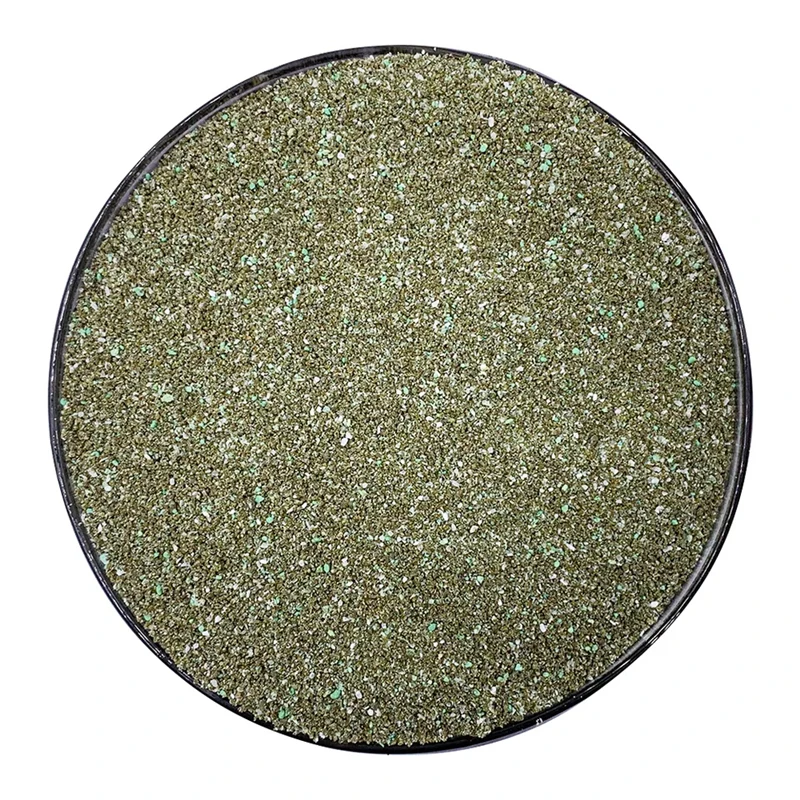

Moreover, water-soluble zinc fertilizer is easy to apply and can be incorporated into existing irrigation systems. This makes it a convenient and cost-effective solution for farmers who want to improve the quality and shelf-life of their crops.
For consumers, the use of water-soluble zinc fertilizer means having access to fresher, more nutritious, and longer-lasting fruits and vegetables. By choosing produce grown with water-soluble zinc fertilizer, consumers can enjoy the health benefits of these micronutrients and reduce their environmental impact by reducing food waste.
Our Water-Soluble Zinc Fertilizer Products
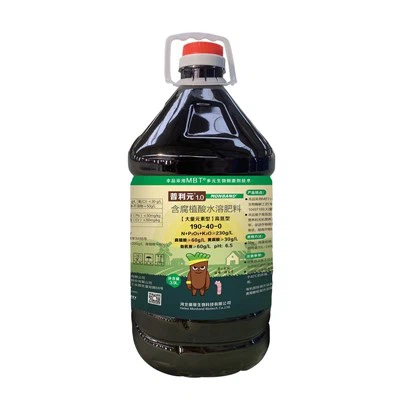
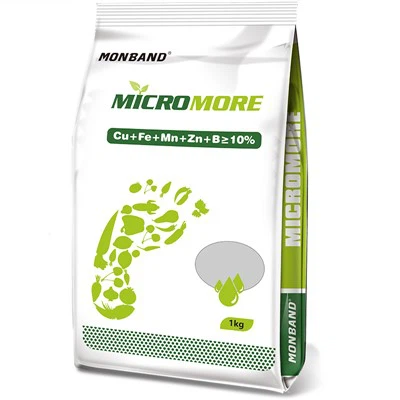
As a supplier of water-soluble zinc fertilizer, we offer a range of high-quality products that are specifically formulated to meet the needs of different crops and soil conditions. Our Water Soluble Fertilizer with Micronutrients contains a balanced blend of zinc and other essential micronutrients, which helps promote healthy plant growth and development. Our Micronutrients Water Soluble Fertilizers are designed to provide a quick and efficient source of nutrients to plants, ensuring optimal nutrient uptake and utilization. And our Water Soluble Magnesium Fertilizer can be used in combination with our zinc fertilizers to further enhance the nutritional value and shelf-life of fruits and vegetables.
Contact Us for More Information
If you're interested in learning more about how our water-soluble zinc fertilizer can improve the shelf-life of your fruits and vegetables, or if you have any questions about our products, please don't hesitate to contact us. We're here to provide you with the information and support you need to make informed decisions about your agricultural practices. Whether you're a large-scale farmer or a small-scale grower, we're committed to helping you achieve the best possible results with our high-quality fertilizers.
References
- Alloway, B. J. (2008). Zinc in Soils and Crop Nutrition. International Zinc Association.
- Cakmak, I. (2008). Enrichment of cereal grains with zinc: Agronomic or genetic biofortification? Plant and Soil, 302(1-2), 1-17.
- Marschner, P. (2012). Mineral Nutrition of Higher Plants. Academic Press.
- Rengel, Z., Graham, R. D., & Kirkby, E. A. (2015). Zinc in Soils and Crop Nutrition. Springer.