As a supplier of water soluble potash fertilizer, I often get asked about how it compares to liquid potash fertilizer. Both types of fertilizers are designed to provide potassium, an essential nutrient for plant growth, but they have distinct characteristics that can impact their effectiveness, application, and overall suitability for different agricultural and horticultural needs. In this blog post, I'll delve into the key differences between water soluble potash fertilizer and liquid potash fertilizer, helping you make an informed decision for your specific requirements.
Composition and Formulation
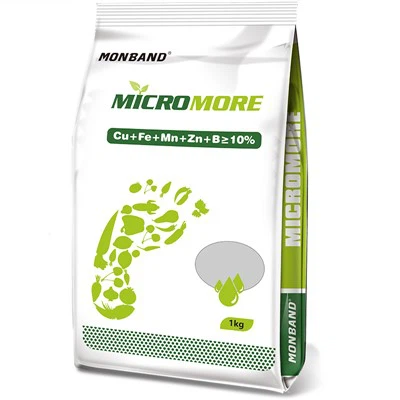
Water soluble potash fertilizers typically come in a solid, granular or powder form. These fertilizers are formulated to dissolve quickly and completely in water, creating a nutrient - rich solution that can be easily applied to plants. The composition of water soluble potash fertilizers can vary widely, but they usually contain high levels of potassium in a form that is readily available to plants, such as potassium chloride (KCl), potassium sulfate (K₂SO₄), or potassium nitrate (KNO₃). Some water soluble potash fertilizers may also include other essential nutrients like nitrogen and phosphorus, creating a balanced fertilizer solution. For example, our High Potassium Water Soluble Fertilizer is carefully formulated to provide a concentrated dose of potassium along with other beneficial elements.
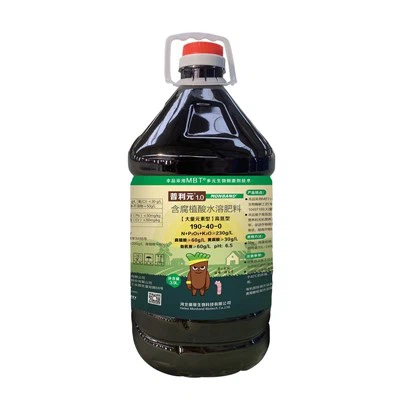
On the other hand, liquid potash fertilizers are already in a liquid state. They are often pre - mixed solutions that contain potassium and other nutrients. The advantage of liquid potash fertilizers is that they are immediately ready for use and can be easily mixed with other liquid fertilizers or pesticides. However, the concentration of potassium in liquid potash fertilizers can be lower compared to water soluble potash fertilizers, and they may require more frequent applications to achieve the same level of nutrient supply.
Nutrient Availability
One of the most important factors in choosing a fertilizer is the availability of nutrients to plants. Water soluble potash fertilizers dissolve rapidly in water, releasing potassium ions that can be quickly absorbed by plant roots. This makes them an excellent choice for providing a quick boost of potassium during critical growth stages, such as flowering and fruiting. The high solubility of these fertilizers also ensures that they can be evenly distributed in the soil or growing medium, reducing the risk of nutrient imbalances.
Liquid potash fertilizers also offer good nutrient availability, as the potassium is already in a dissolved state. However, the rate of nutrient uptake can be influenced by factors such as the pH of the soil or growing medium and the presence of other substances in the solution. In some cases, the nutrients in liquid potash fertilizers may be more prone to leaching, especially in sandy soils or when over - irrigated.
Application Methods
Water soluble potash fertilizers offer great flexibility in terms of application methods. They can be applied through drip irrigation systems, sprinklers, or as a foliar spray. Drip irrigation is a popular method as it allows for precise application of the fertilizer directly to the root zone, minimizing wastage and ensuring efficient nutrient uptake. Foliar spraying, on the other hand, can be used to provide a quick correction of potassium deficiencies or to enhance plant growth during specific stages. Our Macro Element Water - soluble Fertilizer can be easily applied using these methods, making it a versatile choice for different crops.
Liquid potash fertilizers are mainly applied through spraying or injection into irrigation systems. They are well - suited for foliar applications, as the liquid form can be easily absorbed by plant leaves. However, when using liquid potash fertilizers in irrigation systems, it is important to ensure proper mixing and dilution to prevent clogging of the equipment.
Storage and Handling
Storage and handling are important considerations for any fertilizer. Water soluble potash fertilizers, in their solid form, are generally easier to store. They can be stored in dry, cool conditions for extended periods without significant degradation. Solid fertilizers also have a lower risk of spillage and leakage compared to liquid fertilizers, which can be more challenging to handle and store safely.
Liquid potash fertilizers, on the other hand, require special storage conditions. They need to be stored in sealed containers to prevent evaporation and contamination. Additionally, the containers should be kept in a cool place to maintain the stability of the solution. In some cases, freezing temperatures can cause the liquid fertilizer to separate or form crystals, which can affect its effectiveness.
Cost - effectiveness
When it comes to cost - effectiveness, water soluble potash fertilizers often have an edge. They are typically more concentrated than liquid potash fertilizers, which means that less product is required to achieve the same level of potassium application. This can result in lower costs per unit of nutrient applied. Moreover, the long - term storage stability of water soluble potash fertilizers reduces the risk of product loss due to spoilage or degradation, further enhancing their cost - effectiveness.
Liquid potash fertilizers may be more expensive on a per - unit - of - nutrient basis, especially when considering the cost of packaging and shipping. However, in some situations, such as small - scale or foliar applications, the convenience of liquid fertilizers may outweigh the higher cost.


Environmental Impact
From an environmental perspective, both water soluble and liquid potash fertilizers have their pros and cons. Water soluble potash fertilizers, when applied correctly, can minimize nutrient runoff and leaching. Their ability to be precisely applied through irrigation systems ensures that the nutrients are delivered directly to the plants, reducing the amount of excess nutrients that can enter waterways.
Liquid potash fertilizers, if not properly managed, can contribute to nutrient pollution. The higher potential for leaching and the need for more frequent applications can increase the risk of nutrient runoff. However, when used in a well - designed and managed agricultural system, liquid potash fertilizers can also be environmentally friendly.
Suitability for Different Crops
The choice between water soluble and liquid potash fertilizers can also depend on the type of crops being grown. Water soluble potash fertilizers are suitable for a wide range of crops, including field crops, vegetables, fruits, and ornamental plants. They can be customized to meet the specific nutrient requirements of different crops at different growth stages.
Liquid potash fertilizers are often preferred for crops that respond well to foliar feeding, such as strawberries, grapes, and some leafy vegetables. The quick absorption through the leaves can provide an immediate boost to plant growth and development.
In conclusion, both water soluble potash fertilizers and liquid potash fertilizers have their own unique advantages and disadvantages. As a supplier of water soluble potash fertilizers, I believe that our products offer a reliable, cost - effective, and environmentally friendly solution for meeting the potassium needs of plants. However, the best choice depends on your specific agricultural or horticultural situation, including crop type, application method, storage facilities, and budget.
If you are interested in learning more about our water soluble potash fertilizers or have any questions regarding the comparison between water soluble and liquid potash fertilizers, please feel free to contact us. We are always ready to assist you in making the right choice for your farming or gardening needs.
References
- Brady, N. C., & Weil, R. R. (2002). The nature and properties of soils. Prentice Hall.
- Mengel, K., & Kirkby, E. A. (2001). Principles of plant nutrition. Kluwer Academic Publishers.