

Can fertilizer with humic acid be used on cacti?
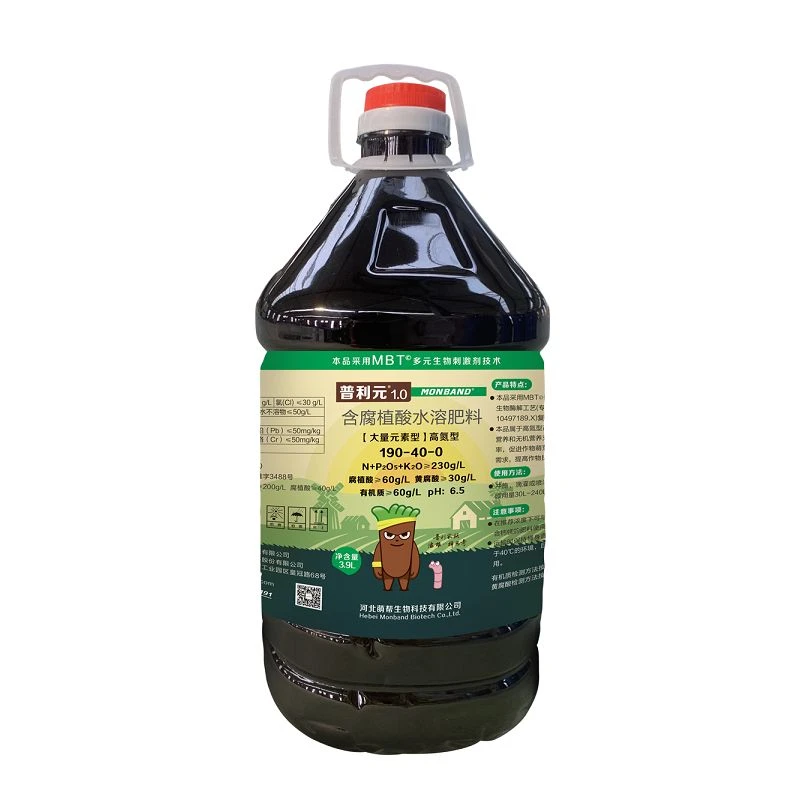

As a supplier of fertilizer with humic acid, I often receive inquiries from gardening enthusiasts about the suitability of our products for various plants, including cacti. Cacti are unique and fascinating plants known for their ability to thrive in arid and harsh environments. In this blog post, I will explore whether fertilizer with humic acid can be used on cacti and the potential benefits it may offer.
Understanding Cacti's Nutritional Needs
Cacti have evolved to survive in nutrient - poor, well - drained soils. Their natural habitats, such as deserts, typically have limited organic matter and low levels of available nutrients. As a result, cacti have adapted to grow slowly and have relatively low nutritional requirements compared to many other plants.
The key nutrients that cacti need include nitrogen (N), phosphorus (P), and potassium (K), often referred to as NPK. Nitrogen is important for leaf and stem growth, phosphorus aids in root development and flower production, and potassium helps with overall plant health and stress tolerance. In addition to NPK, cacti also require small amounts of micronutrients like iron, manganese, and zinc.
What is Humic Acid?
Humic acid is a natural organic compound that is formed through the decomposition of plant and animal matter over a long period. It is a major component of humus, the dark, organic material in soil. Humic acid has several beneficial properties for plants:
- Improved Nutrient Availability: Humic acid can chelate or bind to nutrients, making them more available for plant uptake. It can prevent nutrients from being leached out of the soil and keep them in a form that cacti can absorb more easily.
- Enhanced Soil Structure: It helps to improve soil structure by promoting the formation of soil aggregates. This improves soil aeration and drainage, which is crucial for cacti as they are prone to root rot in water - logged soils.
- Stimulation of Root Growth: Humic acid can stimulate root growth by promoting cell division and elongation in the roots. Stronger and more extensive root systems can help cacti better access water and nutrients in the soil.
- Increased Microbial Activity: It provides a food source for beneficial soil microorganisms. These microorganisms can help break down organic matter further, release nutrients, and protect the plant from pathogens.
Benefits of Using Fertilizer with Humic Acid on Cacti
- Better Nutrient Uptake: As mentioned earlier, humic acid can enhance the availability of nutrients. For cacti, this means that they can more efficiently take up the essential NPK and micronutrients from the soil. This can lead to healthier growth, stronger stems, and more vibrant flowers.
- Improved Soil Conditions: Cacti prefer well - drained soils. The addition of humic acid can improve the soil structure, ensuring that excess water drains away quickly. This reduces the risk of root rot, which is a common problem for cacti.
- Enhanced Stress Tolerance: Cacti often face environmental stresses such as drought, high temperatures, and poor soil quality. Humic acid can help cacti better tolerate these stresses by improving their overall health and physiological functions. For example, it can help the plant maintain proper water balance during drought conditions.
- Long - term Soil Health: Using fertilizer with humic acid can contribute to the long - term health of the soil in which cacti are growing. By increasing organic matter content and promoting microbial activity, the soil becomes more fertile and sustainable over time.
Types of Humic Acid Fertilizers Suitable for Cacti
There are several types of humic acid fertilizers available, and each has its own advantages for cacti:
- Humic Liquid Fertilizer: This type of fertilizer is easy to apply and can be quickly absorbed by the cacti. It can be diluted in water and applied as a foliar spray or directly to the soil. Liquid fertilizers are especially useful for providing a quick boost of nutrients to cacti during their active growth periods.
- Liquid Humic Acid Organic Fertilizer: These fertilizers are derived from natural organic sources and are rich in humic acid. They not only provide the benefits of humic acid but also contain other organic nutrients that can support the growth of cacti. Organic fertilizers are generally more environmentally friendly and can improve soil health in the long run.
- Humic Organic Fertilizer: This is a solid - form fertilizer that can be mixed into the soil. It slowly releases nutrients over time, providing a steady supply of nutrients to cacti. Humic organic fertilizers are suitable for long - term soil improvement and can be used during repotting or when preparing the soil for new cacti.
How to Use Humic Acid Fertilizer on Cacti
When using humic acid fertilizer on cacti, it is important to follow some guidelines to ensure optimal results:
- Dilution and Concentration: For liquid fertilizers, follow the manufacturer's instructions for dilution. Over - fertilizing can be harmful to cacti, so it is better to use a lower concentration and apply more frequently if necessary.
- Application Frequency: Cacti have a slow growth rate, so they do not need to be fertilized as often as other plants. During the active growth period (usually spring and summer), you can apply humic acid fertilizer every 2 - 4 weeks. In the dormant period (fall and winter), reduce or stop fertilizing.
- Application Method: You can apply liquid humic acid fertilizers as a foliar spray or directly to the soil. Foliar sprays can be absorbed quickly by the plant, but make sure to spray in the early morning or late evening to avoid leaf burn. When applying to the soil, water the cactus lightly before and after application to ensure proper distribution of the fertilizer.
Precautions
While humic acid fertilizer can be beneficial for cacti, there are some precautions to keep in mind:
- Quality of the Fertilizer: Make sure to choose a high - quality humic acid fertilizer from a reputable supplier. Low - quality fertilizers may contain impurities or have inconsistent nutrient levels.
- Compatibility with Other Fertilizers: If you are using other fertilizers in addition to humic acid fertilizer, make sure they are compatible. Some fertilizers may react with each other and reduce their effectiveness or cause harm to the cacti.
- Observation: Monitor your cacti closely after applying humic acid fertilizer. If you notice any signs of over - fertilization, such as yellowing leaves or stunted growth, stop applying the fertilizer and flush the soil with water to remove excess nutrients.
Conclusion
In conclusion, fertilizer with humic acid can be used on cacti and offers several benefits. It can improve nutrient availability, enhance soil structure, stimulate root growth, and increase the stress tolerance of cacti. By choosing the right type of humic acid fertilizer and applying it correctly, you can help your cacti grow healthier and more vigorously.
If you are interested in purchasing high - quality humic acid fertilizers for your cacti or other plants, we are here to help. Our products are carefully formulated to meet the nutritional needs of various plants, including cacti. Contact us to start a procurement discussion and discover how our fertilizers can benefit your gardening endeavors.
References
- Brady, N. C., & Weil, R. R. (2008). The nature and properties of soils. Pearson Prentice Hall.
- Marschner, H. (2012). Mineral nutrition of higher plants. Academic Press.
- Rengasamy, P. (2010). Soil processes and management for greenhouse gas emissions. CRC Press.


