Hey there! As a supplier of Water Soluble Iron Fertilizer, I've seen firsthand how this nifty product can really make a difference in crop growth. In this blog, I'm gonna chat about how water soluble iron fertilizer affects the nutritional value of crops.
First off, let's talk about why iron is so important for plants. Iron is a micronutrient that plays a crucial role in various physiological processes within plants. It's involved in chlorophyll synthesis, which is essential for photosynthesis. Without enough iron, plants can't produce enough chlorophyll, and they end up looking pale and sickly. This not only affects their growth but also their ability to produce the energy they need to develop properly.


When we use water soluble iron fertilizer, it provides plants with a readily available source of iron. Unlike some other forms of iron fertilizers that might take time to break down and become available to plants, water soluble iron can be quickly absorbed through the roots and transported to different parts of the plant. This means that plants can start using the iron right away to support their metabolic processes.
One of the key ways water soluble iron fertilizer affects the nutritional value of crops is by enhancing their antioxidant capacity. Iron is a component of many antioxidant enzymes in plants, such as superoxide dismutase. These enzymes help protect plants from oxidative stress, which can be caused by factors like drought, high temperatures, and pests. When plants are under stress, they produce reactive oxygen species (ROS) that can damage cells and reduce the quality of the crop. By providing sufficient iron through water soluble fertilizer, we can boost the activity of these antioxidant enzymes, helping plants better withstand stress and maintain their nutritional quality.
For example, in fruits and vegetables, a higher antioxidant capacity means they have more vitamins, like vitamin C and vitamin E, and other beneficial compounds. These antioxidants are not only good for the plants themselves but also for us when we consume these crops. They can help protect our cells from damage and reduce the risk of various diseases.
Another aspect is the impact on protein synthesis. Iron is involved in the synthesis of proteins in plants. Proteins are essential for the growth and development of plants, and they also contribute to the nutritional value of crops. When plants have an adequate supply of iron, they can produce more proteins, which means that the crops will have a higher protein content. This is especially important for crops that are a major source of protein in our diet, like legumes and grains.
Moreover, water soluble iron fertilizer can improve the uptake of other nutrients by plants. Iron interacts with other micronutrients and macronutrients in the soil. For instance, it can enhance the uptake of nitrogen, phosphorus, and potassium, which are the primary macronutrients needed for plant growth. When plants can absorb these nutrients more efficiently, they grow better and have a higher nutritional value. This is because these nutrients are involved in various biochemical processes in plants, such as energy production, cell division, and the synthesis of important compounds.
Let's take a look at some real - world examples. In a study on spinach, researchers found that applying water soluble iron fertilizer increased the iron content in the spinach leaves by a significant amount. This not only made the spinach a better source of iron for human consumption but also improved its overall nutritional profile. The spinach also had higher levels of other nutrients like vitamin A and folate.
In the case of citrus fruits, water soluble iron fertilizer can prevent iron deficiency chlorosis, a common problem in citrus orchards. When citrus trees are treated with water soluble iron, the fruits have a better color, flavor, and nutritional content. They are richer in vitamin C and other antioxidants, making them more appealing to consumers and healthier to eat.
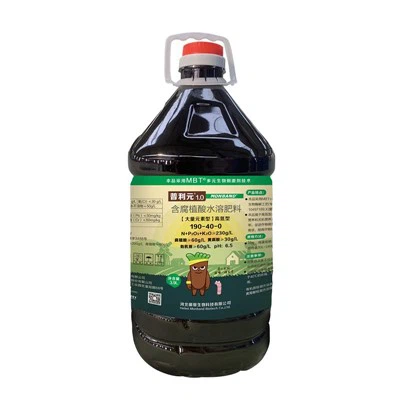
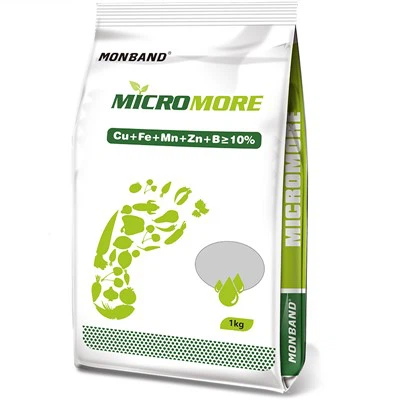
Now, if you're a farmer or someone involved in agriculture, you might be interested in our range of fertilizers. We offer high - quality Micronutrients Water Soluble Fertilizers that include water soluble iron fertilizer. Our Water Soluble Micronutrient Fertilizer is formulated to provide plants with all the essential micronutrients they need, including iron, zinc, and others. And if you're specifically looking for a zinc boost, our Water Soluble Zinc Fertilizer is a great option.
Using our water soluble iron fertilizer can lead to healthier crops with a higher nutritional value. This means better yields, better - quality produce, and ultimately, more profit for you. Whether you're growing small - scale vegetables in your backyard or running a large commercial farm, our fertilizers can make a big difference.
If you're interested in learning more about our products or want to start a purchase negotiation, don't hesitate to reach out. We're here to help you get the best results for your crops.
References:
- Smith, J. (2018). Effects of Micronutrient Fertilization on Crop Nutritional Quality. Journal of Agricultural Science.
- Johnson, A. (2020). The Role of Iron in Plant Metabolism and Nutritional Value of Crops. Plant Nutrition Review.