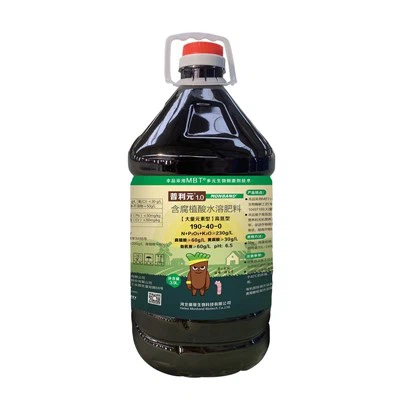
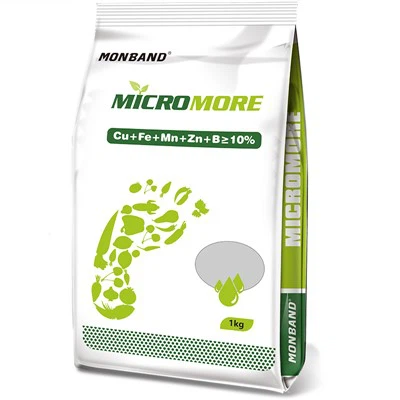
Hey there! As a supplier of micronutrient fertilizers, I've seen firsthand how crucial it is to get the balance right when it comes to irrigation frequency and the effectiveness of these fertilizers. In this blog, I'm gonna break down how the frequency of irrigation can impact the way micronutrient fertilizers work and why it matters for your plants.
Let's start by understanding what micronutrient fertilizers are. These are fertilizers that contain essential elements like iron, zinc, manganese, copper, boron, molybdenum, and chlorine, which are needed by plants in small quantities. They play a vital role in various plant functions, such as photosynthesis, enzyme activation, and hormone regulation. You can check out our Water Soluble Micronutrient Fertilizer for a great option that provides these essential elements in an easily accessible form.
Now, let's talk about irrigation. Irrigation is the process of applying water to the soil to help plants grow. The frequency of irrigation refers to how often you water your plants. This can vary depending on factors like the type of plant, the soil type, the climate, and the stage of plant growth.
So, how does the frequency of irrigation affect the effectiveness of micronutrient fertilizers? Well, it all comes down to how the fertilizers are absorbed by the plants. Micronutrients are typically absorbed by plants through their roots in the form of ions dissolved in water. When you irrigate your plants, you're essentially providing the water that helps transport these nutrients from the soil to the plant roots.
If you irrigate too frequently, you might end up leaching the micronutrients out of the soil. Leaching occurs when water moves through the soil too quickly, carrying the nutrients with it. This can happen especially in sandy soils, which have a low water-holding capacity. When the micronutrients are leached out of the soil, they're no longer available for the plants to absorb, and you're essentially wasting your fertilizer.
On the other hand, if you don't irrigate often enough, the soil can become too dry, and the micronutrients might not be able to dissolve in the water. This can make it difficult for the plants to absorb the nutrients, even if they're present in the soil. In addition, dry soil can also lead to the formation of hardpan, which can prevent the roots from growing and accessing the nutrients.
Let's take a closer look at how different irrigation frequencies can impact specific micronutrients.
Iron
Iron is an essential micronutrient for plants, as it's involved in photosynthesis, respiration, and nitrogen fixation. However, iron is also one of the most difficult micronutrients to manage, as it can easily become unavailable to plants in alkaline soils.


When it comes to irrigation frequency, over - watering can lead to iron deficiency in plants. This is because excessive water can create anaerobic conditions in the soil, which can cause the iron to be converted into an insoluble form. On the other hand, under - watering can also lead to iron deficiency, as the dry soil can prevent the iron from dissolving and being absorbed by the roots. Our Water Soluble Iron Fertilizer can be a great solution to ensure that your plants get enough iron, regardless of the irrigation frequency.
Zinc
Zinc is another important micronutrient that plays a role in enzyme activation, protein synthesis, and hormone regulation. Like iron, zinc can also be affected by irrigation frequency.
Over - watering can leach zinc out of the soil, making it unavailable to the plants. In addition, excessive water can also increase the pH of the soil, which can further reduce the availability of zinc. Under - watering, on the other hand, can lead to zinc deficiency due to the lack of water for nutrient uptake.
Manganese
Manganese is involved in photosynthesis, respiration, and nitrogen metabolism. Irrigation frequency can have a significant impact on the availability of manganese in the soil.
In waterlogged soils, manganese can be reduced to a soluble form, which can lead to manganese toxicity in plants. On the other hand, in dry soils, manganese can become insoluble and unavailable to the plants.
So, how can you find the right balance? Here are some tips:
- Know your soil type: Different soil types have different water - holding capacities. Sandy soils drain quickly and need more frequent irrigation, while clay soils hold water for longer and need less frequent irrigation.
- Understand your plants: Different plants have different water requirements. Some plants, like succulents, can tolerate dry conditions, while others, like lettuce, need more water.
- Monitor the soil moisture: Use a soil moisture meter or simply stick your finger into the soil to check the moisture level. Water your plants when the soil is dry to the touch, but not bone - dry.
- Use a good quality micronutrient fertilizer: Our Water Soluble Micronutrients For Plants are designed to be easily absorbed by plants, regardless of the irrigation frequency.
In conclusion, the frequency of irrigation has a significant impact on the effectiveness of micronutrient fertilizers. By finding the right balance between irrigation frequency and fertilizer application, you can ensure that your plants get the nutrients they need to grow healthy and strong.
If you're interested in learning more about our micronutrient fertilizers or have any questions about how to optimize your irrigation and fertilization practices, don't hesitate to reach out. We're here to help you get the best results for your plants. Whether you're a small - scale gardener or a large - scale farmer, we have the products and expertise to meet your needs. Let's start a conversation and see how we can work together to improve your crop yields and plant health.
References
- Marschner, H. (1995). Mineral Nutrition of Higher Plants. Academic Press.
- Mengel, K., & Kirkby, E. A. (2001). Principles of Plant Nutrition. Kluwer Academic Publishers.