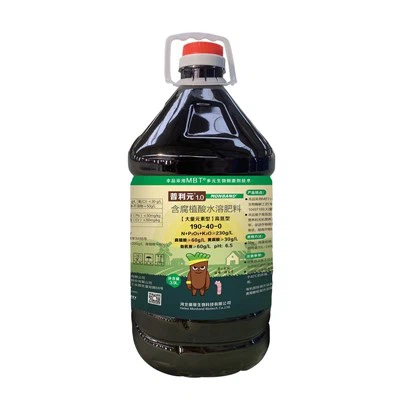
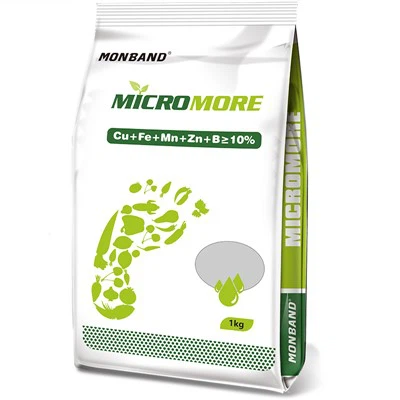
When it comes to fertilizing crops, gardeners and farmers have two main options: organic soluble fertilizers and synthetic fertilizers. As a supplier of organic soluble fertilizers, I've witnessed firsthand the growing interest in organic alternatives and the questions that often arise about how they stack up against their synthetic counterparts. In this blog post, I'll delve into the key differences between organic soluble fertilizers and synthetic fertilizers, exploring their respective advantages and disadvantages to help you make an informed decision for your gardening or farming needs.
Composition and Nutrient Release
One of the fundamental differences between organic soluble fertilizers and synthetic fertilizers lies in their composition. Synthetic fertilizers are typically manufactured through chemical processes and are formulated to provide specific nutrients in precise ratios. They often contain high concentrations of nitrogen (N), phosphorus (P), and potassium (K), the primary macronutrients essential for plant growth. These nutrients are readily available in a soluble form, allowing plants to absorb them quickly.
On the other hand, organic soluble fertilizers are derived from natural sources such as plant materials, animal manure, and compost. They contain a complex mixture of organic compounds that break down slowly over time, releasing nutrients gradually into the soil. This slow-release mechanism provides a steady supply of nutrients to plants, reducing the risk of nutrient leaching and ensuring long-term soil fertility.
The slow nutrient release of organic soluble fertilizers is particularly beneficial for maintaining a healthy soil ecosystem. As organic matter decomposes, it improves soil structure, enhances water retention, and promotes the growth of beneficial microorganisms. These microorganisms play a crucial role in nutrient cycling, making nutrients more available to plants and improving overall soil health.
Environmental Impact
Another important consideration when comparing organic soluble fertilizers and synthetic fertilizers is their environmental impact. Synthetic fertilizers are often associated with several environmental issues, including water pollution, soil degradation, and greenhouse gas emissions.


The high solubility of synthetic fertilizers means that they can easily leach into groundwater or surface water, causing eutrophication, a process in which excessive nutrients stimulate the growth of algae and other aquatic plants. This can lead to oxygen depletion in the water, harming fish and other aquatic organisms. Additionally, the production of synthetic fertilizers requires large amounts of energy and often involves the use of non-renewable resources, contributing to greenhouse gas emissions and climate change.
In contrast, organic soluble fertilizers are generally considered more environmentally friendly. They are made from renewable resources and have a lower carbon footprint compared to synthetic fertilizers. The slow-release nature of organic fertilizers reduces the risk of nutrient leaching, minimizing water pollution and protecting aquatic ecosystems. Moreover, the organic matter in these fertilizers helps to sequester carbon in the soil, mitigating climate change by reducing greenhouse gas emissions.
Plant Health and Nutrition
The choice between organic soluble fertilizers and synthetic fertilizers can also have a significant impact on plant health and nutrition. While synthetic fertilizers can provide a quick boost of nutrients to plants, they may not offer the same level of nutritional value as organic fertilizers.
Organic soluble fertilizers contain a wide range of micronutrients, vitamins, and beneficial substances that are essential for plant growth and development. These include trace elements such as iron, zinc, and manganese, as well as hormones and enzymes that promote root growth, improve disease resistance, and enhance overall plant vigor. The complex mixture of nutrients in organic fertilizers helps to support a balanced diet for plants, ensuring optimal health and productivity.
In addition to providing essential nutrients, organic fertilizers can also improve the flavor and nutritional quality of crops. Studies have shown that fruits and vegetables grown with organic fertilizers tend to have higher levels of antioxidants, vitamins, and minerals compared to those grown with synthetic fertilizers. This is because organic farming practices focus on building healthy soil, which in turn supports the growth of nutrient-dense plants.
Cost and Availability
Cost and availability are practical considerations when choosing between organic soluble fertilizers and synthetic fertilizers. Synthetic fertilizers are generally more affordable and widely available than organic fertilizers. They are mass-produced and can be found in most garden centers and agricultural supply stores.
However, the long-term cost of using synthetic fertilizers may be higher due to the need for frequent applications and the potential environmental damage they can cause. Organic soluble fertilizers, while typically more expensive upfront, can provide long-term savings by improving soil fertility and reducing the need for additional inputs such as pesticides and herbicides.
The availability of organic soluble fertilizers may vary depending on your location. While they are becoming increasingly popular, they may not be as readily available as synthetic fertilizers in some areas. However, many online retailers offer a wide range of organic fertilizers, making it easier to access these products. You can explore options like Water Soluble Fertilizer Bunnings and All Purpose Water Soluble Fertilizer to find the right organic soluble fertilizer for your needs.
Application and Ease of Use
Both organic soluble fertilizers and synthetic fertilizers are relatively easy to apply, but there are some differences in their application methods. Synthetic fertilizers are typically available in granular or liquid form and can be applied directly to the soil or foliar sprayed onto the leaves of plants. They are often formulated to be highly soluble, allowing for quick and efficient nutrient uptake by plants.
Organic soluble fertilizers can also be applied in granular or liquid form, but they may require some additional preparation. For example, some organic fertilizers need to be composted or fermented before use to ensure proper decomposition and nutrient availability. However, many organic soluble fertilizers are now available in ready-to-use liquid formulations, making them just as convenient to apply as synthetic fertilizers.
When applying organic soluble fertilizers, it's important to follow the manufacturer's instructions carefully to ensure proper dosage and application timing. Overapplication of organic fertilizers can lead to nutrient imbalances and potential harm to plants, so it's essential to use them in moderation.
Conclusion
In conclusion, the choice between organic soluble fertilizers and synthetic fertilizers depends on a variety of factors, including your gardening or farming goals, environmental concerns, and budget. While synthetic fertilizers offer a quick and convenient way to provide nutrients to plants, they come with several environmental drawbacks and may not support long-term soil health.
Organic soluble fertilizers, on the other hand, provide a more sustainable and environmentally friendly alternative. They improve soil fertility, support a healthy soil ecosystem, and enhance the nutritional quality of crops. While they may be more expensive and require some additional preparation, the long-term benefits of using organic fertilizers make them a worthwhile investment for many gardeners and farmers.
If you're interested in learning more about our organic soluble fertilizers or would like to discuss your specific fertilization needs, I encourage you to [contact us](insert contact information here). Our team of experts is dedicated to providing high-quality organic fertilizers and personalized solutions to help you achieve your gardening and farming goals.
References
- Brady, N. C., & Weil, R. R. (2008). The nature and properties of soils. Pearson Prentice Hall.
- Reganold, J. P., & Wachter, J. M. (2016). Organic agriculture in the twenty-first century. Nature Plants, 2(10), 16154.
- Tisdall, J. M., & Oades, J. M. (1982). Organic matter and water-stable aggregates in soils. Journal of Soil Science, 33(2), 141-163.