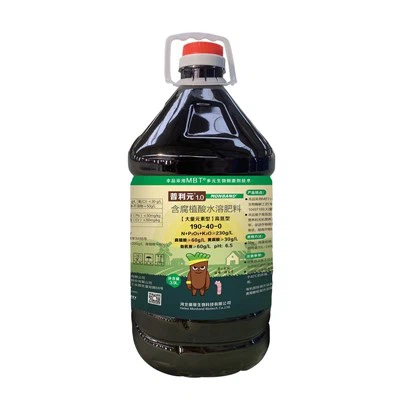
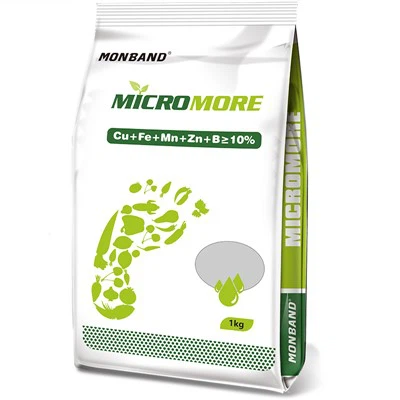
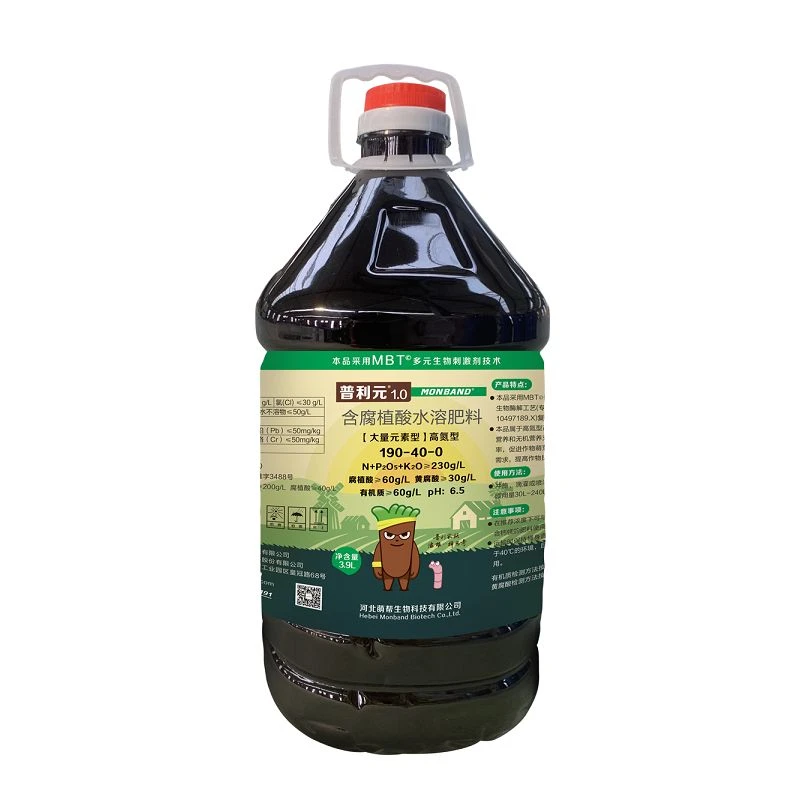
Hey there, fellow plant enthusiasts! I'm a supplier of fertilizer with humic acid, and I'm super stoked to share with you how this amazing stuff can influence the growth rate of plants.
First off, let's talk about what humic acid is. Humic acid is a natural organic substance that's formed from the decomposition of plant and animal matter over a long period. It's a key component in healthy soil, and it plays a crucial role in plant growth. When we add humic acid to fertilizers, we're essentially giving plants a turbo - boost of nutrients and benefits.
One of the main ways humic acid in fertilizer affects plant growth rate is by improving soil structure. In many soils, especially those that are over - farmed or have poor quality, the soil particles can be compacted. This makes it difficult for plant roots to penetrate, access water, and nutrients. Humic acid acts like a soil conditioner. It helps to break up compacted soil, creating larger pore spaces. These pore spaces allow for better air circulation and water infiltration. When roots can easily grow through the soil, they can absorb more water and nutrients, which directly leads to faster plant growth. For example, in a garden where the soil was previously hard and clay - like, after applying a Humic Acid Liquid Fertilizer, you'll notice that the plants start to grow more vigorously as their roots can spread out more freely.
Another important aspect is nutrient availability. Humic acid has a unique ability to chelate or bind with essential nutrients like nitrogen, phosphorus, and potassium (NPK). In the soil, these nutrients can sometimes become locked up in forms that plants can't easily absorb. But when humic acid is present, it forms complexes with these nutrients, making them more soluble and available to plants. This means that plants can take up more of these vital nutrients, which are the building blocks for growth. For instance, nitrogen is essential for leaf and stem growth. With humic acid in the fertilizer, the nitrogen is more readily available to the plant, resulting in lusher, greener foliage and faster vertical growth.
Humic acid also enhances the microbial activity in the soil. The soil is teeming with billions of beneficial microorganisms like bacteria and fungi. These microorganisms play a crucial role in breaking down organic matter, releasing nutrients, and protecting plants from diseases. Humic acid provides a food source and a favorable environment for these microbes. When the microbial population in the soil is thriving, they help to break down organic matter more efficiently, releasing even more nutrients for the plants. This symbiotic relationship between plants, microbes, and humic acid creates a healthy soil ecosystem that promotes rapid plant growth. For example, mycorrhizal fungi, which form a symbiotic relationship with plant roots, are more likely to colonize roots in soil rich in humic acid. These fungi help the plant absorb more water and nutrients, especially phosphorus, leading to better overall plant health and growth.
Now, let's look at some real - world examples of how our Humic Organic Fertilizer has made a difference. I've had customers who grow tomatoes. Before using our humic - acid - enriched fertilizer, their tomato plants were growing at an average pace, and the yield was just okay. But after switching to our product, they noticed a significant change. The plants grew taller and bushier much faster. The tomatoes started to form earlier, and the yield increased by almost 30%. The fruits were also larger and had better flavor. This is because the humic acid in the fertilizer was working its magic on the soil, making nutrients more available and improving the overall health of the plants.
In the case of wheat farmers, they've reported that using our Humic Liquid Fertilizer led to earlier germination and faster growth of the wheat seedlings. The plants were more resistant to drought and diseases, which is crucial for a successful harvest. The humic acid helped the roots to develop deeper and stronger, allowing the plants to access water and nutrients even during dry spells. As a result, the wheat crops matured earlier, and the quality of the grain was improved.
When it comes to different types of plants, humic - acid - based fertilizers work well across the board. Whether you're growing flowers, vegetables, fruits, or even ornamental plants, the benefits are similar. For flower gardens, the plants will produce more blooms and have a longer flowering period. The flowers will be more vibrant and have better fragrance. Vegetable gardens will yield more produce, and the vegetables will be more nutritious. Fruit trees will bear more and better - quality fruits.
However, it's important to use the right amount of humic - acid fertilizer. Too much of a good thing can sometimes have negative effects. Over - application can lead to an imbalance in the soil's nutrient levels or an over - stimulation of microbial activity, which can disrupt the soil ecosystem. So, it's always a good idea to follow the recommended application rates on the product label.
If you're a gardener, a farmer, or just someone who loves plants, I highly recommend giving our fertilizer with humic acid a try. It's a natural and effective way to boost the growth rate of your plants and improve their overall health. Whether you're looking to increase your crop yield, have a more beautiful flower garden, or just want your plants to thrive, our humic - acid fertilizers are the way to go.
If you're interested in learning more about our products or want to start a purchase negotiation, don't hesitate to reach out. We're here to help you make the most of your plants and achieve the best results possible.

References
- Brady, N. C., & Weil, R. R. (2008). The nature and properties of soils. Pearson Prentice Hall.
- Stevenson, F. J. (1994). Humus chemistry: genesis, composition, reactions. Wiley.