As a seasoned supplier of humic fulvic acid fertilizer, I've witnessed firsthand the transformative impact this remarkable product can have on crop health and appearance. One of the most intriguing aspects of using humic fulvic acid fertilizer is its influence on the color of crops. In this blog post, I'll delve into the science behind how this fertilizer affects crop color and share some real - world examples to illustrate its benefits.
The Science of Humic Fulvic Acid Fertilizer
Humic and fulvic acids are natural organic compounds derived from the decomposition of plant and animal matter. They are rich in carbon and play a crucial role in soil fertility. When applied to the soil, humic fulvic acid fertilizer can improve soil structure, enhance nutrient availability, and stimulate root growth.
One of the key ways humic fulvic acid affects crop color is through its ability to enhance nutrient uptake. Nutrients such as nitrogen, phosphorus, potassium, and micronutrients like iron, magnesium, and zinc are essential for plant growth and development. A deficiency in any of these nutrients can lead to discoloration in crops. For example, nitrogen deficiency often results in yellowing of leaves, while iron deficiency can cause chlorosis, a condition where leaves turn pale green or yellow between the veins.
Humic and fulvic acids act as chelating agents, which means they can bind to nutrients in the soil and make them more available for plant roots to absorb. This ensures that crops receive an adequate supply of essential nutrients, which is vital for maintaining healthy leaf color and overall plant vigor.
Impact on Chlorophyll Production
Chlorophyll is the green pigment in plants that is responsible for photosynthesis, the process by which plants convert sunlight into energy. The production of chlorophyll is highly dependent on the availability of nutrients, especially nitrogen and magnesium. Humic fulvic acid fertilizer can increase the availability of these nutrients in the soil, thereby promoting chlorophyll synthesis.
When crops have an abundant supply of chlorophyll, they appear greener and healthier. This not only enhances the aesthetic appeal of the plants but also improves their photosynthetic efficiency. As a result, plants can produce more energy, which is used for growth, flowering, and fruit production.
In addition to promoting chlorophyll production, humic fulvic acid can also protect chlorophyll from degradation. Environmental stressors such as high temperatures, drought, and disease can cause the breakdown of chlorophyll, leading to leaf yellowing. The antioxidant properties of humic and fulvic acids can help to protect chlorophyll molecules from oxidative damage, ensuring that leaves remain green and functional for longer periods.
Influence on Fruit Color
The color of fruits is determined by a variety of pigments, including carotenoids, anthocyanins, and flavonoids. These pigments not only give fruits their characteristic colors but also have antioxidant and health - promoting properties.
Humic fulvic acid fertilizer can have a significant impact on fruit color development. By improving nutrient uptake and overall plant health, it can enhance the synthesis of these pigments. For example, in grapevines, the application of humic fulvic acid fertilizer has been shown to increase the concentration of anthocyanins, which are responsible for the red, purple, and blue colors in grapes. This results in more vibrant and visually appealing fruits.
Moreover, humic fulvic acid can also improve the ripening process of fruits. It can regulate the production of ethylene, a plant hormone that plays a key role in fruit ripening. By promoting uniform ripening, humic fulvic acid ensures that fruits develop their full color potential and have a more consistent appearance.
Real - World Examples
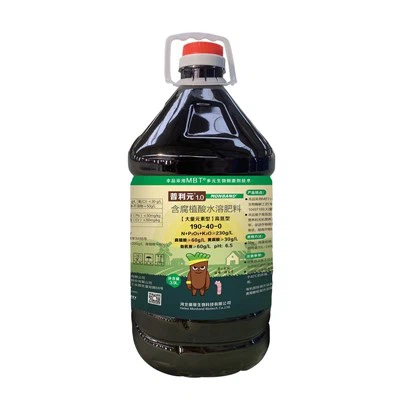
I've had the opportunity to work with many farmers who have used our Bio Humic Fertilizer and Humic Acid Liquid Fertilizer on their farms. One farmer who grows tomatoes reported a significant improvement in the color of his tomatoes after using our humic fulvic acid fertilizer. The tomatoes were more uniformly red, with a deeper and richer color compared to those grown without the fertilizer. This not only made the tomatoes more attractive to consumers but also increased their market value.
Another farmer growing ornamental plants noticed that the leaves of his plants were greener and more vibrant after applying Fertilizer with Humic Acid. The plants had a more lush and healthy appearance, which made them more marketable in the nursery industry.
Conclusion
In conclusion, humic fulvic acid fertilizer can have a profound impact on the color of crops. By improving nutrient uptake, promoting chlorophyll production, and enhancing pigment synthesis in fruits, it helps to maintain healthy leaf color and develop vibrant and appealing fruits. This not only benefits the aesthetic value of the crops but also improves their marketability and overall quality.
If you're a farmer or a gardener looking to enhance the color and quality of your crops, I encourage you to consider using our humic fulvic acid fertilizers. We offer a range of high - quality products that are designed to meet the specific needs of different crops and soil conditions. Contact us to discuss your requirements and start a procurement negotiation. We're committed to providing you with the best solutions for your agricultural needs.


References
- Chen, Y., & Aviad, T. (1990). The role of humic substances in agriculture. In Humic substances in soil and crop sciences: Selected readings (pp. 1 - 32). American Society of Agronomy.
- Nardi, S., Pizzeghello, D., & Muscolo, A. (2002). Humic substances as biostimulants of plant growth. In Biostimulants in plant science: Proceedings of the 1st International Symposium on Biostimulants in Plant Science (pp. 1 - 14).
- Zhang, R., & Schmidt, S. (1997). Effects of humic acid on nutrient uptake and plant growth. Journal of Plant Nutrition, 20(10), 1339 - 1355.