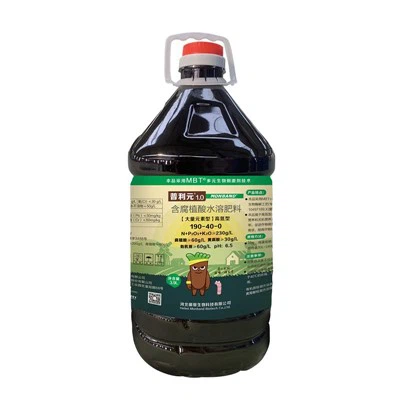
Hey there, fellow gardening enthusiasts and farmers! I'm a supplier of Humic Acid Organic Fertilizer, and I'm super excited to chat with you about how this amazing product can impact the growth of leguminous plants.
First off, let's quickly understand what leguminous plants are. Legumes, like beans, peas, lentils, and clover, are pretty special in the plant world. They have a unique ability to form a symbiotic relationship with nitrogen-fixing bacteria in their root nodules. These bacteria can take nitrogen from the air and convert it into a form that the plant can use. This is a big deal because nitrogen is a crucial nutrient for plant growth, helping with things like leaf development and overall plant vigor.
Now, let's dig into how Humic Acid Organic Fertilizer comes into play. Humic acid is a natural substance that forms from the decomposition of organic matter over a long time. It's rich in carbon and has a whole bunch of benefits for plants. When you use Humic Acid Organic Fertilizer, you're giving your leguminous plants a real boost.
One of the main ways it helps is by improving soil structure. The humic acid in the fertilizer acts like a glue that binds soil particles together. This creates larger pores in the soil, which means better aeration and water infiltration. For leguminous plants, this is fantastic because their roots need oxygen to grow properly. With better aeration, the roots can spread out more easily and access nutrients and water more efficiently. And let's not forget about water infiltration. Good water infiltration means that the soil can hold more water, which is especially important during dry spells. Legumes can then draw on this stored water to keep growing.
Another great thing about Fertilizer with Humic Acid is that it enhances nutrient availability. Humic acid has a high cation exchange capacity (CEC). What does that mean? Well, it means that it can hold onto positively charged nutrients like potassium, calcium, and magnesium in the soil. When leguminous plants need these nutrients, the humic acid releases them in a slow and steady manner. This is much better than traditional fertilizers that can sometimes release nutrients too quickly, leading to nutrient leaching. With a slow release of nutrients, legumes can take up what they need over time, which promotes healthy and consistent growth.
In addition to improving soil structure and nutrient availability, humic acid also stimulates root growth. It contains growth-promoting substances that encourage the development of a strong and extensive root system. For leguminous plants, a well-developed root system is essential for several reasons. First, it helps the plant anchor itself firmly in the soil, which is important, especially during strong winds or heavy rains. Second, a larger root system means more surface area for the plant to absorb nutrients and water. And third, it provides a better environment for the nitrogen-fixing bacteria to thrive. The bacteria need a stable and nutrient-rich root environment to carry out their nitrogen-fixing process effectively.
Now, let's talk about how Humic Acid Organic Fertilizer affects the nitrogen-fixing ability of leguminous plants. As I mentioned earlier, legumes have a symbiotic relationship with nitrogen-fixing bacteria. When you use Humic Organic Fertilizer, it can enhance this relationship in a few ways. The improved soil structure and nutrient availability create a more favorable environment for the bacteria to colonize the root nodules. The humic acid also provides some of the energy and nutrients that the bacteria need to survive and function. This leads to an increase in the number and activity of the nitrogen-fixing bacteria, which in turn means more nitrogen is being fixed for the plant. More nitrogen means better growth, more lush foliage, and higher yields.
But that's not all. Humic acid also has some beneficial effects on the overall health of leguminous plants. It can help protect the plants from diseases and pests. The humic acid can stimulate the plant's immune system, making it more resistant to pathogens. It also has some antimicrobial properties that can directly inhibit the growth of harmful bacteria and fungi in the soil. This means that your legumes are less likely to get sick, which is a huge advantage for any gardener or farmer.
I've seen the results of using Humic Acid Organic Fertilizer on leguminous plants firsthand. I've had customers who were struggling with poor soil quality and low yields. After using our fertilizer, they noticed a significant improvement in the growth and health of their legumes. The plants were taller, had more leaves, and produced a higher quantity and quality of pods. It's really rewarding to see the positive impact that our product can have.


If you're growing leguminous plants and want to take your yields to the next level, I highly recommend giving Humic Acid Organic Fertilizer a try. It's a natural and sustainable way to improve soil health and plant growth. Whether you're a small-scale gardener or a large commercial farmer, this fertilizer can make a big difference.
If you're interested in learning more or want to discuss your specific needs, feel free to reach out. We're always happy to help you find the right fertilizer solution for your leguminous plants. Let's work together to grow healthy and productive legumes!
References:
- Brady, N. C., & Weil, R. R. (2008). The nature and properties of soils. Pearson Prentice Hall.
- Stevenson, F. J. (1994). Humus chemistry: genesis, composition, reactions. Wiley.
- Vessey, J. K. (2003). Plant growth promoting rhizobacteria as biofertilizers. Plant and Soil, 255(1), 571 - 586.