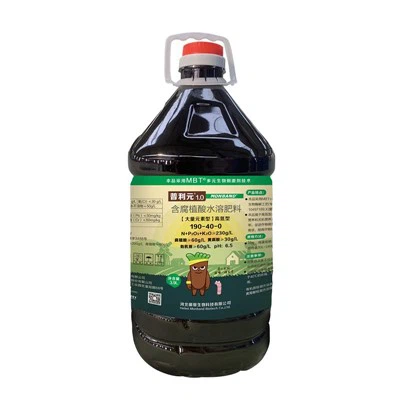
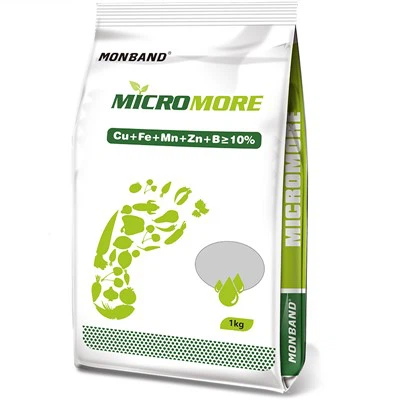
Hey there! I'm a supplier of Humic Based Biostimulants, and I'm super excited to share with you how these amazing products work.
First off, let's talk about what humic based biostimulants are. They're basically natural substances derived from organic matter like decomposed plants and animals. These substances are rich in humic acids, fulvic acids, and other beneficial compounds that can do wonders for plants.
One of the key ways humic based biostimulants work is by improving soil structure. When you add them to the soil, they help to bind soil particles together, creating larger aggregates. This improves soil porosity, which means better air and water movement in the soil. As a result, plant roots can penetrate the soil more easily, and they have better access to oxygen and nutrients. It's like giving your plants a cozy and well - ventilated home to grow in!
Another important aspect is nutrient availability. Humic acids in these biostimulants have a high cation exchange capacity (CEC). What does that mean? Well, it means they can attract and hold onto positively charged ions like potassium, calcium, and magnesium. This prevents these nutrients from being leached out of the soil by heavy rain or excessive irrigation. At the same time, when plants need these nutrients, the humic acids can release them in a slow and steady manner. It's like having a built - in nutrient bank for your plants!
Humic based biostimulants also play a crucial role in stimulating root growth. They contain growth - promoting substances that encourage the development of a more extensive and robust root system. A healthy root system can absorb more water and nutrients from the soil, which in turn leads to stronger and more productive plants. You'll notice that plants treated with humic based biostimulants often have longer, thicker roots and a greater root mass.
In addition to root growth, these biostimulants can enhance plant metabolism. They can increase the activity of enzymes in plants, which are responsible for various biochemical reactions. This leads to better photosynthesis, the process by which plants convert sunlight into energy. With improved photosynthesis, plants can produce more sugars and other organic compounds, which are essential for growth, development, and defense against diseases and pests.
Now, let's talk about how humic based biostimulants interact with microorganisms in the soil. The soil is teeming with billions of microorganisms, such as bacteria and fungi, and these microorganisms play a vital role in plant health. Humic based biostimulants can act as a food source for these beneficial microorganisms. They provide carbon and other nutrients that the microorganisms need to survive and thrive. In return, the microorganisms help to break down organic matter in the soil, releasing more nutrients for plants. They also produce substances like antibiotics and hormones that can protect plants from diseases and promote growth.


Compared to Microbial Biostimulants, humic based biostimulants have some unique advantages. While microbial biostimulants rely on living microorganisms, humic based biostimulants are more stable and less affected by environmental conditions. They can work in a wider range of soil types and climates. However, both types of biostimulants can complement each other. For example, you can use humic based biostimulants to create a favorable environment for the microorganisms in microbial biostimulants to grow and function.
So, how do you use humic based biostimulants? Well, they can be applied in several ways. You can mix them with your regular fertilizers and apply them to the soil during planting or as a top - dressing. You can also use them as a foliar spray, which means spraying them directly on the leaves of the plants. Foliar application can be a quick way to provide nutrients and growth - promoting substances to the plants, especially during critical growth stages.
If you're growing crops, using humic based biostimulants can lead to some significant benefits. You'll likely see an increase in crop yield, as the plants are healthier and more productive. The quality of the crops can also improve. For example, fruits and vegetables may have better flavor, color, and shelf - life. In addition, using these biostimulants can reduce the need for chemical fertilizers and pesticides, which is not only better for the environment but also for your wallet.
In the horticultural industry, humic based biostimulants are also widely used. Whether you're growing ornamental plants, flowers, or herbs, these products can help you achieve better results. They can make your plants more resistant to stress factors like drought, heat, and cold. This means you'll have fewer losses due to adverse weather conditions.
If you're into organic farming, humic based biostimulants are a great option. They're natural and organic, so they fit perfectly into the principles of organic agriculture. They can help you improve soil fertility and plant health without using synthetic chemicals.
Now, I know you might be wondering where to get high - quality humic based biostimulants. Well, that's where I come in! As a supplier, I offer a wide range of Humic Based Biostimulants that are carefully formulated to meet the needs of different plants and growing conditions. Our products are tested and proven to be effective, and we're committed to providing excellent customer service.
If you're interested in learning more about our humic based biostimulants or want to discuss your specific needs, I'd love to hear from you. Whether you're a small - scale gardener or a large - scale farmer, we can work together to find the best solution for your plants. Contact us today to start a conversation about how our products can transform your growing experience.
In conclusion, humic based biostimulants are a powerful tool for improving plant health, soil fertility, and crop productivity. They work in multiple ways, from enhancing soil structure to stimulating root growth and plant metabolism. By using these products, you can grow healthier, more productive plants while being more environmentally friendly. So, don't hesitate to reach out and see how we can help you achieve your growing goals.
References
- Smith, J. (2020). The Role of Humic Substances in Agriculture. Journal of Sustainable Agriculture, 25(3), 123 - 135.
- Johnson, A. (2019). Impact of Humic Based Biostimulants on Plant Growth and Development. Plant Science Today, 12(2), 234 - 245.
- Brown, C. (2021). Interactions between Humic Substances and Soil Microorganisms. Soil Biology and Biochemistry, 30(4), 456 - 467.