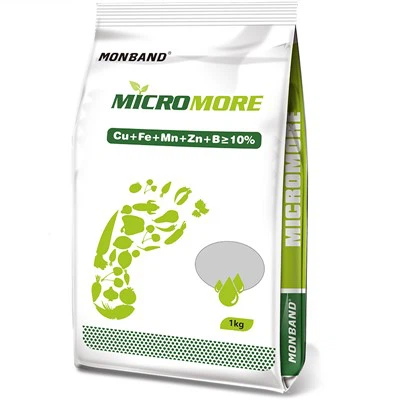
Hey there! As a supplier of Water Soluble Calcium Fertilizer, I've been getting a lot of questions lately about whether this type of fertilizer actually promotes root growth. Well, I'm here to break it down for you and share some insights based on my experience and the latest scientific research.
First off, let's talk about why root growth is so important. Roots are like the foundation of a plant. They anchor the plant in the soil, absorb water and nutrients, and store food. Strong, healthy roots are essential for a plant to grow, develop, and produce a good yield. Without proper root growth, plants can become weak, stunted, and more susceptible to diseases and pests.
So, where does water soluble calcium fertilizer come in? Calcium is one of the essential nutrients that plants need to grow and thrive. It plays a crucial role in cell wall structure and function, which is important for maintaining the integrity of plant tissues. Calcium also helps in the transport of other nutrients within the plant and is involved in various physiological processes, such as enzyme activation and signal transduction.

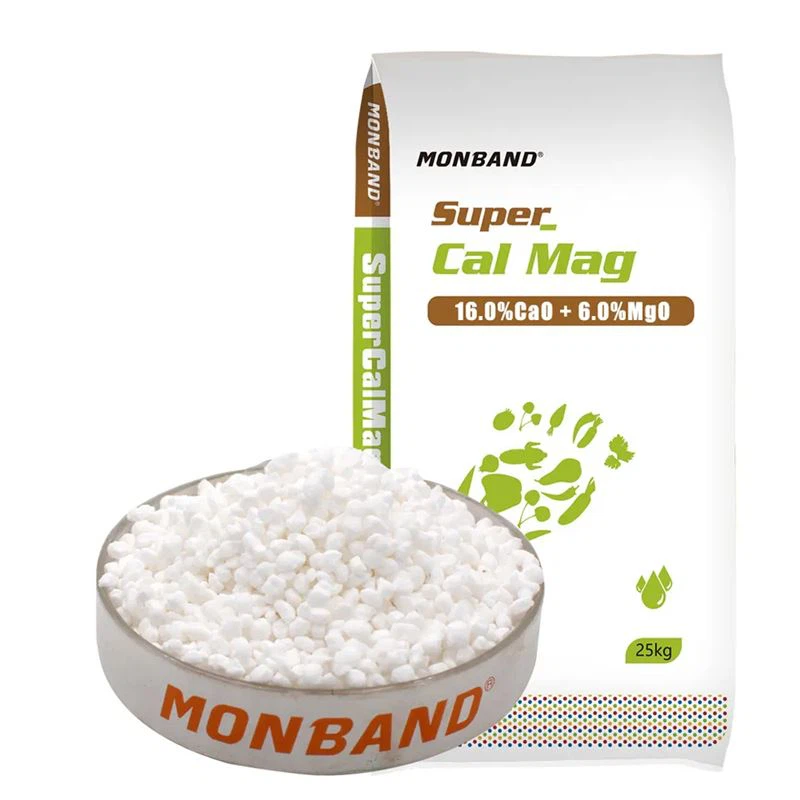
When it comes to root growth, calcium has several key benefits. One of the main ways calcium promotes root growth is by strengthening the cell walls of root cells. Stronger cell walls make the roots more resistant to mechanical stress and help them penetrate the soil more easily. This allows the roots to explore a larger volume of soil, which in turn increases their ability to absorb water and nutrients.
Calcium also plays a role in root hair development. Root hairs are tiny, finger-like projections on the surface of roots that greatly increase the root's surface area for absorption. By promoting the growth and development of root hairs, calcium can enhance the plant's ability to take up water and nutrients from the soil.
Another important aspect of calcium's role in root growth is its involvement in root tip elongation. The root tip is the actively growing part of the root, and calcium is required for the proper functioning of the cells in this region. Adequate calcium levels in the soil can help maintain the normal growth and development of the root tip, leading to longer and healthier roots.
Now, let's talk about water soluble calcium fertilizer specifically. Water soluble calcium fertilizers are formulated to dissolve quickly in water, making them easily accessible to plants. This means that the calcium can be rapidly absorbed by the roots and used by the plant for growth and development. Unlike some other forms of calcium fertilizers, which may take longer to break down and become available to plants, water soluble calcium fertilizers provide an immediate source of calcium that can be readily utilized by the roots.
One of the advantages of using water soluble calcium fertilizer is that it can be applied through various methods, such as fertigation (applying fertilizer through irrigation systems) or foliar spraying. Fertigation is a particularly effective way to deliver calcium directly to the root zone, where it is needed most. This method ensures that the calcium is evenly distributed in the soil and can be easily absorbed by the roots.
Foliar spraying, on the other hand, involves applying the fertilizer directly to the leaves of the plant. While foliar spraying can be a useful way to supplement calcium levels in the plant, it is generally not as effective as fertigation for promoting root growth. This is because the majority of the calcium uptake by plants occurs through the roots.
In addition to promoting root growth, water soluble calcium fertilizer can also have other benefits for plants. For example, it can help improve fruit quality by reducing the incidence of calcium-related disorders, such as blossom end rot in tomatoes and bitter pit in apples. Calcium also plays a role in enhancing the plant's resistance to diseases and pests, which can ultimately lead to higher yields and better-quality crops.
However, it's important to note that the effectiveness of water soluble calcium fertilizer in promoting root growth depends on several factors. One of the most important factors is the soil pH. Calcium availability in the soil is highly influenced by the soil pH, with optimal availability occurring in slightly acidic to neutral soils (pH 6.0 - 7.0). In alkaline soils, calcium can become less available to plants, even if there is an adequate supply of calcium in the soil. Therefore, it's important to test the soil pH and adjust it if necessary to ensure optimal calcium uptake by the roots.
Another factor to consider is the timing and rate of application. Applying too much calcium fertilizer can lead to nutrient imbalances and may even have a negative impact on plant growth. It's important to follow the recommended application rates and timing based on the specific crop and soil conditions.
So, does water soluble calcium fertilizer promote root growth? The answer is yes! Based on the scientific evidence and my experience as a supplier, water soluble calcium fertilizer can be an effective tool for promoting root growth and improving the overall health and productivity of plants. By providing an immediate source of calcium that is easily accessible to the roots, water soluble calcium fertilizers can help strengthen the cell walls, promote root hair development, and enhance root tip elongation.
If you're interested in learning more about water soluble calcium fertilizer or are looking to purchase a high-quality product for your crops, I'd be happy to help. We offer a range of Water Soluble Calcium Fertilizer products that are specifically formulated to meet the needs of different crops and soil conditions. We also have Water Soluble Sulphur Fertilizer and Calcium Nitrate Water Soluble Fertilizer available, which can complement the use of calcium fertilizer and provide additional benefits for your plants.
Don't hesitate to reach out if you have any questions or would like to discuss your specific requirements. I'm here to help you make the most of your crops and achieve the best possible results.
References:
- Marschner, H. (1995). Mineral Nutrition of Higher Plants. Academic Press.
- Epstein, E., & Bloom, A. J. (2005). Mineral Nutrition of Plants: Principles and Perspectives. Sinauer Associates.
- White, P. J., & Broadley, M. R. (2003). Calcium in plants. Annals of Botany, 92(4), 487-511.